
导致骨骼肌疾病的 TTN 单等位基因变异的病理机制。
Pathomechanisms of Monoallelic variants in TTN causing skeletal muscle disease.
机构信息
Department of Cellular and Molecular Medicine, University of Arizona, 1656 E. Mabel St., Tucson, AZ 85724, United States.
Department of Neurology, The Ohio State University Wexner Medical Center, 395 W. 12th Ave, Columbus, OH 43210, United States.
出版信息
Hum Mol Genet. 2024 Nov 20;33(23):2003-2023. doi: 10.1093/hmg/ddae136.
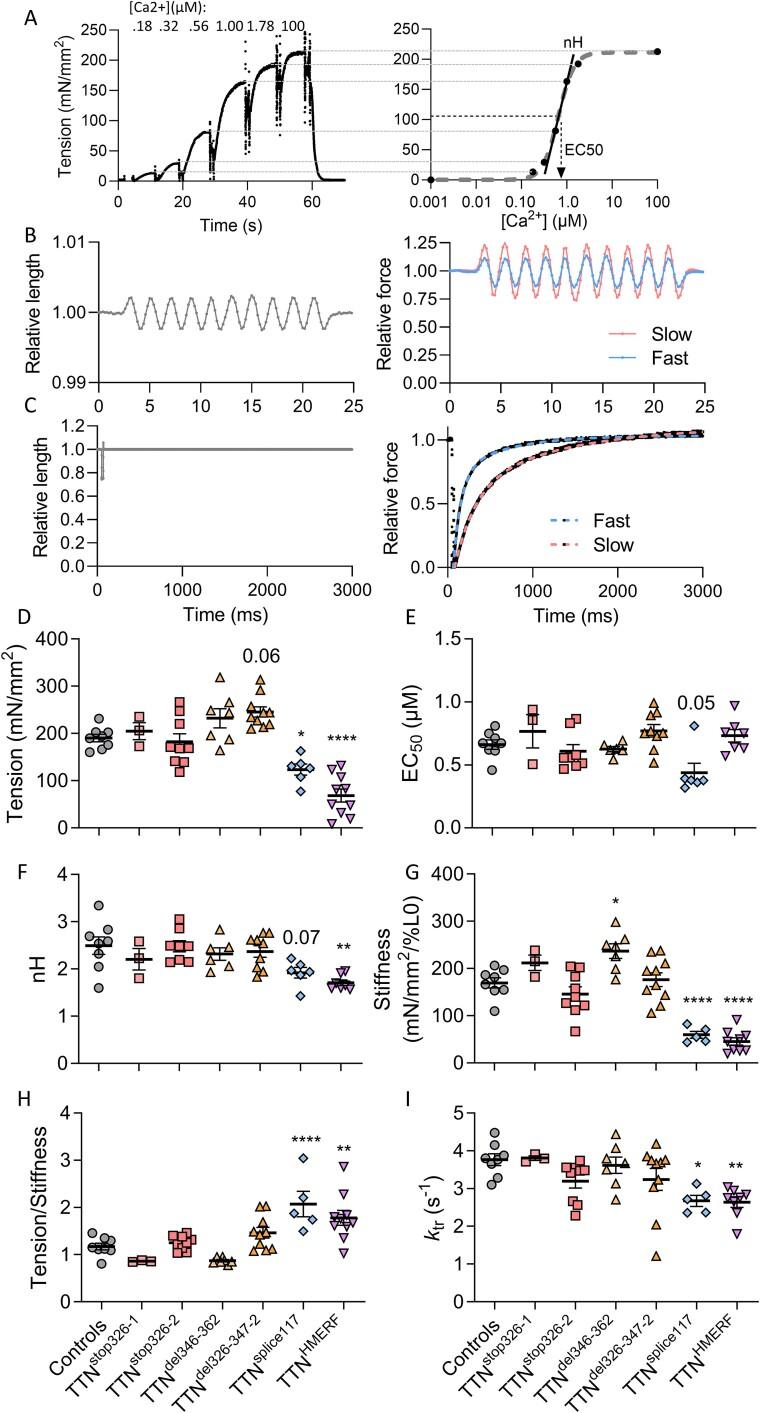
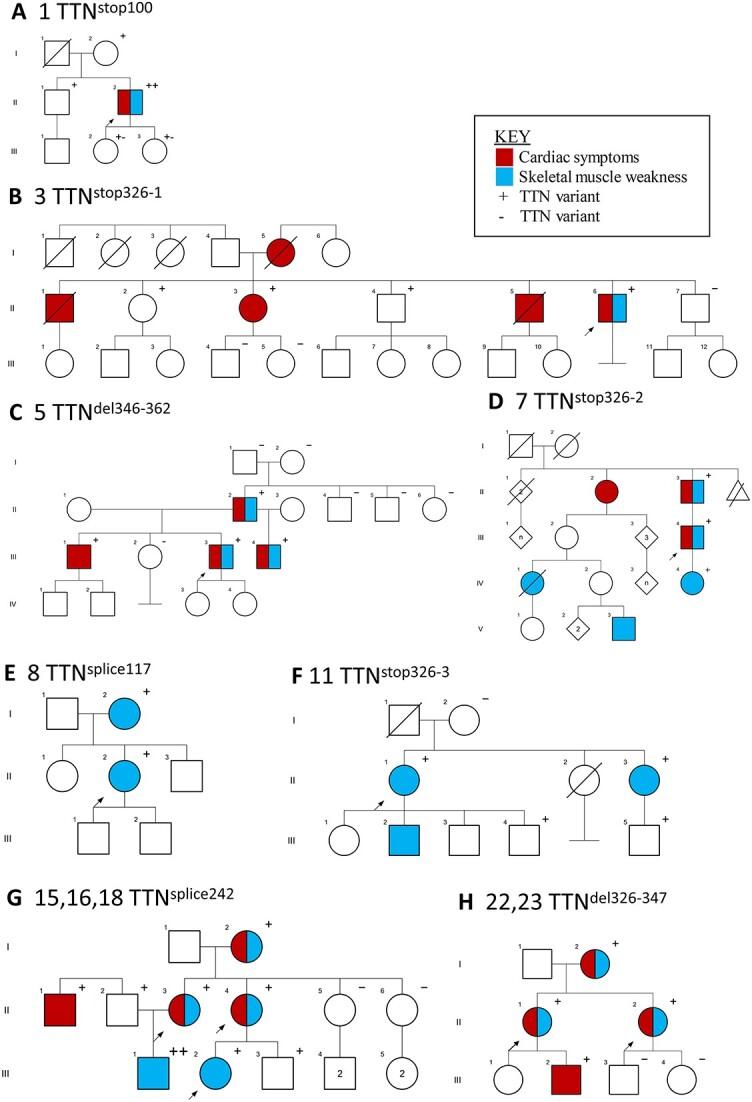
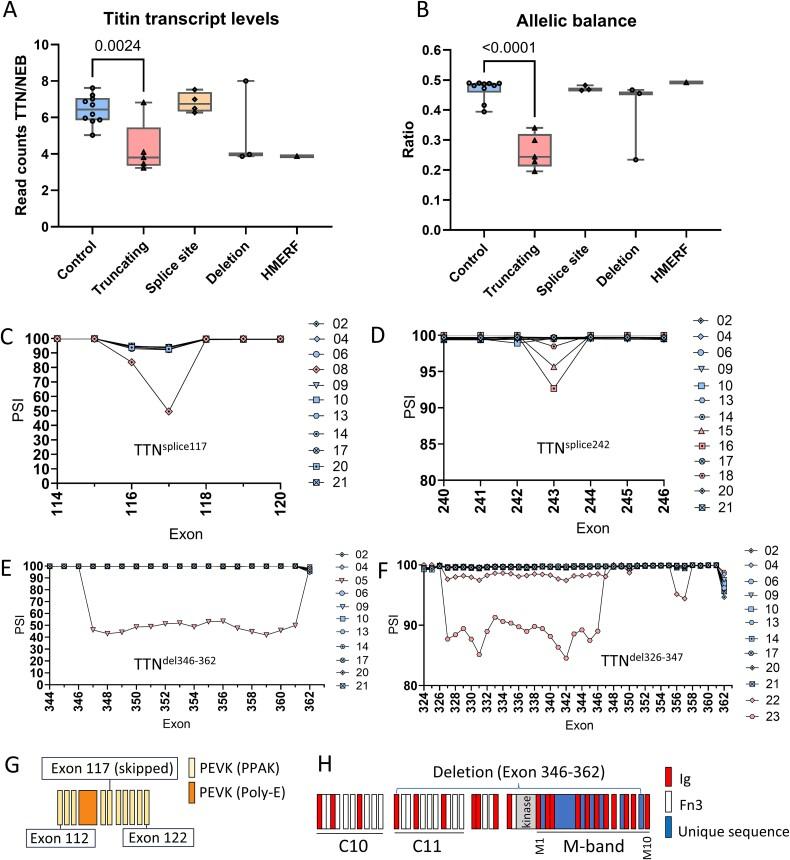
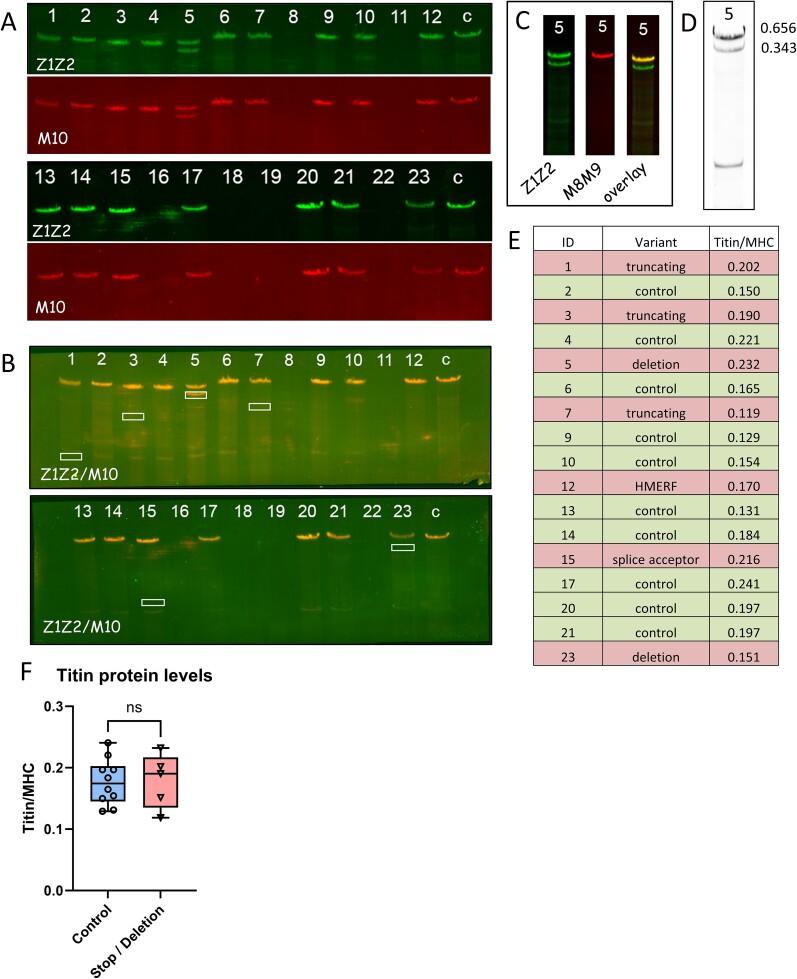
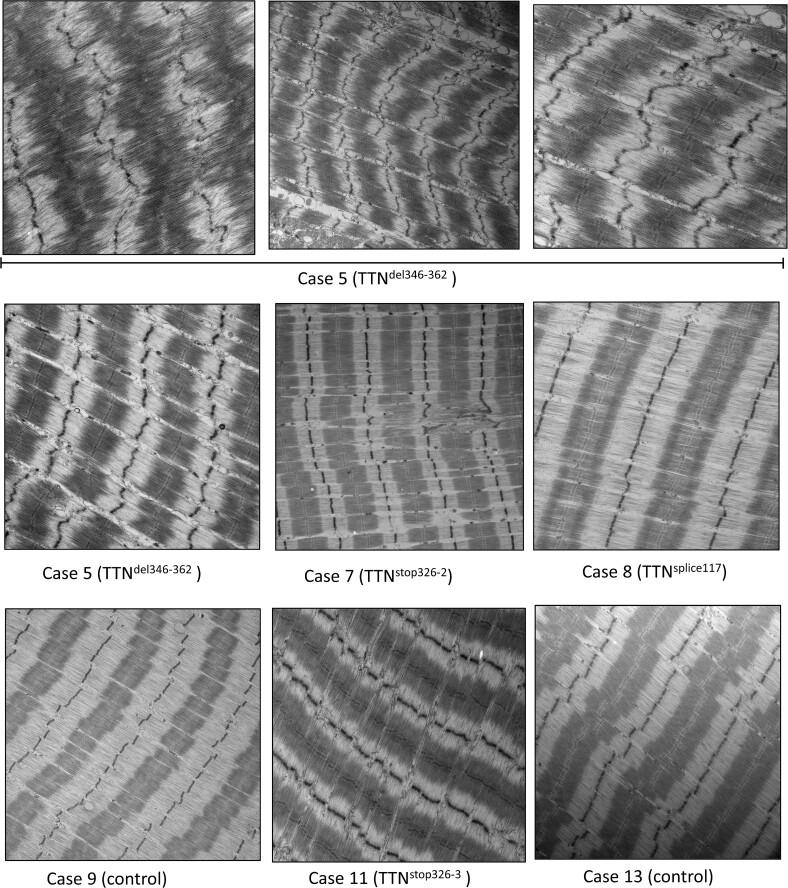
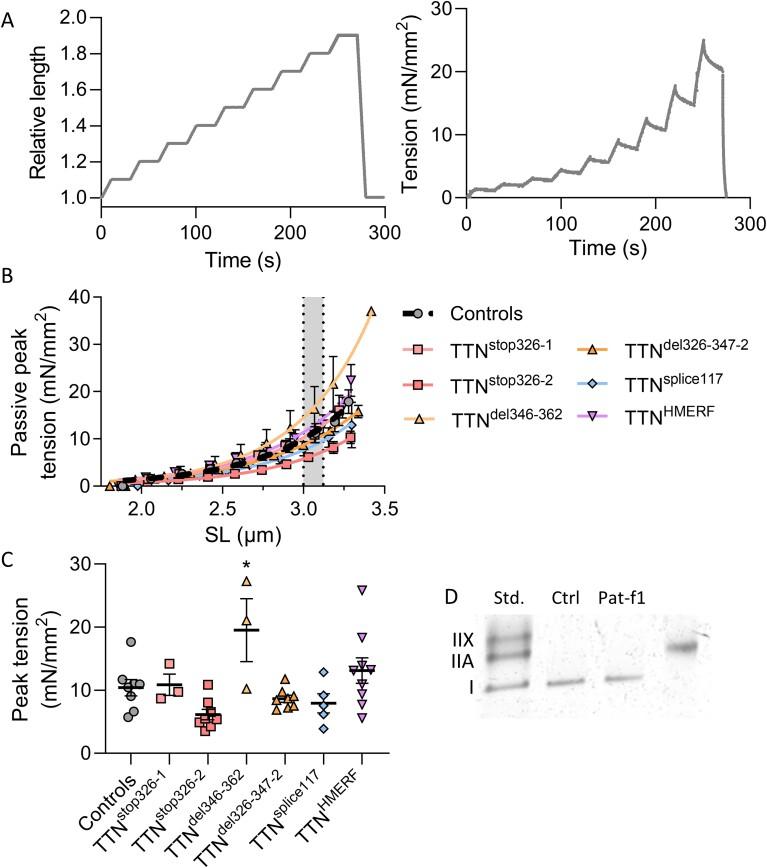
Pathogenic variants in the titin gene (TTN) are known to cause a wide range of cardiac and musculoskeletal disorders, with skeletal myopathy mostly attributed to biallelic variants. We identified monoallelic truncating variants (TTNtv), splice site or internal deletions in TTN in probands with mild, progressive axial and proximal weakness, with dilated cardiomyopathy frequently developing with age. These variants segregated in an autosomal dominant pattern in 7 out of 8 studied families. We investigated the impact of these variants on mRNA, protein levels, and skeletal muscle structure and function. Results reveal that nonsense-mediated decay likely prevents accumulation of harmful truncated protein in skeletal muscle in patients with TTNtvs. Splice variants and an out-of-frame deletion induce aberrant exon skipping, while an in-frame deletion produces shortened titin with intact N- and C-termini, resulting in disrupted sarcomeric structure. All variant types were associated with genome-wide changes in splicing patterns, which represent a hallmark of disease progression. Lastly, RNA-seq studies revealed that GDF11, a member of the TGF-β superfamily, is upregulated in diseased tissue, indicating that it might be a useful therapeutic target in skeletal muscle titinopathies.
肌联蛋白基因 (TTN) 的致病变异可导致广泛的心脏和肌肉骨骼疾病,其中骨骼肌病主要归因于双等位基因变异。我们在患有轻度、进行性轴性和近端无力、常随年龄发展扩张型心肌病的先证者中发现 TTN 的单等位基因截断变异 (TTNtv)、剪接位点或内部缺失。这些变异在 8 个研究的家族中的 7 个中以常染色体显性模式遗传。我们研究了这些变异对 mRNA、蛋白水平以及骨骼肌结构和功能的影响。结果表明,无义介导的衰变可能防止 TTNtvs 患者骨骼肌中有害截断蛋白的积累。剪接变异体和移框缺失导致异常外显子跳跃,而框内缺失产生具有完整 N-和 C-末端的缩短肌联蛋白,导致肌节结构破坏。所有变异类型均与剪接模式的全基因组变化相关,这是疾病进展的标志。最后,RNA-seq 研究表明,TGF-β 超家族的成员 GDF11 在患病组织中上调,表明它可能是骨骼肌肌联蛋白病的一个有用的治疗靶点。


 Zotero 插件