
解析年龄、癫痫与线粒体之间的关系:探索细胞能量与兴奋性的动态变化。
Unraveling the nexus of age, epilepsy, and mitochondria: exploring the dynamics of cellular energy and excitability.
作者信息
Xie Wen, Koppula Sushruta, Kale Mayur B, Ali Lashin S, Wankhede Nitu L, Umare Mohit D, Upaganlawar Aman B, Abdeen Ahmed, Ebrahim Elturabi E, El-Sherbiny Mohamed, Behl Tapan, Shen Bairong, Singla Rajeev K
机构信息
Department of Pharmacy and Institutes for Systems Genetics, Center for High Altitude Medicine, Frontiers Science Center for Disease-related Molecular Network, West China Hospital, Sichuan University, Chengdu, China.
College of Biomedical and Health Sciences, Konkuk University, Chungju-Si, Republic of Korea.
出版信息
Front Pharmacol. 2024 Sep 5;15:1469053. doi: 10.3389/fphar.2024.1469053. eCollection 2024.
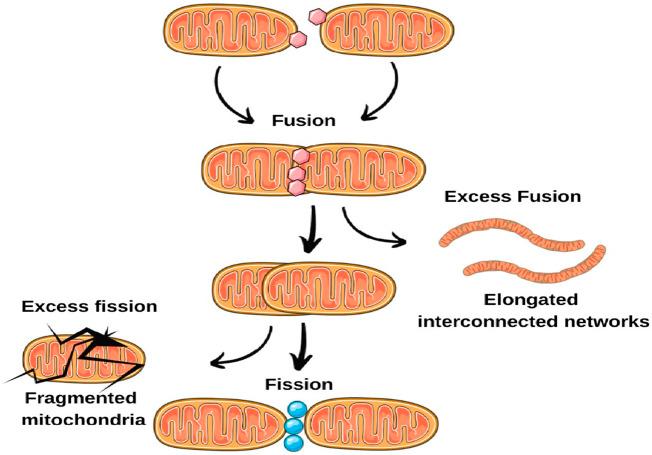
Epilepsy, a complex neurological condition marked by recurring seizures, is increasingly recognized for its intricate relationship with mitochondria, the cellular powerhouses responsible for energy production and calcium regulation. This review offers an in-depth examination of the interplay between epilepsy, mitochondrial function, and aging. Many factors might account for the correlation between epilepsy and aging. Mitochondria, integral to cellular energy dynamics and neuronal excitability, perform a critical role in the pathophysiology of epilepsy. The mechanisms linking epilepsy and mitochondria are multifaceted, involving mitochondrial dysfunction, reactive oxygen species (ROS), and mitochondrial dynamics. Mitochondrial dysfunction can trigger seizures by compromising ATP production, increasing glutamate release, and altering ion channel function. ROS, natural byproducts of mitochondrial respiration, contribute to oxidative stress and neuroinflammation, critical factors in epileptogenesis. Mitochondrial dynamics govern fusion and fission processes, influence seizure threshold and calcium buffering, and impact seizure propagation. Energy demands during seizures highlight the critical role of mitochondrial ATP generation in maintaining neuronal membrane potential. Mitochondrial calcium handling dynamically modulates neuronal excitability, affecting synaptic transmission and action potential generation. Dysregulated mitochondrial calcium handling is a hallmark of epilepsy, contributing to excitotoxicity. Epigenetic modifications in epilepsy influence mitochondrial function through histone modifications, DNA methylation, and non-coding RNA expression. Potential therapeutic avenues targeting mitochondria in epilepsy include mitochondria-targeted antioxidants, ketogenic diets, and metabolic therapies. The review concludes by outlining future directions in epilepsy research, emphasizing integrative approaches, advancements in mitochondrial research, and ethical considerations. Mitochondria emerge as central players in the complex narrative of epilepsy, offering profound insights and therapeutic potential for this challenging neurological disorder.
癫痫是一种以反复发作的癫痫发作为特征的复杂神经系统疾病,其与线粒体(负责能量产生和钙调节的细胞动力源)之间错综复杂的关系日益受到关注。本综述深入探讨了癫痫、线粒体功能和衰老之间的相互作用。许多因素可能解释癫痫与衰老之间的关联。线粒体对于细胞能量动态和神经元兴奋性至关重要,在癫痫的病理生理学中发挥着关键作用。连接癫痫和线粒体的机制是多方面的,涉及线粒体功能障碍、活性氧(ROS)和线粒体动力学。线粒体功能障碍可通过损害ATP生成、增加谷氨酸释放和改变离子通道功能来引发癫痫发作。ROS是线粒体呼吸的天然副产品,会导致氧化应激和神经炎症,而这是癫痫发生的关键因素。线粒体动力学控制融合和裂变过程,影响癫痫发作阈值和钙缓冲,并影响癫痫发作的传播。癫痫发作期间的能量需求凸显了线粒体ATP生成在维持神经元膜电位方面的关键作用。线粒体钙处理动态调节神经元兴奋性,影响突触传递和动作电位的产生。线粒体钙处理失调是癫痫的一个标志,会导致兴奋性毒性。癫痫中的表观遗传修饰通过组蛋白修饰、DNA甲基化和非编码RNA表达影响线粒体功能。针对癫痫中线粒体的潜在治疗途径包括线粒体靶向抗氧化剂、生酮饮食和代谢疗法。综述最后概述了癫痫研究的未来方向,强调综合方法、线粒体研究的进展以及伦理考量。线粒体在癫痫这一复杂情况中成为核心因素,为这种具有挑战性的神经系统疾病提供了深刻见解和治疗潜力。




 Zotero 插件