
解决外泌体和核受体相互作用:慢性疾病治疗的新兴范例。
Tackling exosome and nuclear receptor interaction: an emerging paradigm in the treatment of chronic diseases.
机构信息
Cancer Biology Laboratory, Department of Biosciences and Bioengineering, Indian Institute of Technology Guwahati (IITG), Guwahati, 781039, Assam, India.
Radiological Sciences Department, College of Applied Medical Sciences, King Khalid University, 61421, Abha, Saudi Arabia.
出版信息
Mil Med Res. 2024 Sep 26;11(1):67. doi: 10.1186/s40779-024-00564-1.
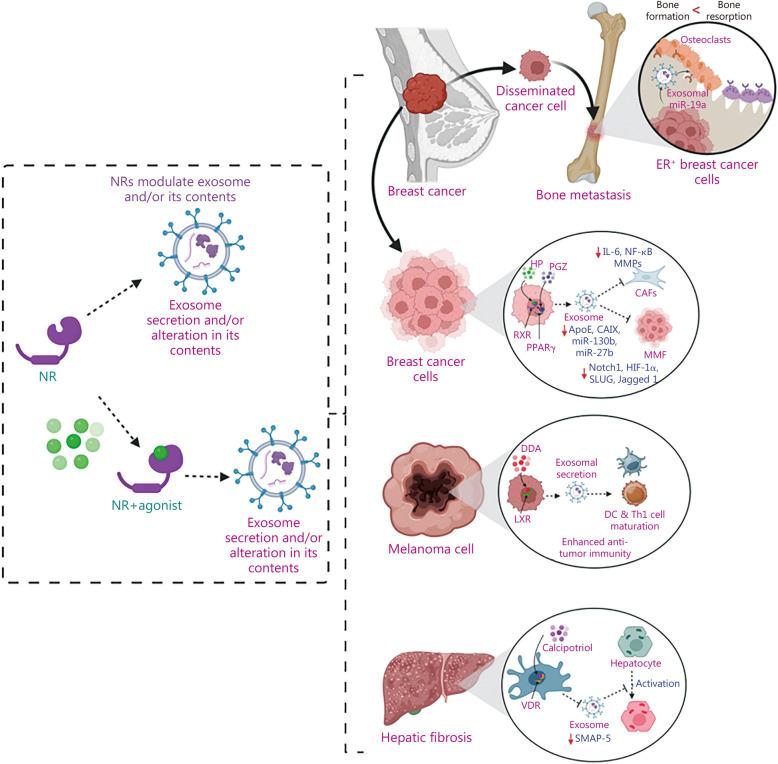
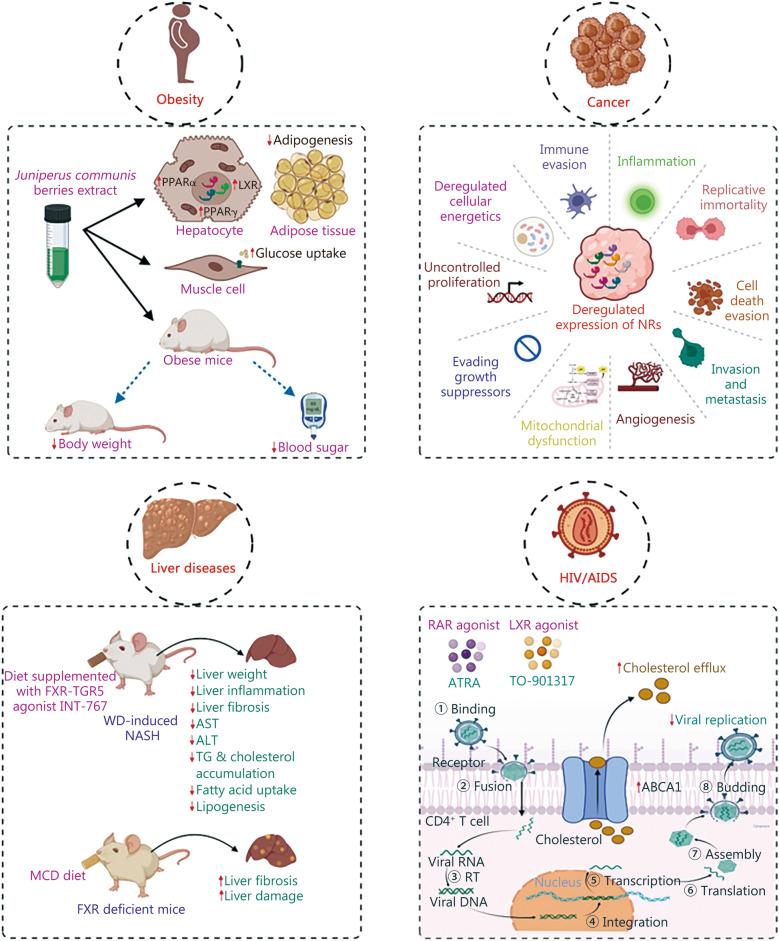
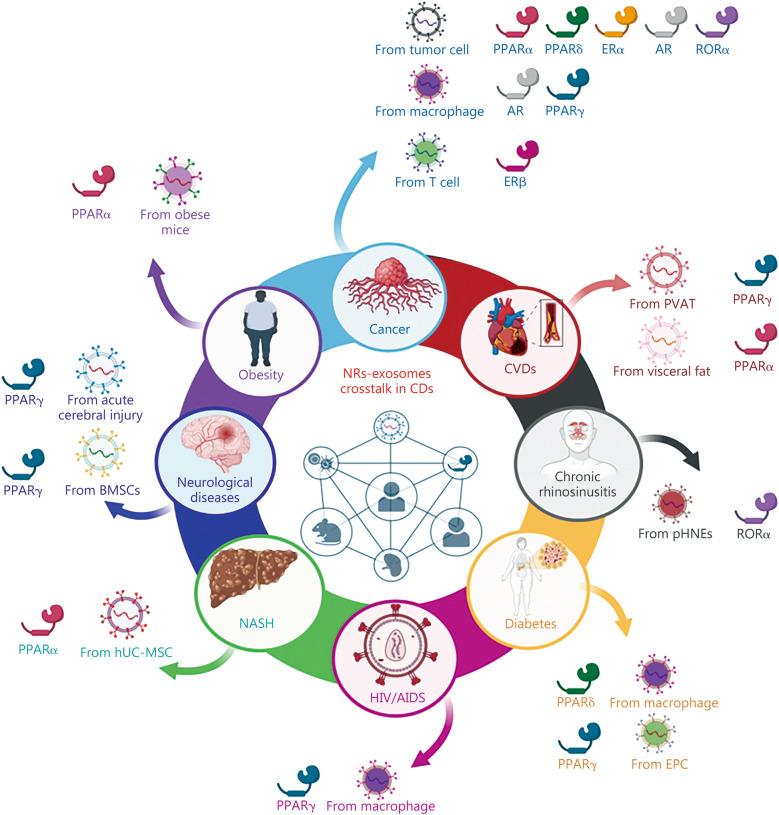
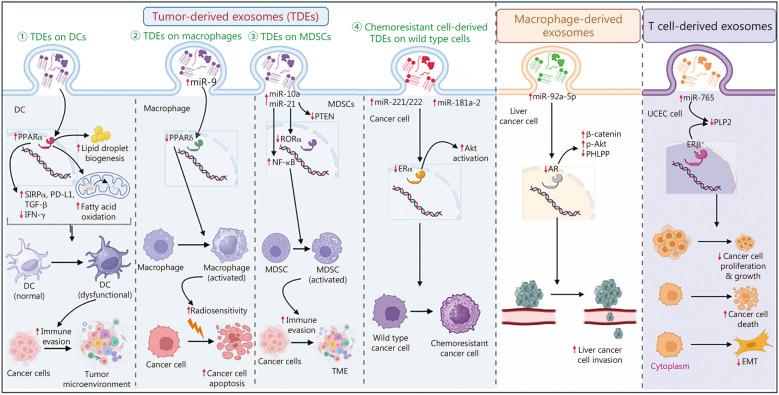
Nuclear receptors (NRs) function as crucial transcription factors in orchestrating essential functions within the realms of development, host defense, and homeostasis of body. NRs have garnered increased attention due to their potential as therapeutic targets, with drugs directed at NRs demonstrating significant efficacy in impeding chronic disease progression. Consequently, these pharmacological agents hold promise for the treatment and management of various diseases. Accumulating evidence emphasizes the regulatory role of exosome-derived microRNAs (miRNAs) in chronic inflammation, disease progression, and therapy resistance, primarily by modulating transcription factors, particularly NRs. By exploiting inflammatory pathways such as protein kinase B (Akt)/mammalian target of rapamycin (mTOR), nuclear factor kappa-B (NF-κB), signal transducer and activator of transcription 3 (STAT3), and Wnt/β-catenin signaling, exosomes and NRs play a pivotal role in the panorama of development, physiology, and pathology. The internalization of exosomes modulates NRs and initiates diverse autocrine or paracrine signaling cascades, influencing various processes in recipient cells such as survival, proliferation, differentiation, metabolism, and cellular defense mechanisms. This comprehensive review meticulously examines the involvement of exosome-mediated NR regulation in the pathogenesis of chronic ailments, including atherosclerosis, cancer, diabetes, liver diseases, and respiratory conditions. Additionally, it elucidates the molecular intricacies of exosome-mediated communication between host and recipient cells via NRs, leading to immunomodulation. Furthermore, it outlines the implications of exosome-modulated NR pathways in the prophylaxis of chronic inflammation, delineates current limitations, and provides insights into future perspectives. This review also presents existing evidence on the role of exosomes and their components in the emergence of therapeutic resistance.
核受体(NRs)作为关键的转录因子,在调节发育、宿主防御和体内平衡等基本功能方面发挥着重要作用。由于它们作为治疗靶点的潜力,NRs 引起了越来越多的关注,针对 NRs 的药物在阻止慢性疾病进展方面显示出了显著的疗效。因此,这些药物为治疗和管理各种疾病提供了希望。越来越多的证据强调了外泌体衍生的 microRNAs(miRNAs)在慢性炎症、疾病进展和治疗耐药性中的调节作用,主要通过调节转录因子,特别是 NRs。通过利用蛋白激酶 B(Akt)/雷帕霉素靶蛋白(mTOR)、核因子 kappa-B(NF-κB)、信号转导和转录激活因子 3(STAT3)和 Wnt/β-连环蛋白信号等炎症途径,外泌体和 NRs 在发育、生理和病理全景中发挥着关键作用。外泌体的内化调节 NRs 并启动多种自分泌或旁分泌信号级联反应,影响受体细胞中的各种过程,如存活、增殖、分化、代谢和细胞防御机制。这篇综述详细研究了外泌体介导的 NR 调节在动脉粥样硬化、癌症、糖尿病、肝脏疾病和呼吸系统疾病等慢性疾病发病机制中的作用。此外,它还阐明了外泌体通过 NR 介导宿主和受体细胞之间通讯的分子复杂性,从而导致免疫调节。还概述了外泌体调节的 NR 途径在慢性炎症预防中的意义,阐述了当前的局限性,并探讨了未来的前景。这篇综述还介绍了关于外泌体及其成分在治疗耐药性出现中的作用的现有证据。

 Zotero 插件