
围手术期利多卡因对机器人辅助前列腺根治术中性粒细胞胞外陷阱和血清细胞因子的影响:随机对照研究。
Impact of Perioperative Lidocaine on Neutrophil Extracellular Trapping and Serum Cytokines in Robot-Assisted Radical Prostatectomy: Randomized Controlled Study.
机构信息
Department of Urology, College of Medicine, The Catholic University of Korea, Seoul 06591, Republic of Korea.
Department of Anesthesiology and Pain Medicine, Yeouido St. Mary's Hospital, College of Medicine, The Catholic University of Korea, Seoul 06591, Republic of Korea.
出版信息
Medicina (Kaunas). 2024 Sep 5;60(9):1452. doi: 10.3390/medicina60091452.
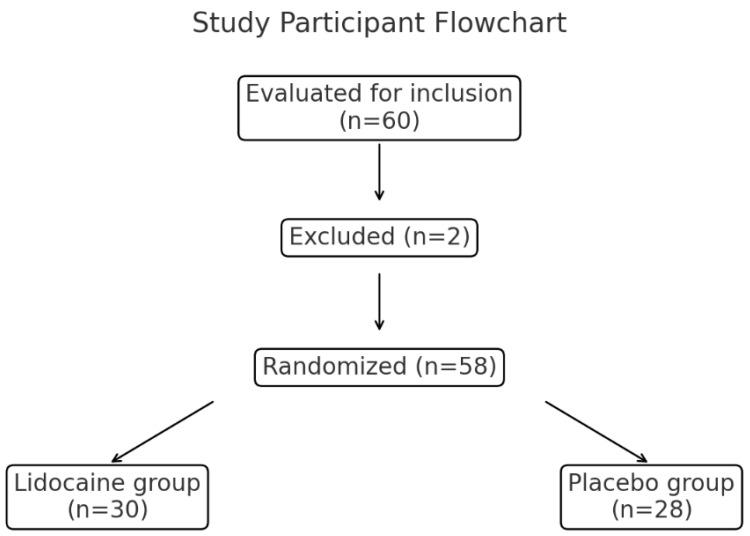
This randomized controlled trial investigated the influence of perioperative lidocaine administration on the postoperative inflammatory response in patients undergoing robot-assisted radical prostatectomy, with the results having potential implications for postoperative recovery and cancer recurrence via neutrophil extracellular trapping (NETosis). In total, 58 patients with localized prostate cancer were randomly assigned to receive an intravenous infusion of 2% lidocaine or a saline placebo intraoperatively. Serum levels of interleukin (IL)-6, IL-10, and IL-17, tumor necrosis factor(TNF)-α, interferon(IFN)-γ, neutrophil elastase (NE), citrullinated histone3 (CitH3), and myeloperoxidase (MPO) were determined preoperatively and at 24 h postoperatively. Biochemical recurrence (BCR) was assessed over a follow-up period of 2 years. The lidocaine group showed a significant change in MPO, a greater reduction in IL-10 level, and a smaller increase in the NE level compared to the placebo group, suggesting a modulatory effect of lidocaine on certain anti-inflammatory and neuroendocrine pathways. No significant difference in the BCR rate was observed between the two groups. Perioperative lidocaine administration selectively modulates certain inflammatory and neuroendocrine responses after robot-assisted radical prostatectomy surgery, potentially influencing recovery outcomes. These findings highlight the need for further investigations of the role of lidocaine in Enhanced Recovery After Surgery protocols, particularly in oncologic surgeries.
这项随机对照试验研究了围手术期给予利多卡因对机器人辅助根治性前列腺切除术患者术后炎症反应的影响,其结果可能对术后恢复和通过中性粒细胞胞外诱捕(NETosis)的癌症复发有影响。共有 58 例局限性前列腺癌患者被随机分为两组,术中分别给予 2%利多卡因或生理盐水安慰剂静脉输注。术前和术后 24 小时测定白细胞介素(IL)-6、IL-10、IL-17、肿瘤坏死因子(TNF)-α、干扰素(IFN)-γ、中性粒细胞弹性蛋白酶(NE)、瓜氨酸化组蛋白 3(CitH3)和髓过氧化物酶(MPO)的血清水平。在 2 年的随访期间评估生化复发(BCR)。与安慰剂组相比,利多卡因组的 MPO 有显著变化,IL-10 水平降低更多,NE 水平升高更小,表明利多卡因对某些抗炎和神经内分泌途径有调节作用。两组间 BCR 率无显著差异。围手术期给予利多卡因可选择性调节机器人辅助根治性前列腺切除术术后某些炎症和神经内分泌反应,可能影响恢复结果。这些发现强调了进一步研究利多卡因在术后加速康复方案中的作用的必要性,特别是在肿瘤手术中。
 Zotero 插件