
精神医学中 mHealth 干预措施的综合综合:系统、范围、叙述性综述和内容分析的见解。
Comprehensive synthesis of mHealth interventions in psychiatry: insights from systematic, scoping, narrative reviews and content analysis.
机构信息
National Addictions Management Service, Institute of Mental Health, Singapore.
出版信息
Singapore Med J. 2024 Oct 1;65(10):536-543. doi: 10.4103/singaporemedj.SMJ-2024-165. Epub 2024 Oct 4.
INTRODUCTION
Mobile health (mHealth) technologies, including smartphone apps and wearables, have improved health care by providing innovative solutions for monitoring, education and treatment, particularly in mental health.
METHOD
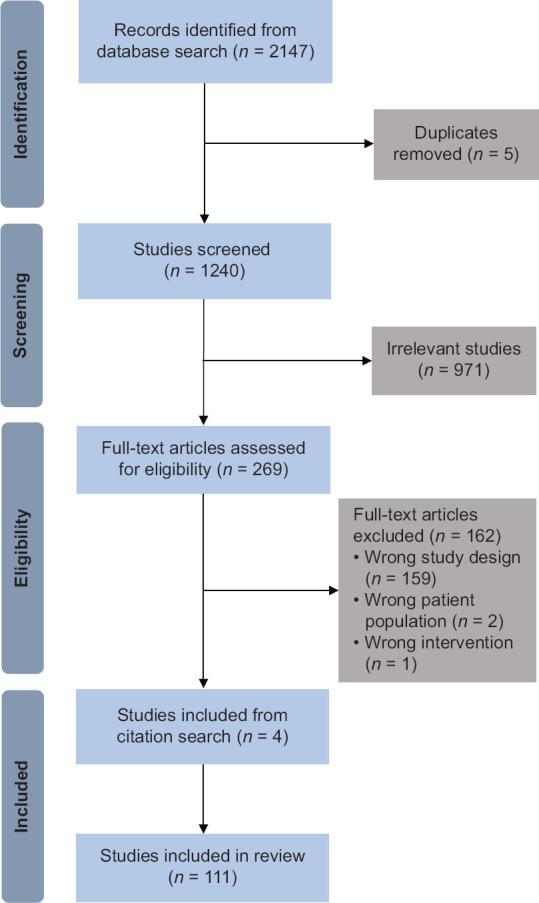
This review synthesises findings from a series of reviews on mHealth interventions in psychiatry. Publications were systematically searched in PubMed, MEDLINE, PsycINFO, ScienceDirect, Scopus, Web of Science and Cochrane Library.
RESULTS
Out of 2147 records, 111 studies from 2014 to 2024 focusing on anxiety and depression were included. These studies highlight the effectiveness of mHealth interventions in reducing symptoms through cognitive-behavioural therapy, mindfulness and psychoeducation, benefitting adolescents, perinatal women and marginalised groups. Additionally, mHealth shows promise in managing substance use disorders and severe mental illnesses like schizophrenia, bipolar disorder and psychosis.
CONCLUSION
Despite positive outcomes, challenges such as data privacy, user engagement and healthcare integration persist. Further robust trials and evidence-based research are needed to validate the efficacy of mHealth technologies.
简介
移动健康(mHealth)技术,包括智能手机应用程序和可穿戴设备,通过为监测、教育和治疗提供创新解决方案,特别是在心理健康方面,改善了医疗保健。
方法
本综述综合了一系列关于精神病学中 mHealth 干预措施的综述研究结果。在 PubMed、MEDLINE、PsycINFO、ScienceDirect、Scopus、Web of Science 和 Cochrane Library 中系统地搜索了出版物。
结果
在 2147 条记录中,纳入了 2014 年至 2024 年期间关注焦虑和抑郁的 111 项研究。这些研究强调了 mHealth 干预措施通过认知行为疗法、正念和心理教育减轻症状的有效性,使青少年、围产期妇女和边缘化群体受益。此外,mHealth 在管理物质使用障碍和严重精神疾病方面也显示出前景,如精神分裂症、双相情感障碍和精神病。
结论
尽管取得了积极成果,但仍存在数据隐私、用户参与和医疗保健整合等挑战。需要进一步进行强有力的试验和基于证据的研究,以验证 mHealth 技术的疗效。
 Zotero 插件