
脱氧雪腐镰刀菌烯醇诱导的小鼠脾毒性:炎症、内质网应激、巨噬细胞极化和长非编码 RNA 表达失调。
Deoxynivalenol-Induced Spleen Toxicity in Mice: Inflammation, Endoplasmic Reticulum Stress, Macrophage Polarization, and the Dysregulation of LncRNA Expression.
机构信息
Laboratory of Genetic Breeding, Reproduction and Precision Livestock Farming & Hubei Provincial Center of Technology Innovation for Domestic Animal Breeding, School of Animal Science and Nutritional Engineering, Wuhan Polytechnic University, Wuhan 430023, China.
出版信息
Toxins (Basel). 2024 Oct 9;16(10):432. doi: 10.3390/toxins16100432.
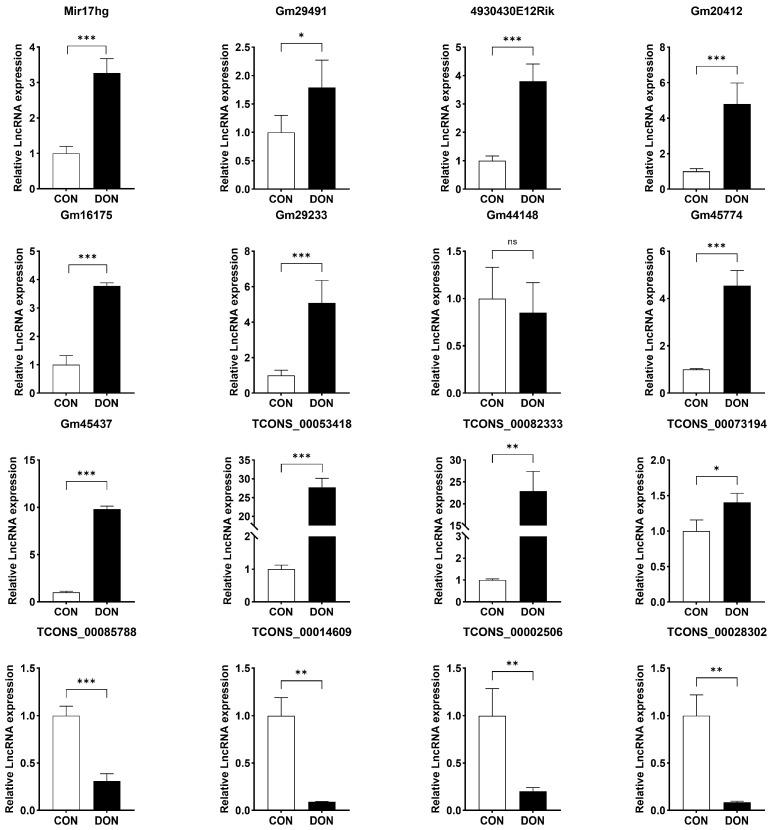
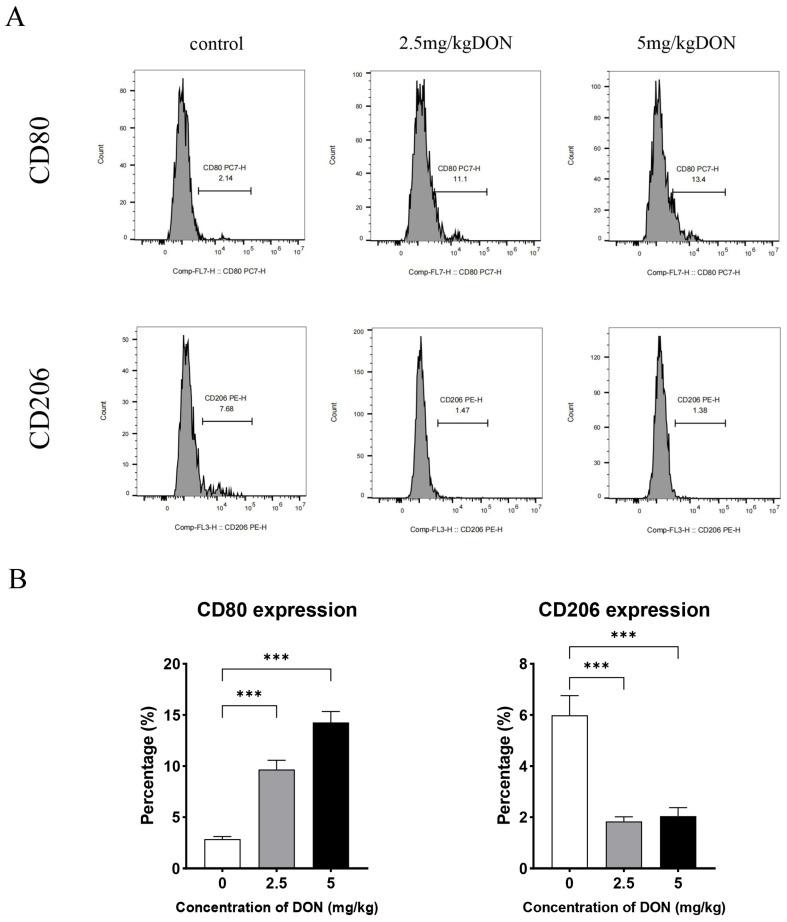
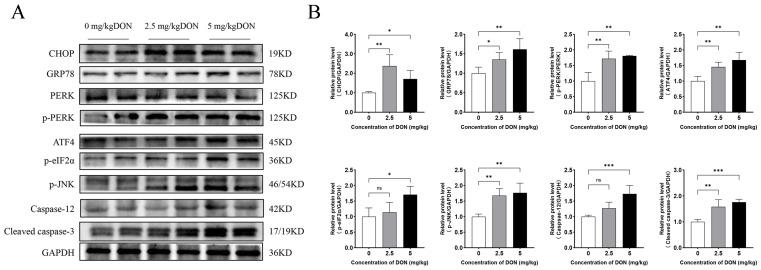
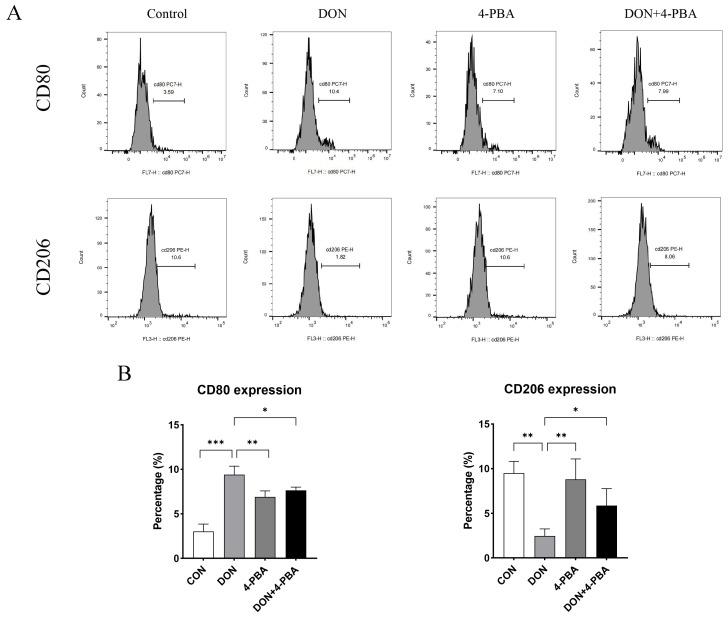
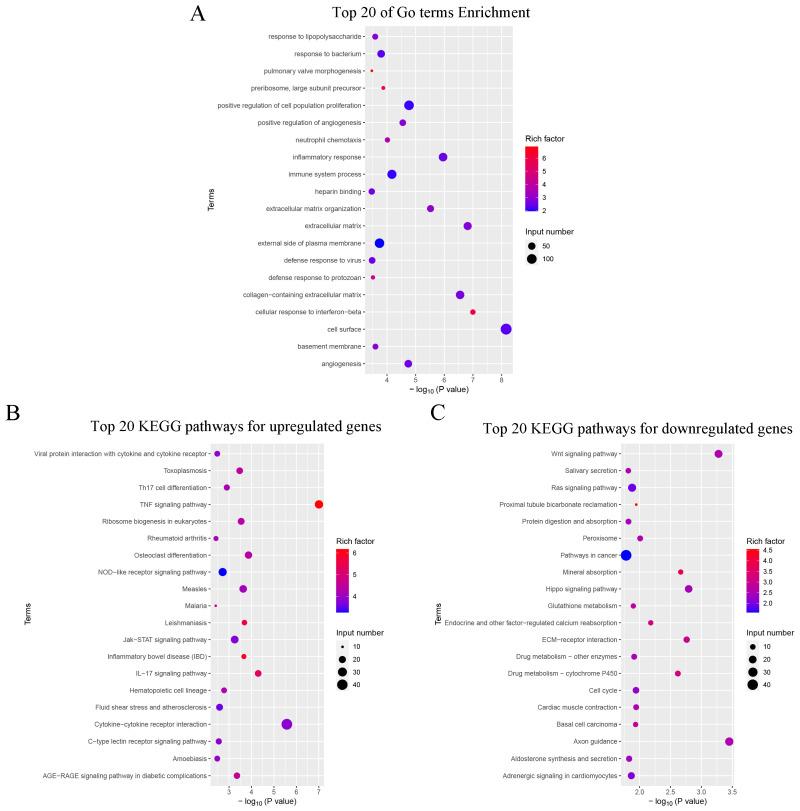
The spleen is a primary target of deoxynivalenol (DON) toxicity, but its underlying molecular mechanisms remain unclear. This study investigates the effects of DON on inflammation, splenic macrophage polarization, endoplasmic reticulum (ER) stress, and transcriptome changes (mRNA and lncRNAs) in mouse spleen. We found that DON exposure at doses of 2.5 or 5 mg/kg BW significantly induced inflammation and polarized splenic macrophages towards the M1 phenotype. Additionally, DON activated PERK-eIF2α-ATF4-mediated ER stress and upregulated apoptosis-related proteins (caspase-12, caspase-3). The ER stress inhibitor, 4-Phenylbutyric acid, significantly alleviated DON-induced ER stress, apoptosis, and the M1 polarization of splenic macrophages. Transcriptome analysis identified 1968 differentially expressed (DE) lncRNAs and 2664 DE mRNAs in mouse spleen following DON exposure. Functional enrichment analysis indicated that the upregulated genes were involved in pathways associated with immunity, including Th17 cell differentiation, TNF signaling, and IL-17 signaling, while downregulated mRNAs were linked to cell survival and growth pathways. Furthermore, 370 DE lncRNAs were predicted to target 255 DE target genes associated with immune processes, including the innate immune response, interferon-beta response, cytokine production regulation, leukocyte apoptosis, and NF-κB signaling genes. This study provides new insights into the mechanisms underlying DON toxicity and its effects on the immune system.
脾脏是脱氧雪腐镰刀菌烯醇(DON)毒性的主要靶标,但其中的分子机制尚不清楚。本研究探讨了 DON 对小鼠脾脏炎症、脾巨噬细胞极化、内质网(ER)应激以及转录组变化(mRNA 和 lncRNAs)的影响。结果发现,2.5 或 5mg/kg BW 的 DON 暴露显著诱导了炎症,并使脾巨噬细胞向 M1 表型极化。此外,DON 激活了 PERK-eIF2α-ATF4 介导的 ER 应激,上调了凋亡相关蛋白(caspase-12、caspase-3)。ER 应激抑制剂 4-苯丁酸显著缓解了 DON 诱导的 ER 应激、凋亡以及脾巨噬细胞的 M1 极化。转录组分析发现,DON 暴露后小鼠脾脏中 1968 个 lncRNAs 和 2664 个 mRNAs 发生差异表达。功能富集分析表明,上调基因参与了与免疫相关的途径,包括 Th17 细胞分化、TNF 信号和 IL-17 信号;而下调的 mRNAs 与细胞存活和生长途径相关。此外,370 个 DE lncRNAs 被预测靶向与免疫过程相关的 255 个 DE 靶基因,包括先天免疫反应、干扰素-β反应、细胞因子产生调控、白细胞凋亡和 NF-κB 信号基因。本研究为 DON 毒性及其对免疫系统影响的机制提供了新的见解。




 Zotero 插件