
儿科和青少年炎症性肠病的注意事项。
Considerations in Paediatric and Adolescent Inflammatory Bowel Disease.
机构信息
Department of Paediatric Gastroenterology, Erasmus MC - Sophia Children's Hospital, Rotterdam, The Netherlands.
出版信息
J Crohns Colitis. 2024 Oct 30;18(Supplement_2):ii31-ii45. doi: 10.1093/ecco-jcc/jjae087.
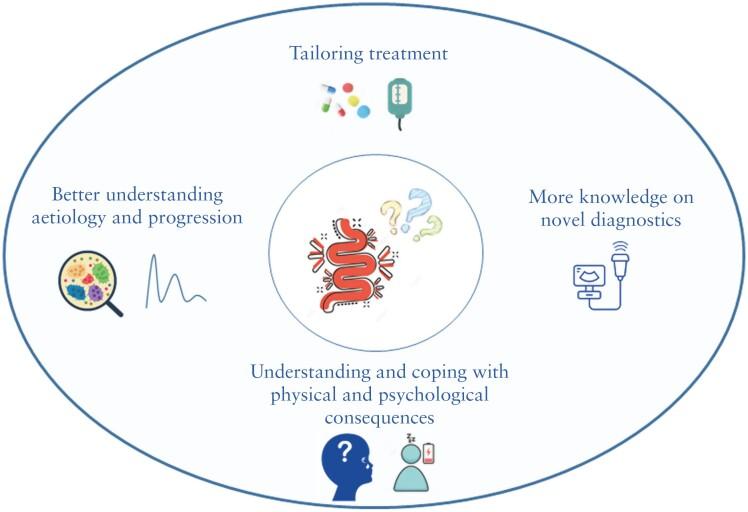
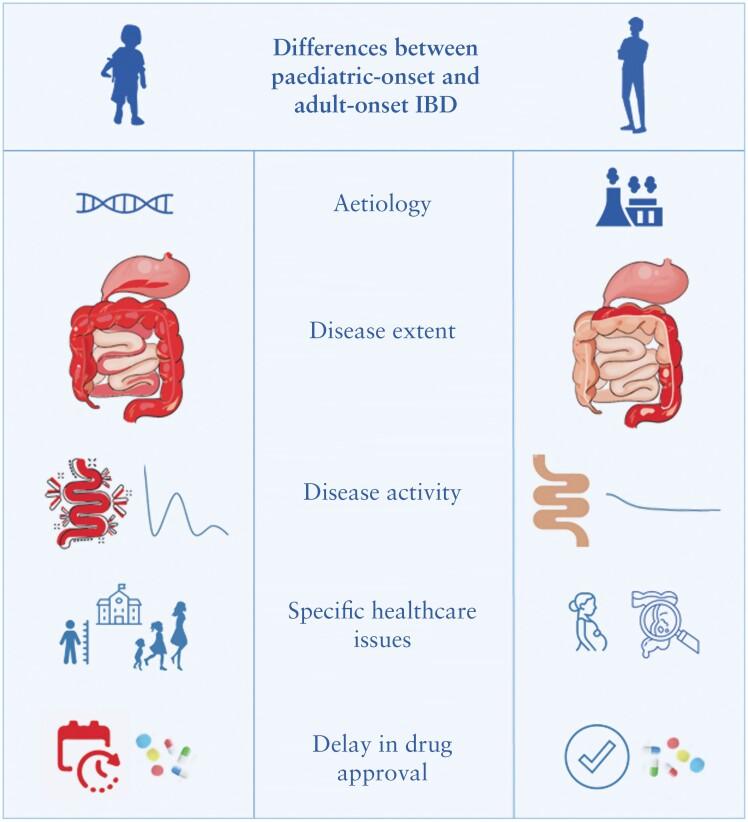
The incidence of inflammatory bowel disease [IBD] is rising most rapidly among children and adolescents. Paediatric-onset IBD is associated with a more extensive and severe disease course compared to adult-onset IBD. At a young age, screening for underlying genetic and immunological disorders is important and may impact treatment management. Early and effective treatment is crucial to reach disease remission and prevent complications of ongoing active disease. In children with Crohn's disease, exclusive enteral nutrition is an effective induction therapy. Other promising dietary therapies, such as the Crohn's disease exclusion diet, are emerging. Within paediatric IBD, anti-tumour necrosis factor therapy is the only approved biological thus far and additional treatment options are crucially needed. Other biological therapies, such as vedolizumab and ustekinumab, are currently prescribed off-label in this population. A specific challenge in paediatric IBD is the unacceptable and major delay in approval of drugs for children with IBD. A guided transfer period of paediatric patients to adult care is associated with improved disease outcomes and is required. Major knowledge gaps and challenges within paediatric IBD include the aetiology, diagnostics, and monitoring of disease, tailoring of treatment, and both understanding and coping with the physical and psychological consequences of living with IBD. Challenges and research gaps in paediatrics should be addressed without any delay in comparison with the adult field, in order to ensure a high quality of care for all patients with IBD, irrespective of the age of onset.
炎症性肠病(IBD)的发病率在儿童和青少年中增长最快。与成人发病的 IBD 相比,儿科发病的 IBD 具有更广泛和更严重的疾病过程。在幼年时期,筛查潜在的遗传和免疫障碍非常重要,这可能会影响治疗管理。早期和有效的治疗对于达到疾病缓解和预防持续活动疾病的并发症至关重要。在患有克罗恩病的儿童中,肠内营养是一种有效的诱导治疗方法。其他有前途的饮食疗法,如克罗恩病排除饮食,正在出现。在儿科 IBD 中,抗肿瘤坏死因子治疗是迄今为止唯一批准的生物制剂,因此迫切需要额外的治疗选择。其他生物疗法,如 vedolizumab 和 ustekinumab,目前在该人群中被超适应证使用。儿科 IBD 的一个特殊挑战是儿童 IBD 药物的批准不可接受且严重延迟。儿科患者向成人护理的引导转移期与改善疾病结局相关,是必需的。儿科 IBD 中的主要知识空白和挑战包括疾病的病因、诊断和监测、治疗的调整,以及对 IBD 所带来的身体和心理后果的理解和应对。与成人领域相比,儿科的挑战和研究空白应该毫不拖延地得到解决,以确保所有 IBD 患者,无论发病年龄如何,都能获得高质量的护理。
 Zotero 插件