
益生菌衍生的细胞外囊泡对家畜肠道屏障功能的影响。
Impact of probiotics-derived extracellular vesicles on livestock gut barrier function.
作者信息
Zhang Yuhan, Song Mengzhen, Fan Jinping, Guo Xuming, Tao Shiyu
机构信息
College of Animal Sciences and Technology, Huazhong Agricultural University, No. 1 Shizishan Street, Hongshan District, Wuhan, Hubei Province, 430070, China.
出版信息
J Anim Sci Biotechnol. 2024 Nov 7;15(1):149. doi: 10.1186/s40104-024-01102-8.
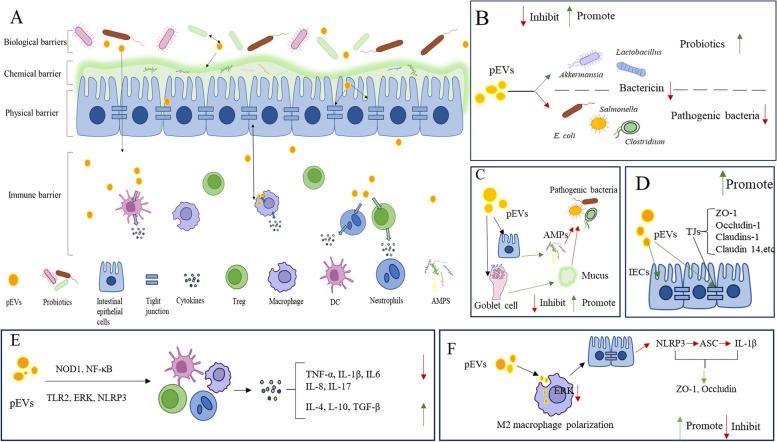
Probiotic extracellular vesicles (pEVs) are biologically active nanoparticle structures that can regulate the intestinal tract through direct or indirect mechanisms. They enhance the intestinal barrier function in livestock and poultry and help alleviate intestinal diseases. The specific effects of pEVs depend on their internal functional components, including nucleic acids, proteins, lipids, and other substances. This paper presents a narrative review of the impact of pEVs on the intestinal barrier across various segments of the intestinal tract, exploring their mechanisms of action while highlighting the limitations of current research. Investigating the mechanisms through which probiotics operate via pEVs could deepen our understanding and provide a theoretical foundation for their application in livestock production.
益生菌细胞外囊泡(pEVs)是具有生物活性的纳米颗粒结构,可通过直接或间接机制调节肠道。它们增强了畜禽的肠道屏障功能,并有助于缓解肠道疾病。pEVs的具体作用取决于其内部功能成分,包括核酸、蛋白质、脂质和其他物质。本文对pEVs对肠道各段肠道屏障的影响进行了叙述性综述,探讨了它们的作用机制,同时强调了当前研究的局限性。研究益生菌通过pEVs发挥作用的机制,可能会加深我们的理解,并为其在畜牧生产中的应用提供理论基础。

 Zotero 插件