
使用智能手机应用程序对重复亚脑震荡性爆炸暴露后的神经运动控制进行客观评估。
An Objective Assessment of Neuromotor Control Using a Smartphone App After Repeated Subconcussive Blast Exposure.
机构信息
Ellmer College of Health Sciences, Old Dominion University, Norfolk, VA 23529, USA.
Department of Kinesiology, Whittier College, Whittier, CA 90602, USA.
出版信息
Sensors (Basel). 2024 Nov 2;24(21):7064. doi: 10.3390/s24217064.
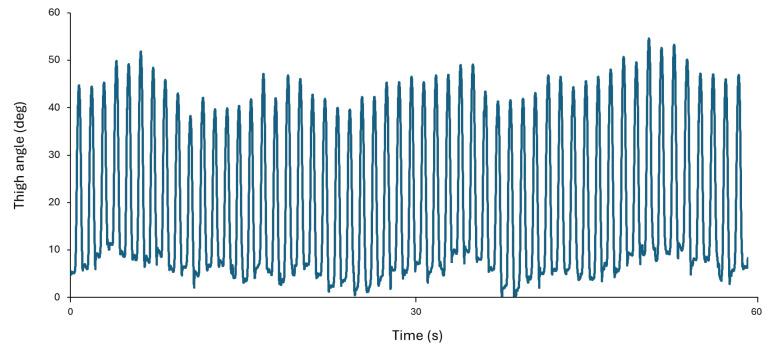
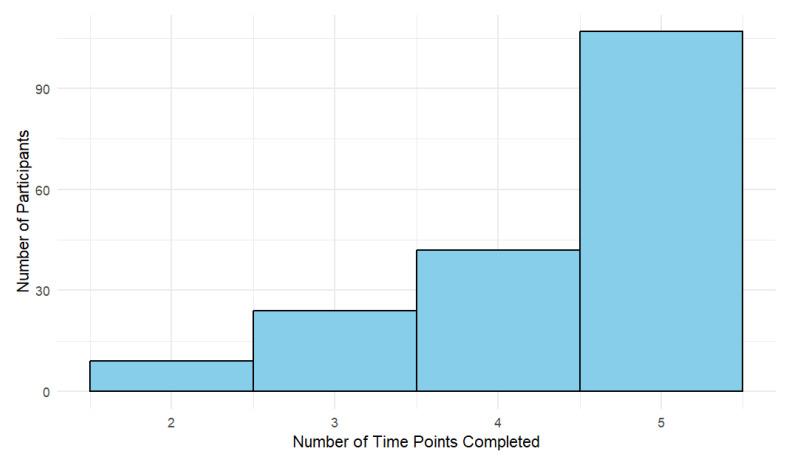
Subconcussive blast exposure has been shown to alter neurological functioning. However, the extent to which neurological dysfunction persists after blast exposure is unknown. This longitudinal study examined the potential short- and long-term effects of repeated subconcussive blast exposure on neuromotor performance from heavy weapons training in military personnel. A total of 214 participants were assessed; 137 were exposed to repeated subconcussive blasts and 77 were not exposed to blasts (controls). Participants completed a short stepping-in-place task while an Android smartphone app placed on their thigh recorded movement kinematics. We showed acute suppression of neuromotor variability 6 h after subconcussive blast exposure, followed by a rebound to levels not different from baseline at the 72 h, 2-week, and 3-month post-tests. It is postulated that this suppression of neuromotor variability results from a reduction in the functional degrees of freedom from the subconcussive neurological insult. It is important to note that this change in behavior is short-lived, with a return to pre-blast exposure movement kinematics within 72 h.
亚阈值爆炸冲击暴露已被证明会改变神经功能。然而,爆炸冲击暴露后神经功能障碍持续的程度尚不清楚。这项纵向研究调查了在军事人员进行重武器训练中,反复亚阈值爆炸冲击暴露对神经运动表现的潜在短期和长期影响。共有 214 名参与者接受了评估;137 名参与者暴露于重复的亚阈值爆炸冲击中,77 名参与者未暴露于爆炸冲击(对照组)。参与者在大腿上放置的 Android 智能手机应用程序的帮助下完成了短步踏地任务,记录运动运动学。我们发现,亚阈值爆炸冲击暴露后 6 小时出现了神经运动可变性的急性抑制,随后在 72 小时、2 周和 3 个月的后测中,神经运动可变性恢复到与基线水平无差异的水平。据推测,这种神经运动可变性的抑制是由于亚阈值神经损伤导致功能自由度减少所致。需要注意的是,这种行为的变化是短暂的,在 72 小时内恢复到爆炸冲击暴露前的运动运动学。

 Zotero 插件