
应激恢复力是一个活跃的多因素过程,表现为突触的结构、功能和分子变化。
Stress resilience is an active and multifactorial process manifested by structural, functional, and molecular changes in synapses.
作者信息
Bączyńska E, Zaręba-Kozioł M, Ruszczycki B, Krzystyniak A, Wójtowicz T, Bijata K, Pochwat B, Magnowska M, Roszkowska M, Figiel I, Masternak J, Pytyś A, Dzwonek J, Worch R, Olszyński K H, Wardak A D, Szymczak P, Labus J, Radwańska K, Jahołkowski P, Hogendorf A, Ponimaskin E, Filipkowski R K, Szewczyk B, Bijata M, Włodarczyk J
机构信息
Nencki Institute of Experimental Biology, Polish Academy of Sciences, Pasteur 3, Warsaw, 02-093, Poland.
Department of Regenerative Medicine, Maria Sklodowska-Curie National Research Institute of Oncology, Roentgena 5, Warsaw, 02-781, Poland.
出版信息
Neurobiol Stress. 2024 Oct 22;33:100683. doi: 10.1016/j.ynstr.2024.100683. eCollection 2024 Nov.
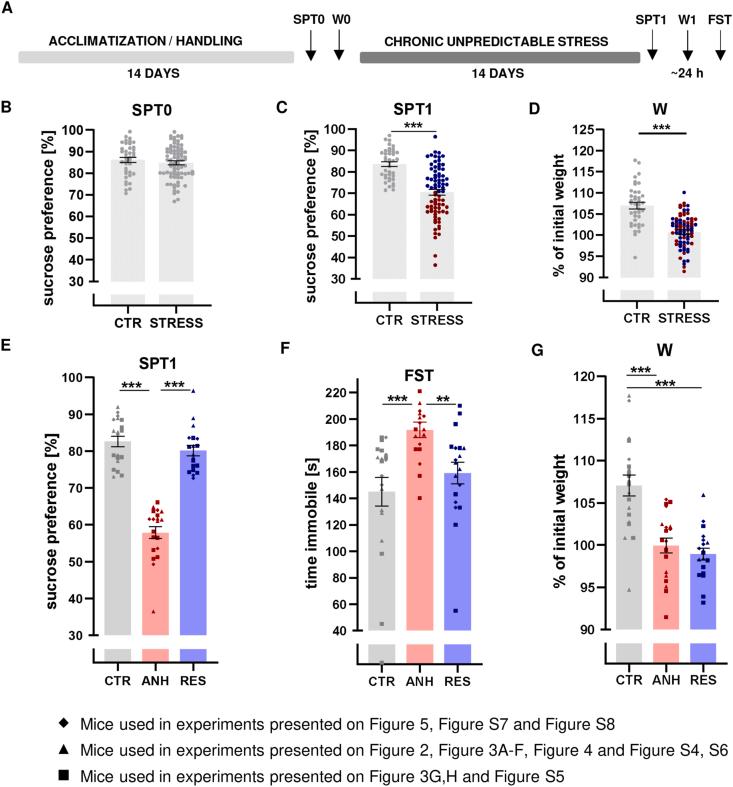
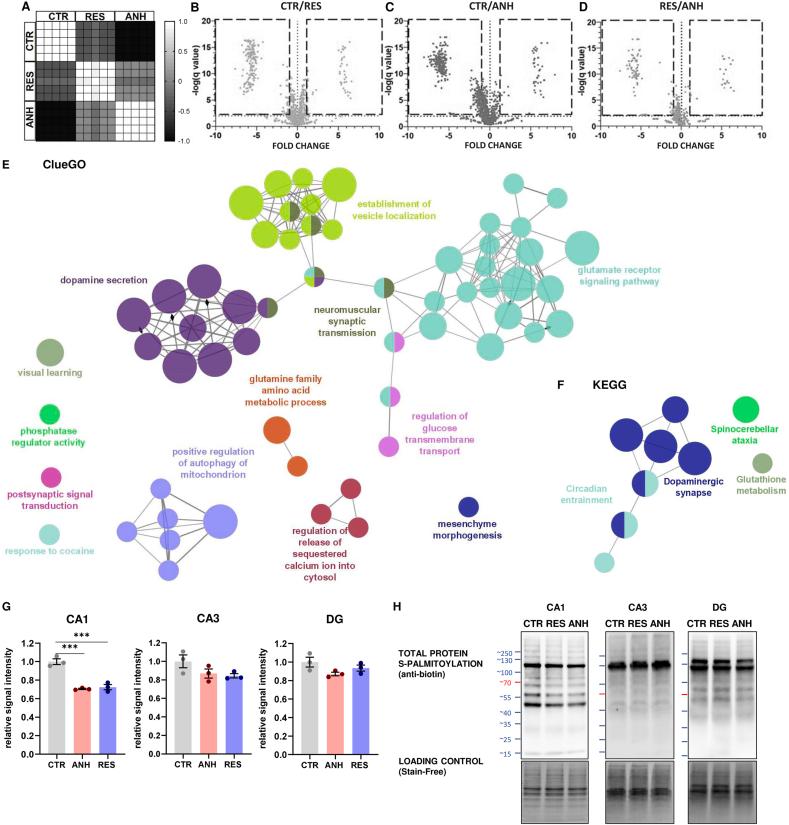
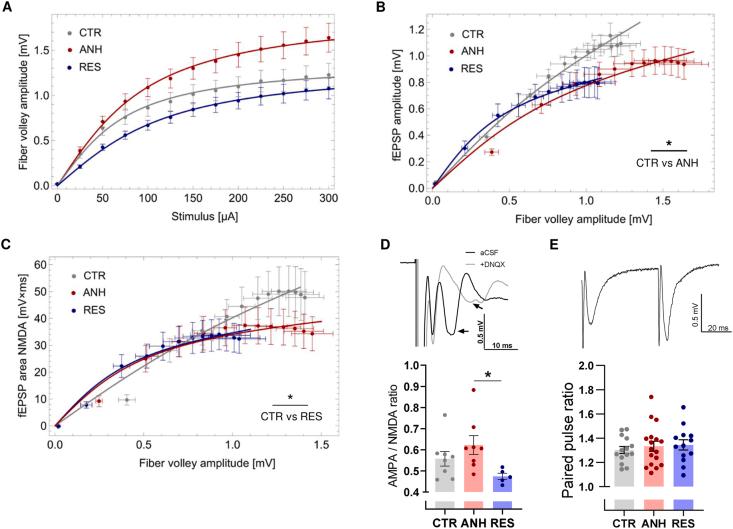
Stress resilience is the ability of neuronal networks to maintain their function despite the stress exposure. Using a mouse model we investigate stress resilience phenomenon. To assess the resilient and anhedonic behavioral phenotypes developed after the induction of chronic unpredictable stress, we quantitatively characterized the structural and functional plasticity of excitatory synapses in the hippocampus using a combination of proteomic, electrophysiological, and imaging methods. Our results indicate that stress resilience is an active and multifactorial process manifested by structural, functional, and molecular changes in synapses. We reveal that chronic stress influences palmitoylation of synaptic proteins, whose profiles differ between resilient and anhedonic animals. The changes in palmitoylation are predominantly related with the glutamate receptor signaling thus affects synaptic transmission and associated structures of dendritic spines. We show that stress resilience is associated with structural compensatory plasticity of the postsynaptic parts of synapses in CA1 subregion of the hippocampus.
应激恢复力是指神经网络在受到应激时仍能维持其功能的能力。我们使用小鼠模型来研究应激恢复力现象。为了评估慢性不可预测应激诱导后产生的恢复力和快感缺失行为表型,我们结合蛋白质组学、电生理学和成像方法,对海马体中兴奋性突触的结构和功能可塑性进行了定量表征。我们的结果表明,应激恢复力是一个由突触的结构、功能和分子变化所体现的活跃且多因素的过程。我们发现慢性应激会影响突触蛋白的棕榈酰化,其模式在恢复力强和快感缺失的动物之间有所不同。棕榈酰化的变化主要与谷氨酸受体信号传导相关,从而影响突触传递和树突棘的相关结构。我们表明,应激恢复力与海马体CA1亚区突触后部分的结构代偿可塑性有关。


 Zotero 插件