
基于生物的聚乳酸实验器具作为生命科学实验室中微生物培养的可持续替代品。
Bio-based polylactic acid labware as a sustainable alternative for microbial cultivation in life science laboratories.
作者信息
O Loughlin Jennie, Herward Bevin, Doherty Dylan, Bhagabati Purabi, Kelleher Susan M, Fahy Samantha, Freeland Brian, Rochfort Keith D, Gaughran Jennifer
机构信息
School of Physical Sciences, Dublin City University, D9 Dublin, Ireland.
School of Chemical Sciences, Dublin City University, D9 Dublin, Ireland.
出版信息
Heliyon. 2024 Oct 26;10(21):e39846. doi: 10.1016/j.heliyon.2024.e39846. eCollection 2024 Nov 15.
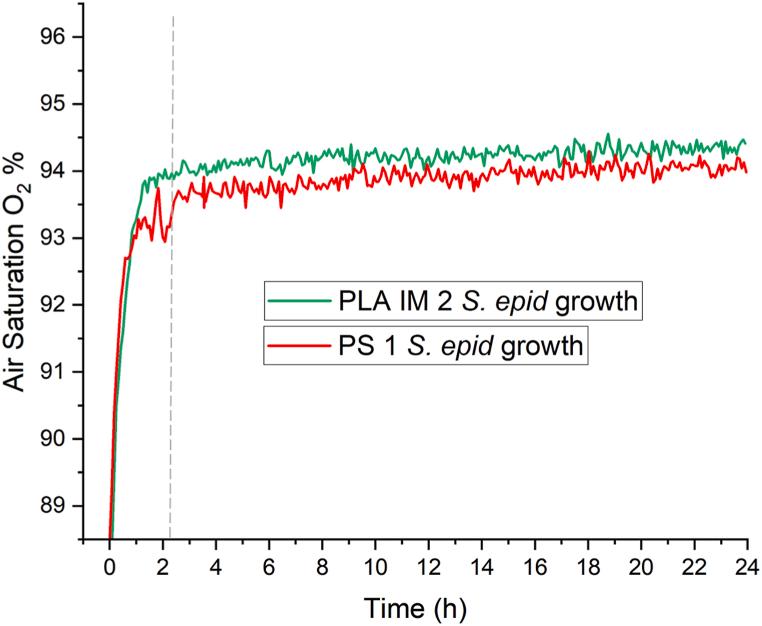
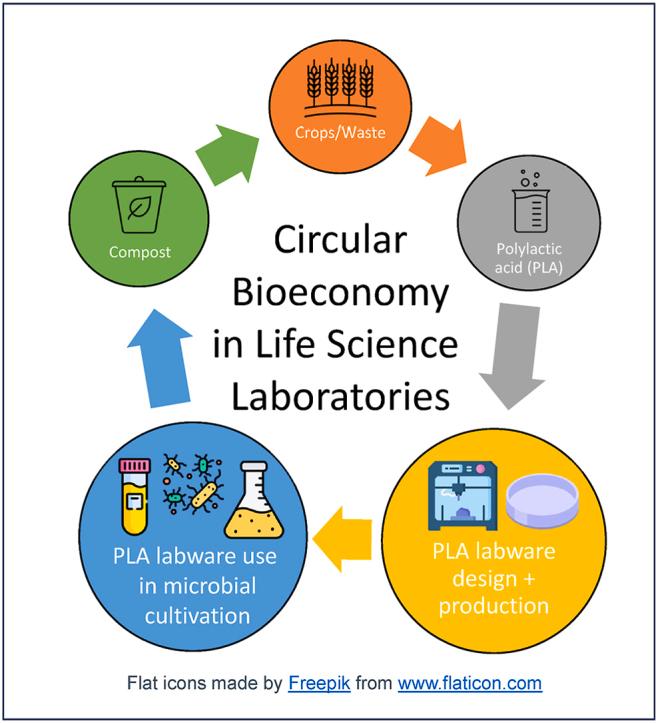
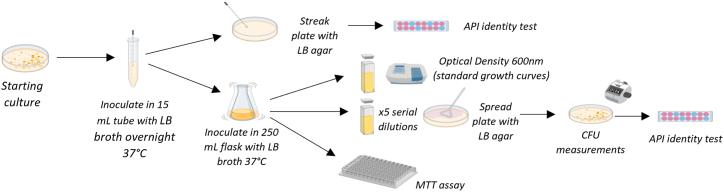
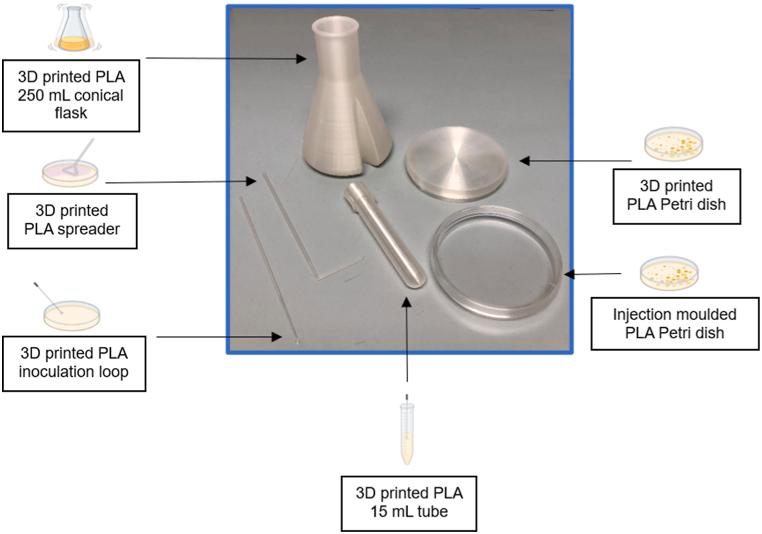
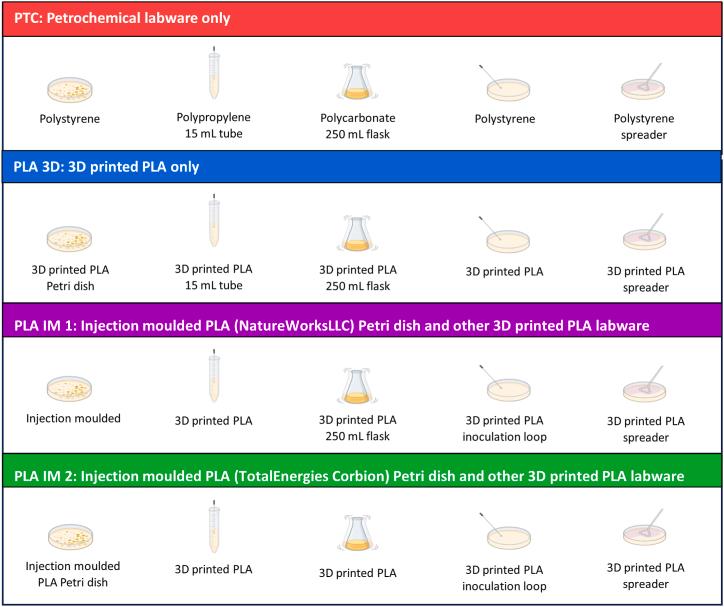
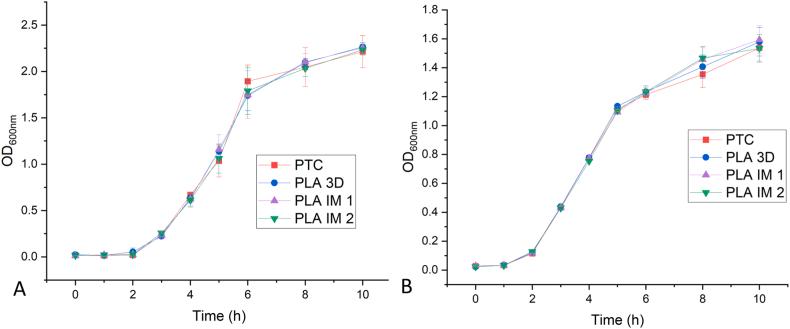
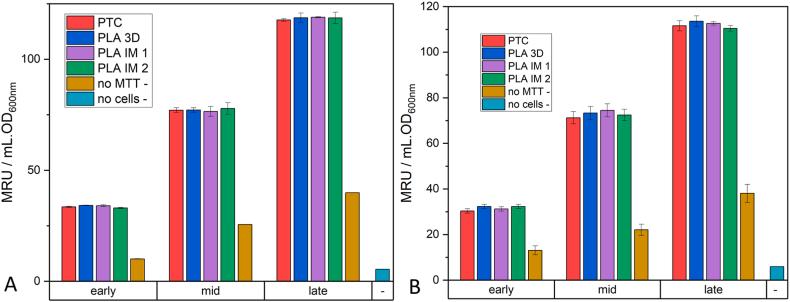
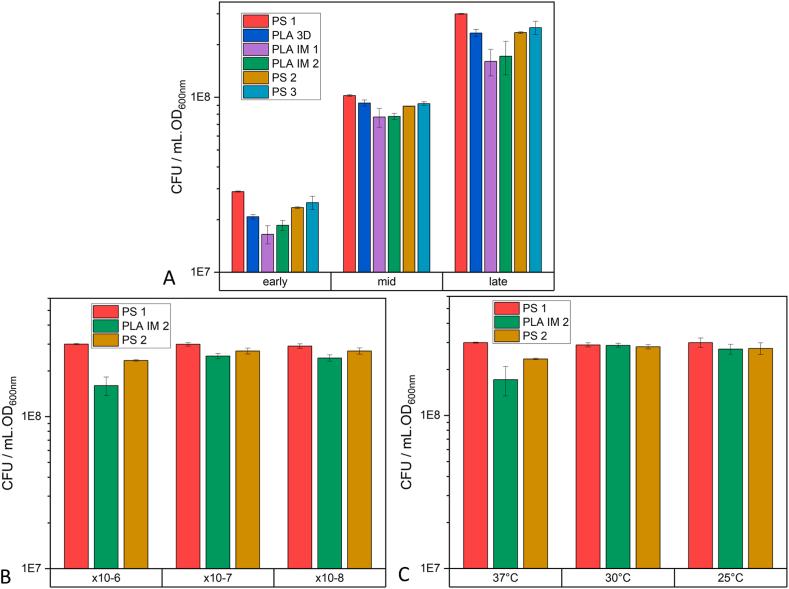
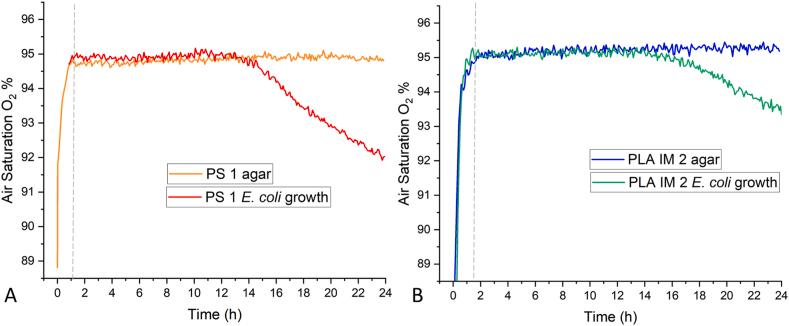
Single-use plastics (SUPs) in life science laboratories account for approximately 5.5 million tonnes of waste per year globally. Of SUPs used in life science laboratories, Petri dishes, centrifuge tubes, and inoculation loops are some of the most common. In order to reduce the reliance on petrochemical-based SUPs in the life science research laboratory and minimize the negative environmental impacts associated with SUPs, this research investigates the applicability of polylactic acid (PLA) in single-use labware as a replacement for petrochemical-based plastics. PLA is one of the most well-studied biodegradable plastics that can be produced from sustainable resources. Commercially available PLA was used to 3D print a select range of labware to test the suitability of PLA-based material for routine microbiology work. An injection moulded PLA-based Petri dish was also designed and produced, for increased optical clarity. The biocompatibility was tested against Gram-negative () and Gram-positive () strains of bacteria. The PLA-based labware did not negatively impact the cell growth, viability, and metabolic activity of the bacterial cultures. The injection moulded PLA Petri dish showed a reduced colony forming unit count for the Gram-negative strain compared to the polystyrene Petri dish, ∼1.5 × 10 CFU/mL and ∼3.0 × 10 CFU/mL respectively, during late-exponential growth. The colony counts were, however, in the same order of magnitude. This observed difference may be due to the internal environment inside the Petri dish, hence the internal O concentration, humidity, and temperature during bacterial growth were investigated. This work demonstrates, for the first time, a full successful workflow of bacterial growth using a sustainable bioplastic, providing a pathway to reducing the environmental impacts of SUPs in life science laboratories.
全球生命科学实验室中的一次性塑料(SUPs)每年产生约550万吨废弃物。在生命科学实验室使用的一次性塑料中,培养皿、离心管和接种环是一些最常见的类型。为了减少生命科学研究实验室对石化基一次性塑料的依赖,并尽量减少与一次性塑料相关的负面环境影响,本研究调查了聚乳酸(PLA)在一次性实验室器具中替代石化基塑料的适用性。聚乳酸是研究最为充分的可生物降解塑料之一,可由可持续资源生产。使用市售聚乳酸通过3D打印一系列选定的实验室器具,以测试聚乳酸基材料用于常规微生物学工作的适用性。还设计并生产了一种注塑成型的聚乳酸基培养皿,以提高光学清晰度。针对革兰氏阴性菌和革兰氏阳性菌菌株测试了其生物相容性。聚乳酸基实验室器具对细菌培养物的细胞生长、活力和代谢活性没有负面影响。在指数生长后期,与聚苯乙烯培养皿相比,注塑成型的聚乳酸培养皿中革兰氏阴性菌的菌落形成单位数量减少,分别约为1.5×10 CFU/mL和3.0×10 CFU/mL。然而,菌落计数处于相同数量级。观察到的这种差异可能是由于培养皿内部环境所致,因此研究了细菌生长期间培养皿内部的氧气浓度、湿度和温度。这项工作首次展示了使用可持续生物塑料进行细菌生长的完整成功工作流程,为减少生命科学实验室一次性塑料对环境的影响提供了一条途径。


 Zotero 插件