
用于癌症治疗的仿生微纳结构系统
Bioinspired micro- and nanostructured systems for cancer therapy.
作者信息
Yang Rui, Zhang Bing, Fei Xiawei, Cong Shanshan, Zhao Shaojie, Zhou Tao, Shen Yanting
机构信息
Department of Research Institute for Reproductive Medicine and Genetic Diseases, Wuxi Maternity and Child Health Care Hospital Jiangnan University Wuxi China.
Department of Gynaecology Wuxi Maternity and Child Health Care Hospital, Jiangnan University Wuxi China.
出版信息
MedComm (2020). 2024 Nov 28;5(12):e70025. doi: 10.1002/mco2.70025. eCollection 2024 Dec.
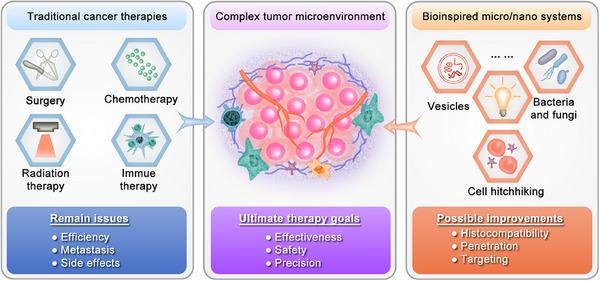
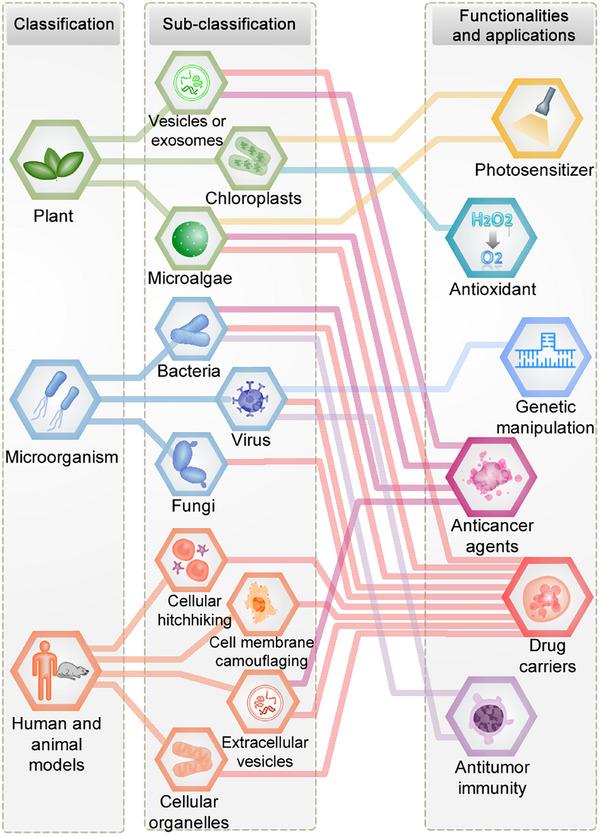
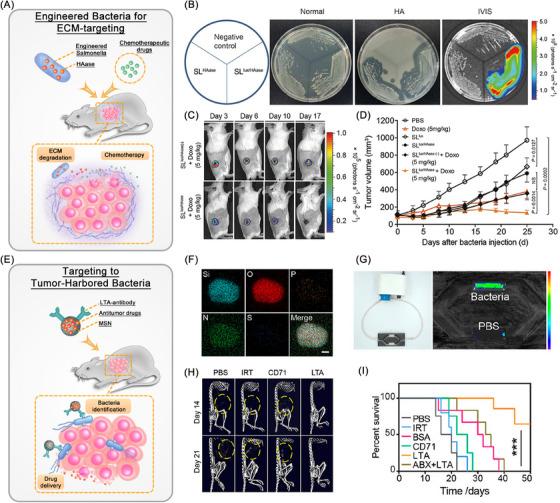
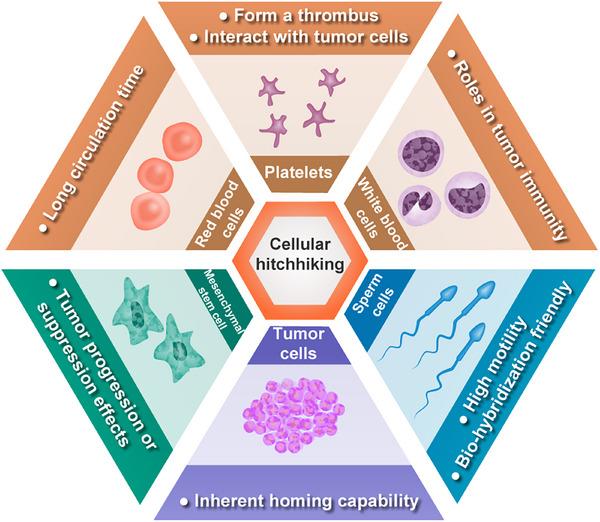
Numerous organisms in nature have demonstrated enhanced biocompatibility, precise tumor targeting capabilities, and efficient tissue traversal within the human body. Drawing inspiration from these organisms, researchers have employed bioengineering, bioconjugation, and micro- or nanotechnology to fabricate bioinspired micro- and nanostructured systems. These systems play a crucial role in addressing the limitations of conventional anticancer drugs and nanomaterials concerning biocompatibility, effective penetration of physiological barriers, as well as selective tumor targeting, thereby leading to improved therapeutic efficacy while minimizing nonspecific adverse effects on healthy cells. Consequently, extensive exploration of these bioinspired micro- and nanostructured systems has been undertaken across various cancer treatment modalities with some progressing into preclinical or clinical stages. However, our understanding of this field remains limited which may impede research progress, clinical translation efforts, and practical applications. Therefore, this study presents a systematic classification of bioinspired micro- and nanostructured systems for cancer therapy that comprehensively elucidates their sources of inspiration and design principles. Furthermore, it extensively discusses the current status of clinical translation efforts while identifying prevailing challenges and exploring future prospects. This work will establish a robust theoretical framework and serve as a valuable reference to facilitate advancements in research and clinical application within this field.
自然界中的许多生物体已展现出增强的生物相容性、精确的肿瘤靶向能力以及在人体内高效的组织穿透能力。受这些生物体的启发,研究人员利用生物工程、生物偶联以及微纳技术来制造受生物启发的微纳结构系统。这些系统在解决传统抗癌药物和纳米材料在生物相容性、有效穿透生理屏障以及选择性肿瘤靶向方面的局限性方面发挥着关键作用,从而在将对健康细胞的非特异性副作用降至最低的同时提高治疗效果。因此,已经在各种癌症治疗模式中对这些受生物启发的微纳结构系统进行了广泛探索,其中一些已进入临床前或临床阶段。然而,我们对该领域的了解仍然有限,这可能会阻碍研究进展、临床转化工作以及实际应用。因此,本研究对用于癌症治疗的受生物启发的微纳结构系统进行了系统分类,全面阐明了它们的灵感来源和设计原则。此外,它还广泛讨论了临床转化工作的现状,同时确定了当前存在的挑战并探索了未来前景。这项工作将建立一个强大的理论框架,并作为一个有价值的参考,以促进该领域研究和临床应用的进展。

 Zotero 插件