
生物制剂在预防龋齿中的战略作用:一项范围综述
The strategic role of biotics in dental caries prevention: A scoping review.
作者信息
Banakar Morteza, Fernandes Gustavo Vicentis Oliveira, Etemad-Moghadam Shahroo, Frankenberger Roland, Pourhajibagher Maryam, Mehran Majid, Yazdi Mohammad Hossein, Haghgoo Roza, Alaeddini Mojgan
机构信息
Dental Research Center, Dentistry Research Institute Tehran University of Medical Sciences Tehran Iran.
Department of Pediatric Dentistry, Faculty of Dentistry Shahed University Tehran Iran.
出版信息
Food Sci Nutr. 2024 Sep 26;12(11):8651-8674. doi: 10.1002/fsn3.4473. eCollection 2024 Nov.
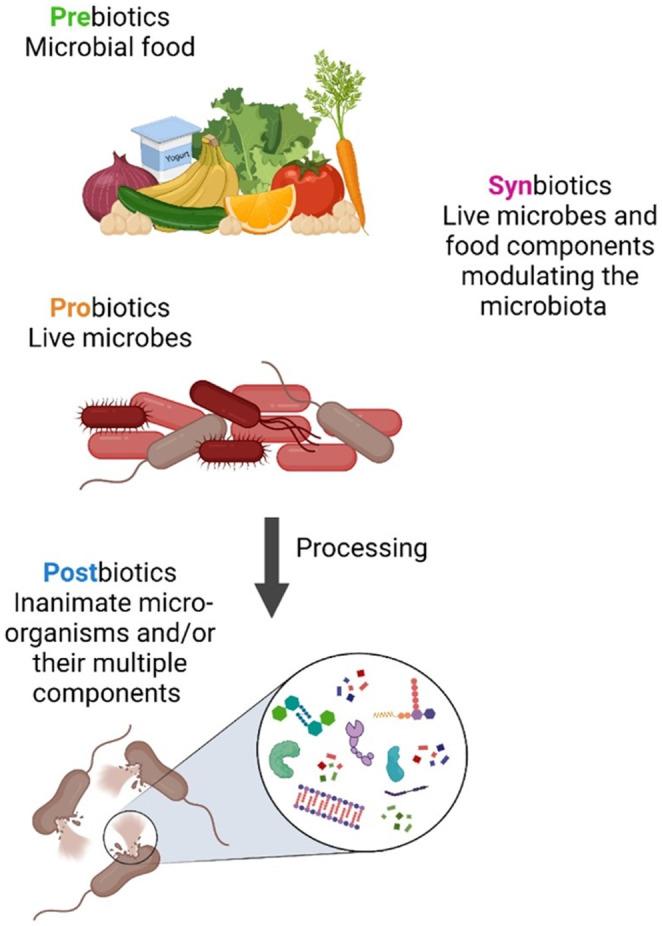
Dental caries is a global oral health issue that is prevalent and preventable. Biotics (probiotics, prebiotics, symbiotics, and postbiotics) are recommended as low-cost methods for preventing dental caries. This scoping review aimed to critically review the scientific evidence concerning the role of biotics in caries prevention and maintaining oral health benefits. A systematic search was conducted in several databases from 2012 onward, using specific keywords. The search resulted in 69 articles. While there is limited research on the mechanism of biotics in preventing caries, numerous studies have investigated the impacts of probiotics on decreasing caries risk factors. Probiotics can reduce cariogenic bacteria, reduce acidogenic bacteria, increase pH, and produce antimicrobial compounds. Probiotics can be used as a therapeutic approach to manage caries by restoring eubiosis at the host-microbial interface, which may not be accomplished with traditional therapies. Its positive effect on reducing dental caries is influenced by the choice of potent probiotic strains, appropriate dosage, treatment period, vehicle, and microbial interaction with the host. Specific oral bacteria have also been shown to utilize prebiotics such as urea and arginine, increasing pH levels. This highlights the potential of combining prebiotic and probiotic bacteria for caries prevention. In addition, this review is focused on bacterial-derived compounds, namely postbiotics, due to their valuable effects in preventing caries. Biotics have demonstrated potential in preventing dental caries and maintaining oral health. Further research is needed to optimize their use and explore the potential of postbiotics for caries prevention.
龋齿是一个全球性的口腔健康问题,普遍存在且可预防。生物活性物质(益生菌、益生元、合生元和后生元)被推荐为预防龋齿的低成本方法。本综述旨在批判性地回顾有关生物活性物质在预防龋齿和维持口腔健康益处方面作用的科学证据。从2012年起在多个数据库中进行了系统检索,使用了特定关键词。检索结果为69篇文章。虽然关于生物活性物质预防龋齿机制的研究有限,但大量研究调查了益生菌对降低龋齿风险因素的影响。益生菌可以减少致龋菌、降低产酸菌数量、提高pH值并产生抗菌化合物。益生菌可以作为一种治疗方法来管理龋齿,通过恢复宿主 - 微生物界面的微生态平衡,而这可能是传统疗法无法实现的。其对减少龋齿的积极作用受到有效益生菌菌株的选择、适当剂量、治疗时间、载体以及微生物与宿主相互作用的影响。特定的口腔细菌也已被证明可以利用尿素和精氨酸等益生元,提高pH值水平。这突出了将益生元和益生菌联合用于预防龋齿的潜力。此外,由于后生元在预防龋齿方面具有重要作用,本综述重点关注细菌衍生的化合物,即后生元。生物活性物质在预防龋齿和维持口腔健康方面已显示出潜力。需要进一步研究以优化其使用,并探索后生元在预防龋齿方面的潜力。




 Zotero 插件