
抗菌神经肽及其在脊椎动物脑部传染病中的治疗潜力。
Antimicrobial neuropeptides and their therapeutic potential in vertebrate brain infectious disease.
作者信息
Li Xiaoke, Chen Kaiqi, Liu Ruonan, Zheng Zhaodi, Hou Xitan
机构信息
Institute of Forensic Medicine and Laboratory Medicine, Jining Medical University, Jining, China.
College of Medical Engineering, Jining Medical University, Jining, China.
出版信息
Front Immunol. 2024 Nov 15;15:1496147. doi: 10.3389/fimmu.2024.1496147. eCollection 2024.
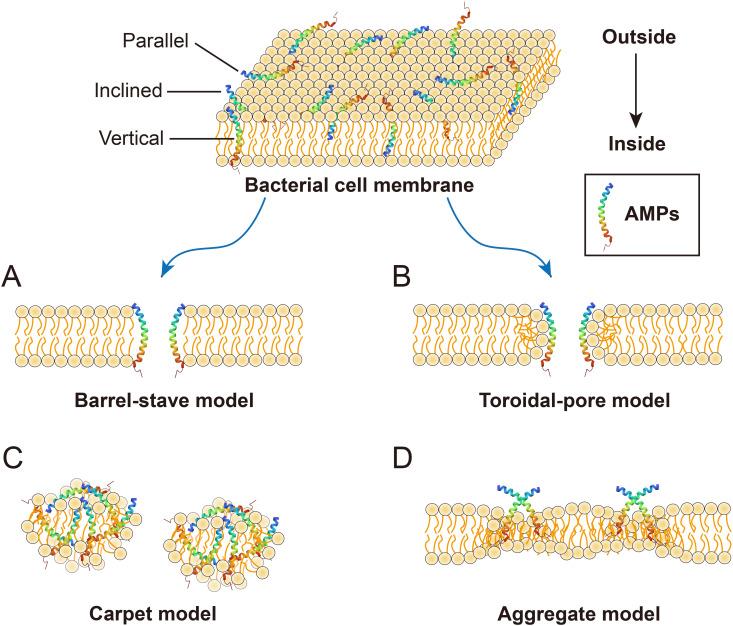
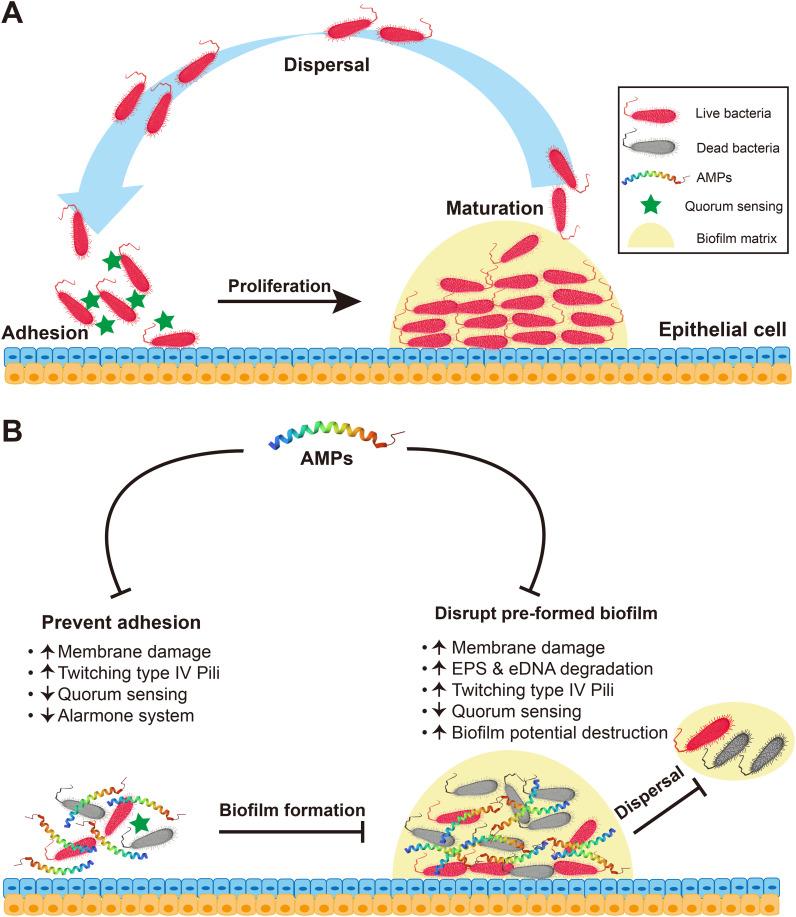
The defense mechanisms of the vertebrate brain against infections are at the forefront of immunological studies. Unlike other body parts, the brain not only fends off pathogenic infections but also minimizes the risk of self-damage from immune cell induced inflammation. Some neuropeptides produced by either nerve or immune cells share remarkable similarities with antimicrobial peptides (AMPs) in terms of size, structure, amino acid composition, amphiphilicity, and net cationic charge. These similarities extend to a wide range of antibacterial activities demonstrated , effectively protecting nerve tissue from microbial threats. This review systematically examines 12 neuropeptides, pituitary adenylate cyclase-activating peptide (PACAP), vasoactive intestinal peptide (VIP), α-melanocyte stimulating hormone (α-MSH), orexin-B (ORXB), ghrelin, substance P (SP), adrenomedullin (AM), calcitonin-gene related peptide (CGRP), urocortin-II (UCN II), neuropeptide Y (NPY), NDA-1, and catestatin (CST), identified for their antimicrobial properties, summarizing their structural features, antimicrobial effectiveness, and action mechanisms. Importantly, the majority of these antimicrobial neuropeptides (9 out of 12) also possess significant anti-inflammatory properties, potentially playing a key role in preserving immune tolerance in various disorders. However, the connection between this anti-inflammatory property and the brain's infection defense strategy has rarely been explored. Our review suggests that the combined antimicrobial and anti-inflammatory actions of neuropeptides could be integral to the brain's defense strategy against pathogens, marking an exciting direction for future research.
脊椎动物大脑针对感染的防御机制处于免疫学研究的前沿。与身体其他部位不同,大脑不仅能抵御病原体感染,还能将免疫细胞诱导的炎症造成自身损伤的风险降至最低。由神经细胞或免疫细胞产生的一些神经肽在大小、结构、氨基酸组成、两亲性和净阳离子电荷方面与抗菌肽(AMPs)有着显著的相似性。这些相似性延伸到已证实的广泛抗菌活性,有效保护神经组织免受微生物威胁。本综述系统地研究了12种神经肽,即垂体腺苷酸环化酶激活肽(PACAP)、血管活性肠肽(VIP)、α-黑素细胞刺激素(α-MSH)、食欲素-B(ORXB)、胃饥饿素、P物质(SP)、肾上腺髓质素(AM)、降钙素基因相关肽(CGRP)、尿皮质素-II(UCN II)、神经肽Y(NPY)、NDA-1和卡铁抑素(CST),因其抗菌特性而被识别,总结了它们的结构特征、抗菌效果和作用机制。重要的是,这些抗菌神经肽中的大多数(12种中的9种)也具有显著的抗炎特性,可能在各种疾病中维持免疫耐受方面发挥关键作用。然而,这种抗炎特性与大脑感染防御策略之间的联系很少被探讨。我们的综述表明,神经肽的抗菌和抗炎联合作用可能是大脑抵御病原体防御策略的组成部分,这标志着一个令人兴奋的未来研究方向。


 Zotero 插件