
从海洋蓝细菌中发现和开发抗癌药物的进展。
Progress in the discovery and development of anticancer agents from marine cyanobacteria.
作者信息
Luesch Hendrik, Ellis Emma K, Chen Qi-Yin, Ratnayake Ranjala
机构信息
Department of Medicinal Chemistry and Center for Natural Products, Drug Discovery and Development (CNPD3), University of Florida, 1345 Center Drive, Gainesville, Florida 32610, USA.
Program in Cancer and Stem Cell Biology, Duke-NUS Medical School, Singapore, 169857, Singapore.
出版信息
Nat Prod Rep. 2025 Feb 19;42(2):208-256. doi: 10.1039/d4np00019f.
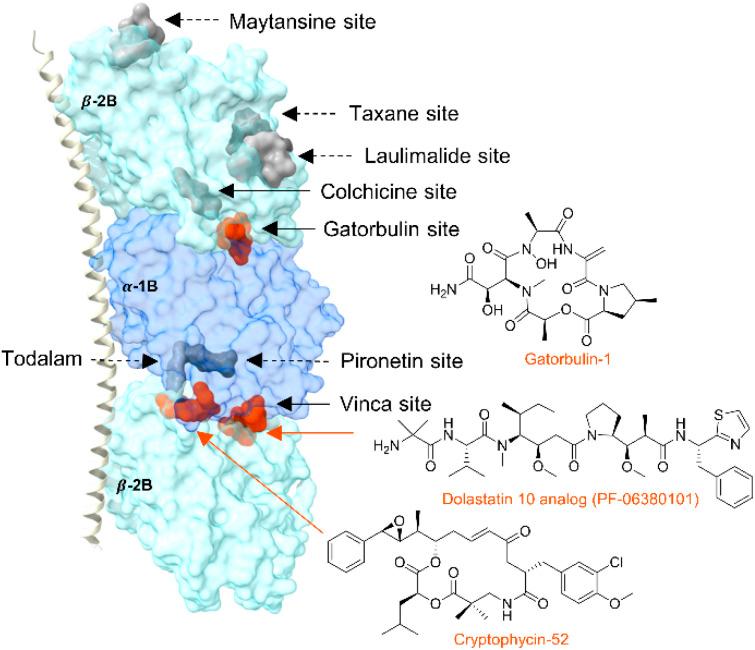
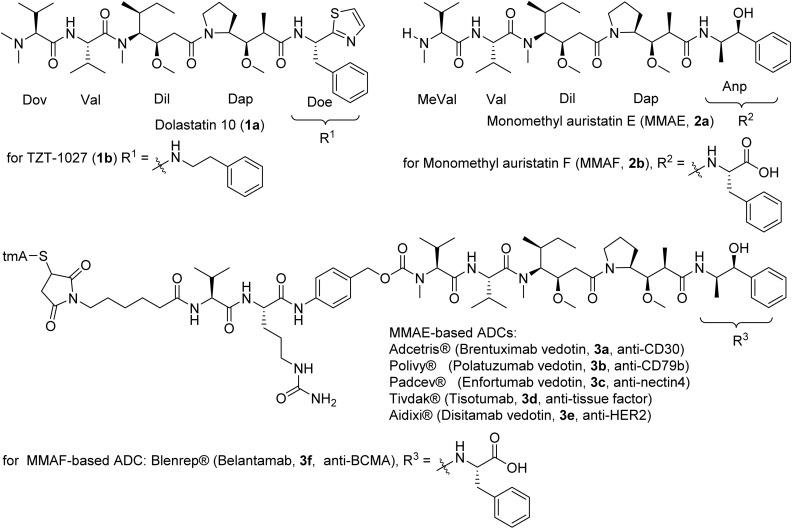
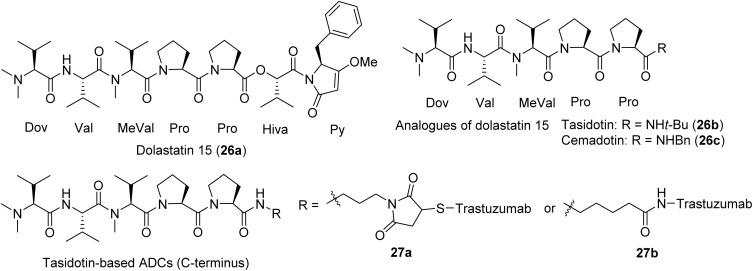
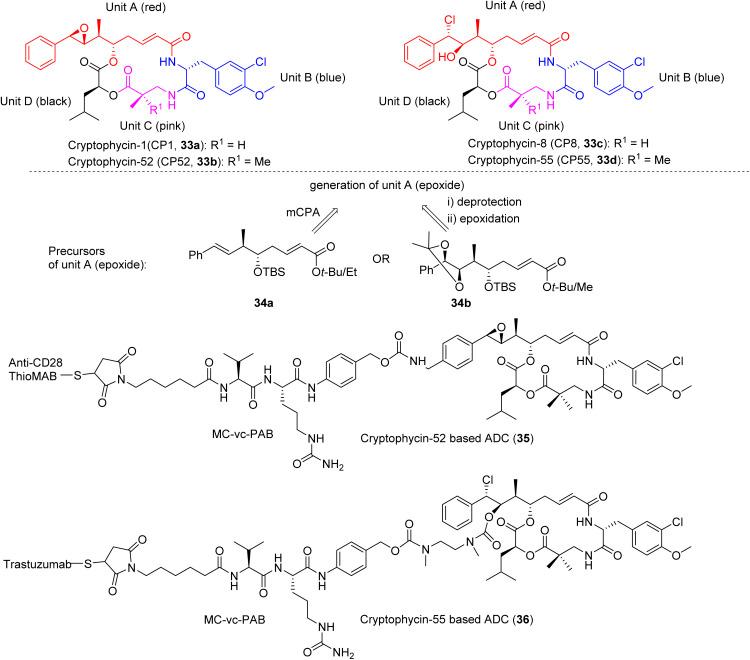
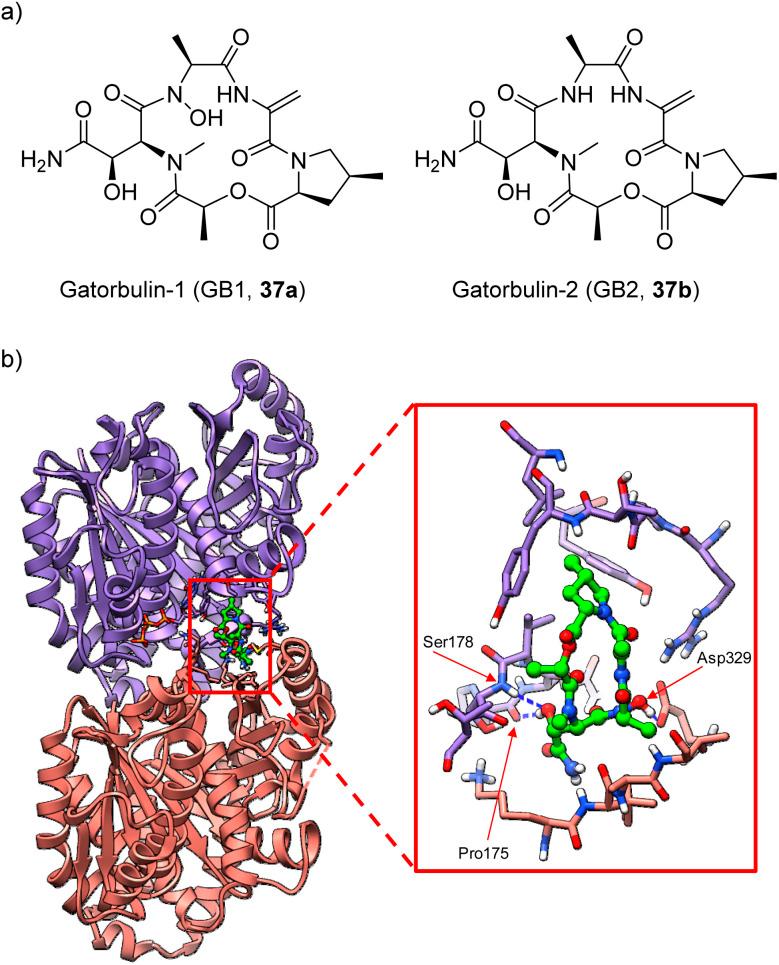
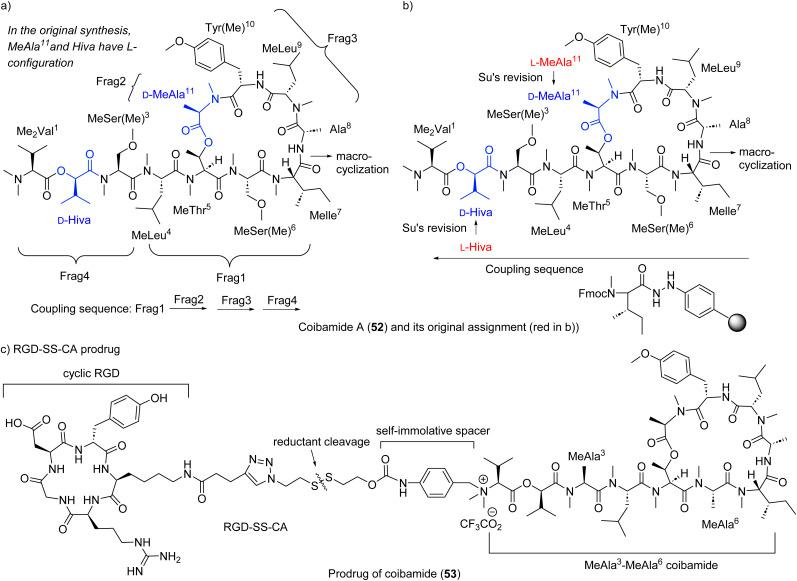
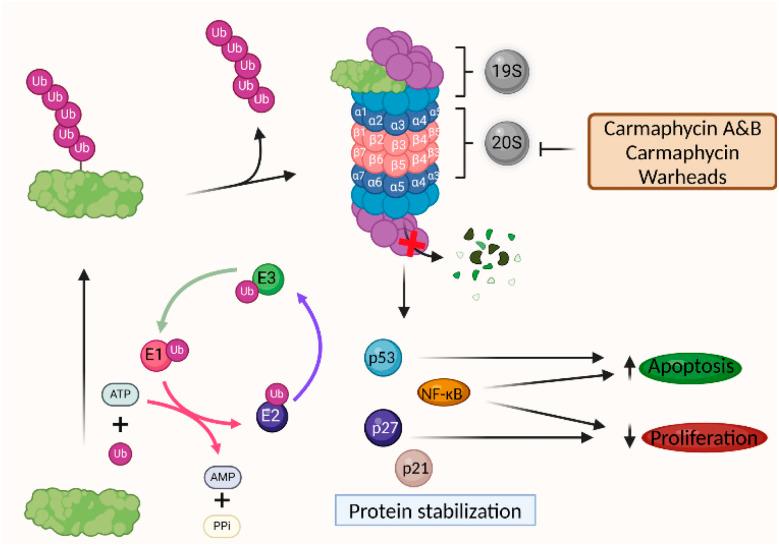
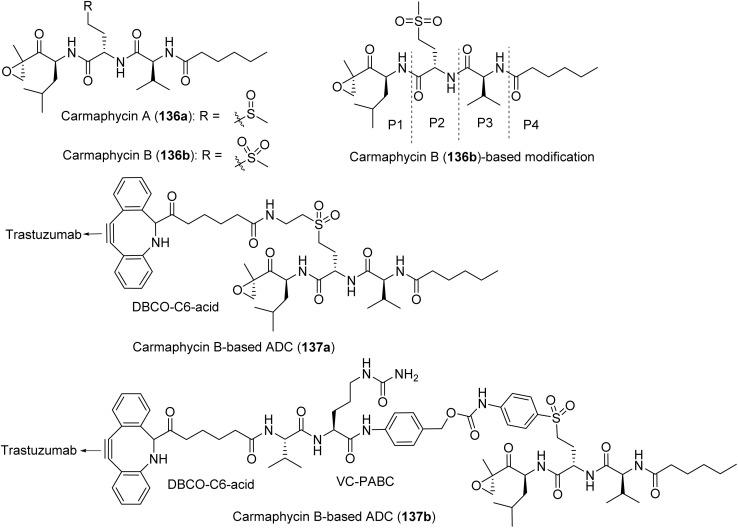
Covering 2010-April 2024There have been tremendous new discoveries and developments since 2010 in anticancer research based on marine cyanobacteria. Marine cyanobacteria are prolific sources of anticancer natural products, including the tubulin agents dolastatins 10 and 15 which were originally isolated from a mollusk that feeds on cyanobacteria. Decades of research have culminated in the approval of six antibody-drug conjugates (ADCs) and many ongoing clinical trials. Antibody conjugation has been enabling for several natural products, particularly cyanobacterial cytotoxins. Targeting tubulin dynamics has been a major strategy, leading to the discovery of the gatorbulin scaffold, acting on a new pharmacological site. Cyanobacterial compounds with different mechanisms of action (MOA), targeting novel or validated targets in a range of organelles, also show promise as anticancer agents. Important advances include the development of compounds with novel MOA, including apratoxin and coibamide A analogues, modulating cotranslational translocation at the level of Sec61 in the endoplasmic reticulum, largazole and santacruzamate A targeting class I histone deacetylases, and proteasome inhibitors based on carmaphycins, resembling the approved drug carfilzomib. The pipeline extends with SERCA inhibitors, mitochondrial cytotoxins and membrane-targeting agents, which have not yet advanced clinically since the biology is less understood and selectivity concerns remain to be addressed. In addition, efforts have also focused on the identification of chemosensitizing and antimetastatic agents. The review covers the state of current knowledge of marine cyanobacteria as anticancer agents with a focus on the mechanism, target identification and potential for drug development. We highlight the importance of solving the supply problem through chemical synthesis as well as illuminating the biological activity and in-depth mechanistic studies to increase the value of cyanobacterial natural products to catalyze their development.
涵盖2010年至2024年4月
自2010年以来,基于海洋蓝藻的抗癌研究取得了巨大的新发现和进展。海洋蓝藻是抗癌天然产物的丰富来源,包括微管蛋白剂多拉司他汀10和15,它们最初是从以蓝藻为食的软体动物中分离出来的。数十年的研究最终促成了六种抗体药物偶联物(ADC)的获批以及许多正在进行的临床试验。抗体偶联技术已使几种天然产物,特别是蓝藻细胞毒素得以应用。靶向微管蛋白动力学一直是主要策略,从而发现了作用于新药理学位点的gatorbulin支架。具有不同作用机制(MOA)、靶向一系列细胞器中新型或已验证靶点的蓝藻化合物,也显示出作为抗癌剂的潜力。重要进展包括开发具有新型MOA的化合物,如阿普拉毒素和柯拜酰胺A类似物,它们在内质网中Sec61水平调节共翻译易位;拉加唑和圣克鲁扎酯A靶向I类组蛋白脱乙酰酶;以及基于卡马霉素的蛋白酶体抑制剂,类似于已获批药物卡非佐米。研发管道还包括肌浆网钙ATP酶(SERCA)抑制剂、线粒体细胞毒素和膜靶向剂,由于对其生物学了解较少且选择性问题仍有待解决,这些药物尚未进入临床阶段。此外,研究工作还集中在化学增敏剂和抗转移剂的鉴定上。本综述涵盖了海洋蓝藻作为抗癌剂的当前知识状态,重点关注其作用机制、靶点鉴定和药物开发潜力。我们强调通过化学合成解决供应问题以及阐明生物活性和深入进行机制研究以提高蓝藻天然产物价值从而推动其开发的重要性。















 Zotero 插件