
靶向RNA识别基序治疗面临的挑战。
Challenges in Therapeutically Targeting the RNA-Recognition Motif.
作者信息
Schmeing Stefan, Hart Peter 't
机构信息
Chemical Genomics Centre of the Max Planck Society, Max Planck Institute of Molecular Physiology, Dortmund, Germany.
出版信息
Wiley Interdiscip Rev RNA. 2024 Nov-Dec;15(6):e1877. doi: 10.1002/wrna.1877.
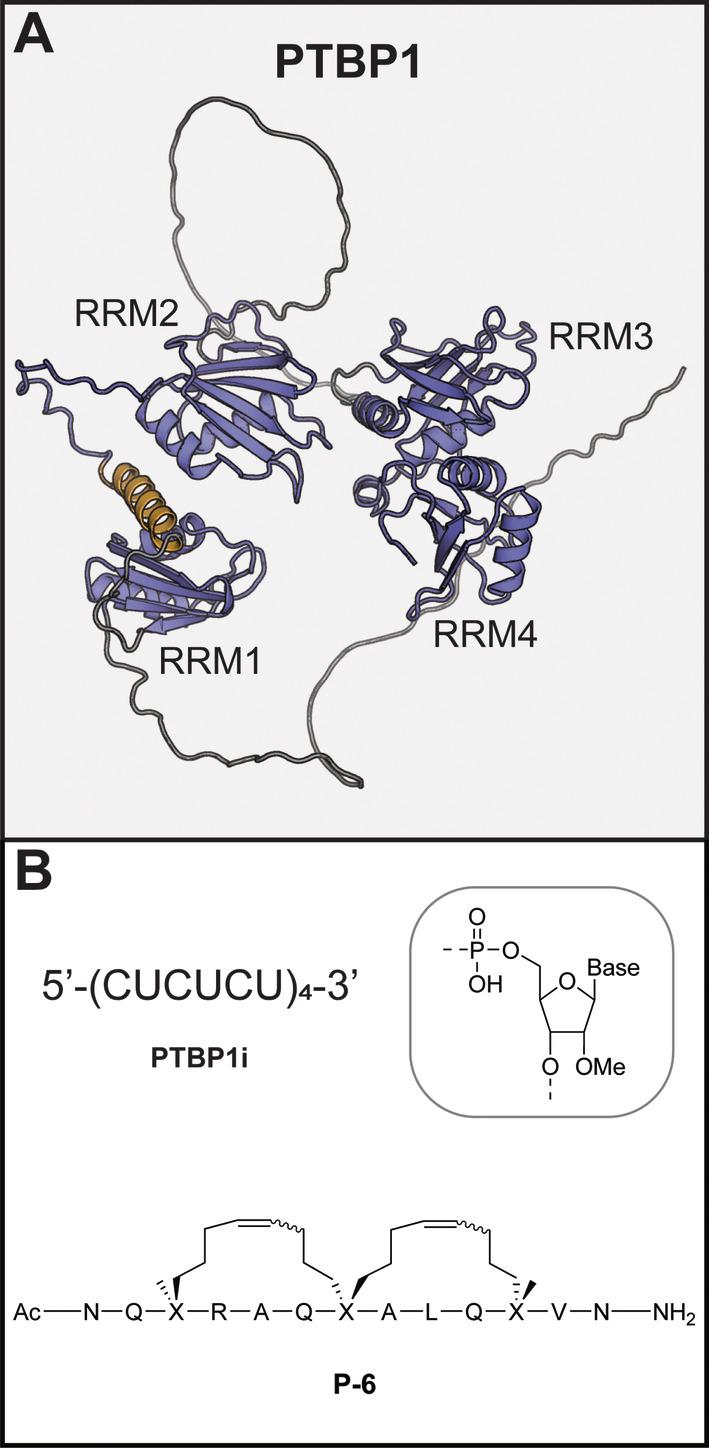
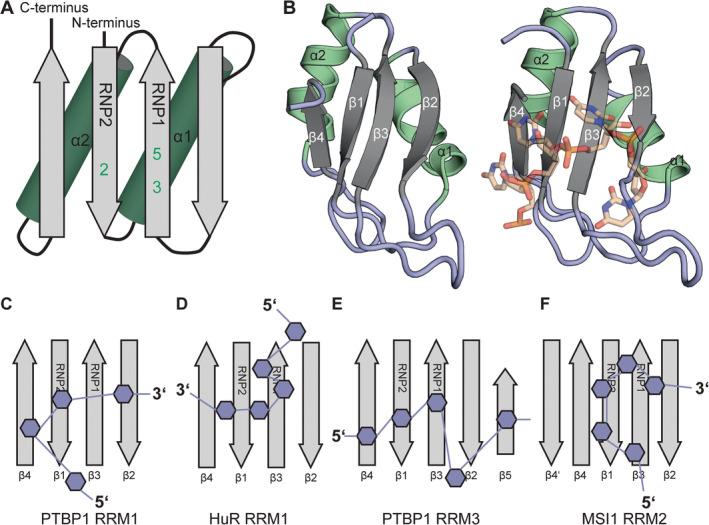
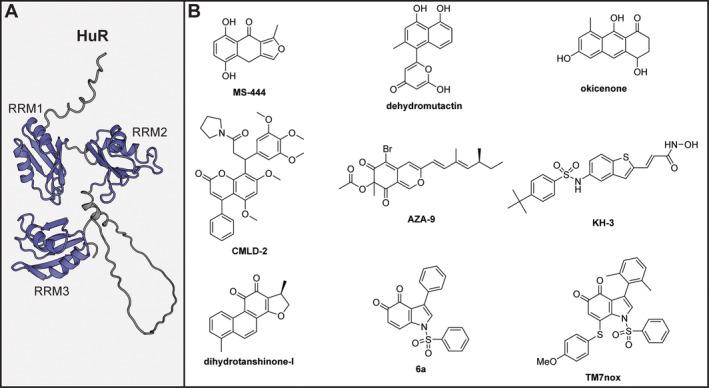
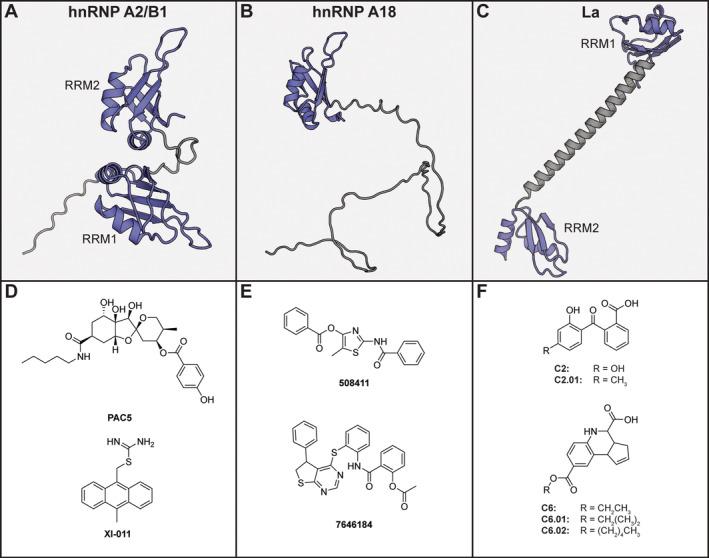
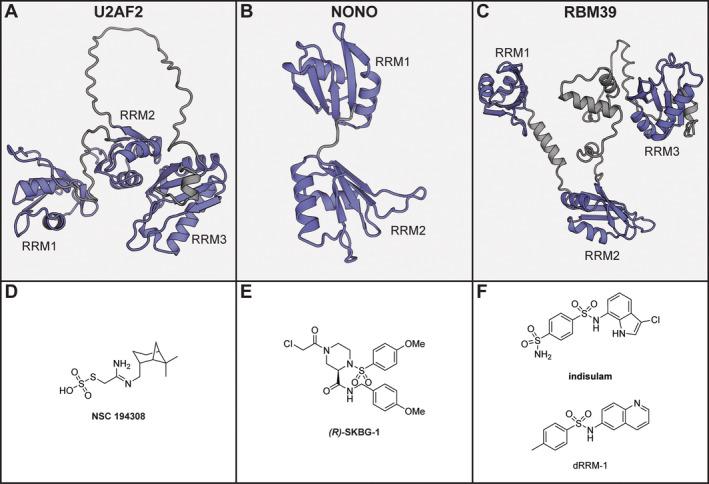
The RNA recognition motif (RRM) is the most common RNA binding domain found in the human proteome. RRM domains provide RNA-binding proteins with sequence specific RNA recognition allowing them to participate in RNA-centric processes such as mRNA maturation, translation initiation, splicing, and RNA degradation. They are drivers of various diseases through overexpression or mutation, making them attractive therapeutic targets and addressing these proteins through their RRM domains with chemical compounds is gaining ever more attention. However, it is still very challenging to find selective and potent RNA-competitors due to the small size of the domain and high structural conservation of its RNA binding interface. Despite these challenges, a selection of compounds has been reported for several RRM containing proteins, but often with limited biophysical evidence and low selectivity. A solution to selectively targeting RRM domains might be through avoiding the RNA-binding surface altogether, but rather look for composite pockets formed with other proteins or for protein-protein interaction sites that regulate the target's activity but are less conserved. Alternative modalities, such as oligonucleotides, peptides, and molecular glues, are exciting new approaches to address these challenging targets and achieve the goal of therapeutic intervention at the RNA regulatory level.
RNA识别基序(RRM)是人类蛋白质组中最常见的RNA结合结构域。RRM结构域为RNA结合蛋白提供序列特异性RNA识别能力,使其能够参与以RNA为中心的过程,如mRNA成熟、翻译起始、剪接和RNA降解。它们通过过表达或突变成为各种疾病的驱动因素,这使得它们成为有吸引力的治疗靶点,并且通过化学化合物靶向这些蛋白质的RRM结构域正日益受到关注。然而,由于该结构域尺寸小且其RNA结合界面的结构高度保守,寻找选择性强且有效的RNA竞争剂仍然极具挑战性。尽管存在这些挑战,已经报道了针对几种含有RRM的蛋白质的一系列化合物,但通常生物物理证据有限且选择性较低。选择性靶向RRM结构域的一种解决方案可能是完全避开RNA结合表面,而是寻找与其他蛋白质形成的复合口袋或调节靶标活性但保守性较低的蛋白质-蛋白质相互作用位点。诸如寡核苷酸、肽和分子胶等替代方式是解决这些具有挑战性的靶点并在RNA调控水平实现治疗干预目标的令人兴奋的新方法。



 Zotero 插件