
解决新冠病毒检测延误问题:人乳头瘤病毒自检对宫颈癌筛查项目中未就诊者的影响
Addressing COVID-19 Screening Delays: The Impact of HPV Self-Sampling on Non-Attenders in a Cervical Cancer Screening Program.
作者信息
Chiereghin Angela, Pizzi Lorenzo, Buriani Carolina, Sanna Tiziana, Amico Andrea, Squillace Lorena, Molinari Elena, Florean Maria Siponta, Lanza Giovanni, Mezzetti Francesca
机构信息
Governance of Screening Programs Unit, Local Health Authority of Bologna, 40124 Bologna, Italy.
Anatomic Pathology Unit, University Hospital of Ferrara, 44124 Ferrara, Italy.
出版信息
Cancers (Basel). 2024 Dec 5;16(23):4071. doi: 10.3390/cancers16234071.
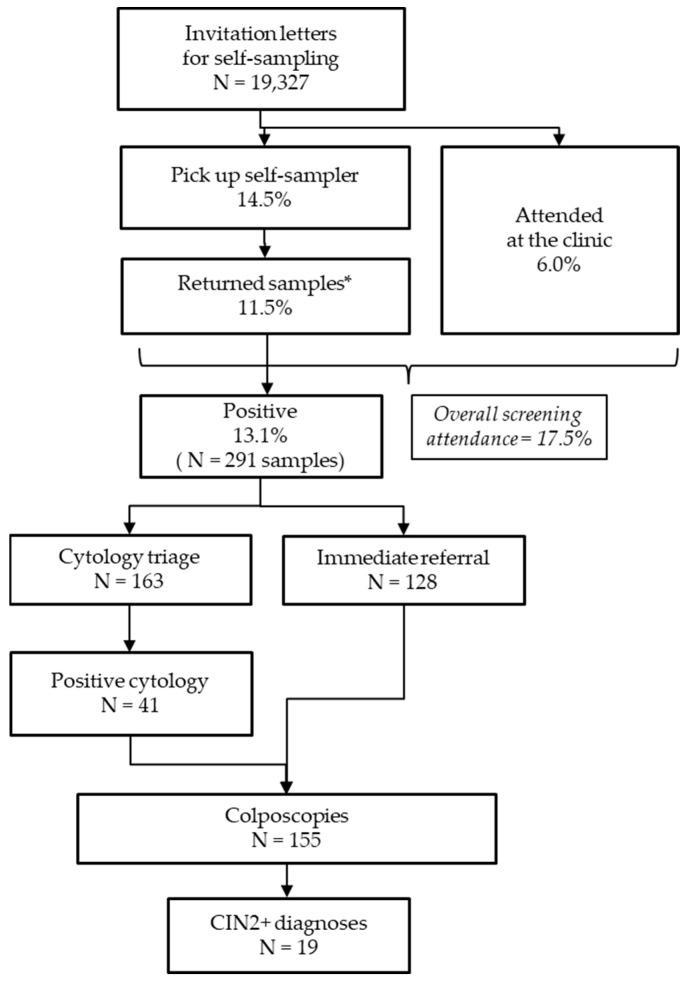
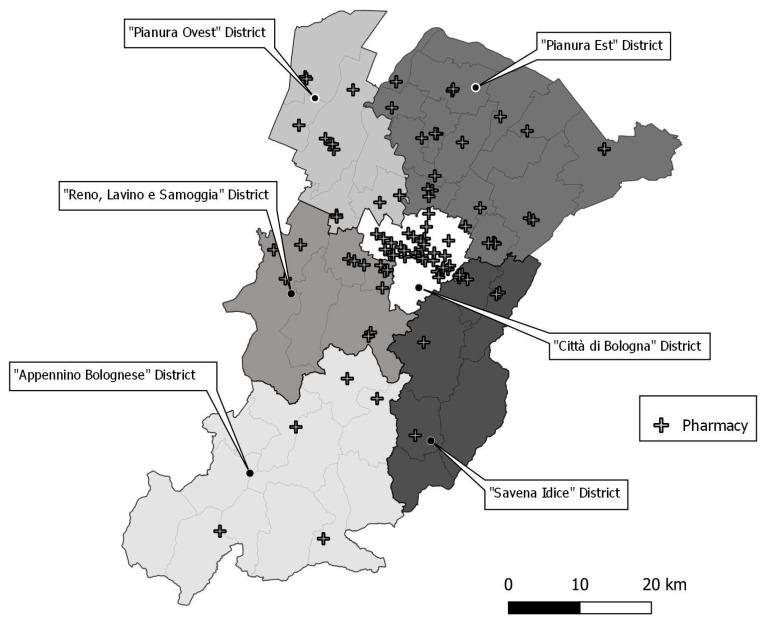
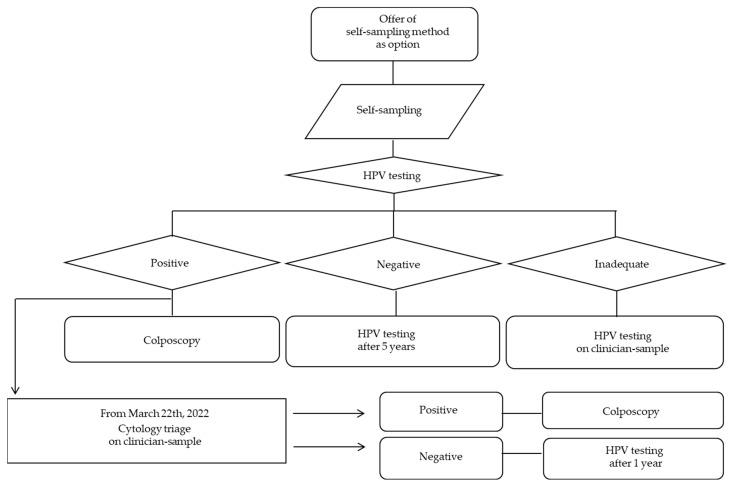
: Self-sampling is recognized as a viable alternative to clinician-sampling for HPV primary screening. This study aimed to assess, within an Italian organized cervical cancer screening program, the acceptance and ease of use of self-sampling and the adherence to follow-up. The prevalences of HPV infection, cervical dysplasia, and cancer were contextually evaluated. : Electronic records of 19,327 women, 30-64 years-old, residing within the Bologna Local Health Authority territory, who were offered self-sampling as an alternative to clinician-sampling, were retrospectively reviewed. They had never or irregularly attended and were overdue for a screening invitation due to the COVID-19 pandemic. An opt-in approach was adopted, involving local pharmacies for kit delivery and sample collection. Initially, HPV-positive results led to direct referral to colposcopy; later, cytological triage on clinician-samples was provided. : Self-sampling reached over twice as many women (11.5%) compared to historical clinician-sampling alone (<5%), showing high acceptance. Additionally, a high screening completion level was observed, with 79.5% of self-samples returned to pharmacies. A low percentage of self-samples resulted in inadequate results (1.1%), suggesting the method's ease of use. HPV-positivity was 13.1%, higher than the 9.9% recorded in the ordinary screening population in 2019 ( < 0.001), the last year before the pandemic. Compliance to both immediate colposcopy and cytology triage exceeded 90% ( = 0.675). The rate of cervical adenocarcinoma was twice as high as in the routinely screened population in 2019 (0.9‱ versus 0.4‱). Finally, 6% of women opted for clinician appointments. : Self-sampling proved to be an easy-to-use and effective tool for reaching non-attenders, who are at high risk of cancer. Cytology triage on clinician-samples did not negatively impact follow-up adherence. It seems appropriate to maintain a clinician-collection option even among non-attenders.
自我采样被认为是宫颈癌初筛中临床医生采样的一种可行替代方法。本研究旨在评估在意大利有组织的宫颈癌筛查项目中,自我采样的接受度和易用性以及随访依从性。同时评估HPV感染、宫颈发育异常和癌症的患病率。:回顾性审查了19327名30 - 64岁居住在博洛尼亚地方卫生局辖区内的女性的电子记录,这些女性被提供自我采样作为临床医生采样的替代方法。由于新冠疫情,她们从未或不定期参加筛查且筛查邀请逾期。采用了选择加入的方法,由当地药店提供检测试剂盒并收集样本。最初,HPV阳性结果会直接转诊至阴道镜检查;后来,对临床医生采集的样本进行了细胞学分流。:与仅采用历史临床医生采样(<5%)相比,自我采样覆盖的女性人数是其两倍多(11.5%),显示出较高的接受度。此外,观察到较高的筛查完成水平,79.5%的自我采样样本被送回药店。自我采样样本结果不充分的比例较低(1.1%),表明该方法易用性良好。HPV阳性率为13.1%,高于2019年(疫情前的最后一年)普通筛查人群中记录的9.9%(<0.001)。对立即进行阴道镜检查和细胞学分流的依从性均超过90%(=0.675)。宫颈腺癌的发生率是2019年常规筛查人群的两倍(0.9‱ 对0.4‱)。最后,6%的女性选择了临床医生预约。:自我采样被证明是一种易于使用且有效的工具,可覆盖癌症高危的未参加筛查者。对临床医生采集样本进行细胞学分流对随访依从性没有负面影响。即使在未参加筛查者中保留临床医生采集选项似乎也是合适的。
 Zotero 插件