
黑色素瘤中的肿瘤浸润淋巴细胞:从预后评估到治疗应用
Tumor-infiltrating lymphocytes in melanoma: from prognostic assessment to therapeutic applications.
作者信息
Bida Meshack, Miya Thabiso Victor, Hull Rodney, Dlamini Zodwa
机构信息
Division of Anatomical Pathology, National Health Laboratory Service, University of Pretoria, Hatfield, South Africa.
SAMRC Precision Oncology Research Unit (PORU), DSI/NRF SARChI Chair in Precision Oncology and Cancer Prevention (POCP), Pan African Cancer Research Institute (PACRI), University of Pretoria, Hatfield, South Africa.
出版信息
Front Immunol. 2024 Dec 6;15:1497522. doi: 10.3389/fimmu.2024.1497522. eCollection 2024.
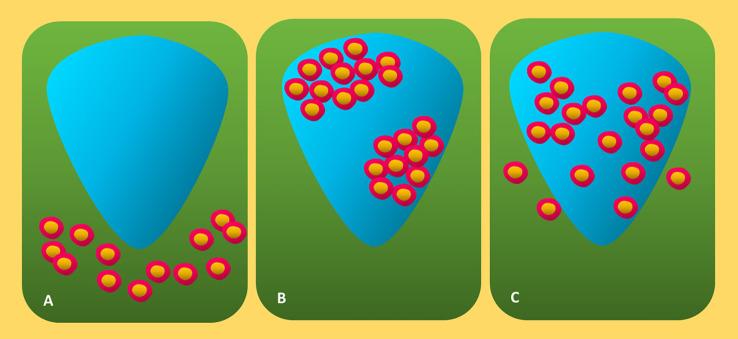
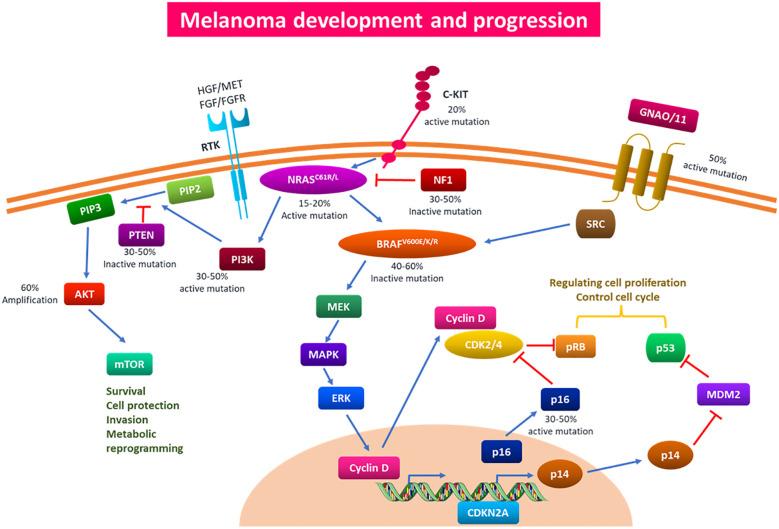
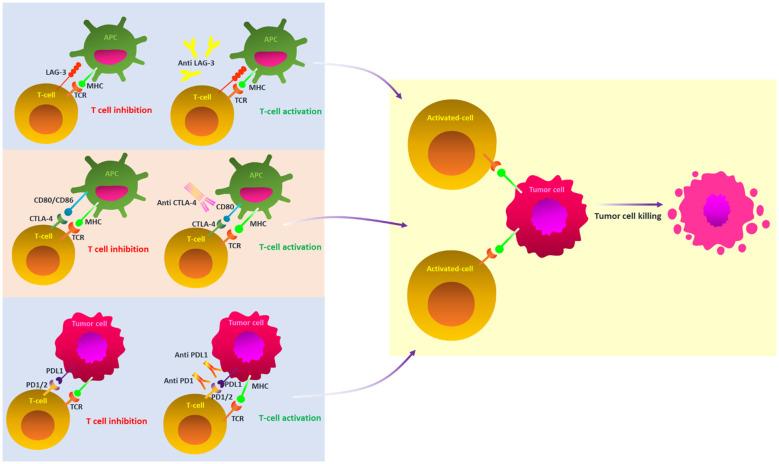
Malignant melanoma, the most aggressive form of skin cancer, is characterized by unpredictable growth patterns, and its mortality rate has remained alarmingly high over recent decades, despite various treatment approaches. One promising strategy for improving outcomes in melanoma patients lies in the early use of biomarkers to predict prognosis. Biomarkers offer a way to gauge patient outlook early in the disease course, facilitating timely, targeted intervention. In recent years, considerable attention has been given to the immune response's role in melanoma, given the tumor's high immunogenicity and potential responsiveness to immunologic treatments. Researchers are focusing on identifying predictive biomarkers by examining both cancer cell biology and immune interactions within the tumor microenvironment (TME). This approach has shed light on tumor-infiltrating lymphocytes (TILs), a type of immune cell found within the tumor. TILs have emerged as a promising area of study for their potential to serve as both a prognostic indicator and therapeutic target in melanoma. The presence of TILs in melanoma tissue can often signal a positive immune response to the cancer, with numerous studies suggesting that TILs may improve patient prognosis. This review delves into the prognostic value of TILs in melanoma, assessing how these immune cells influence patient outcomes. It explores the mechanisms through which TILs interact with melanoma cells and the potential clinical applications of leveraging TILs in treatment strategies. While TILs present a hopeful avenue for prognostication and treatment, there are still challenges. These include understanding the full extent of TIL dynamics within the TME and overcoming limitations in TIL-based therapies. Advancements in TIL characterization methods are also critical to refining TIL-based approaches. By addressing these hurdles, TIL-focused research may pave the way for improved diagnostic and therapeutic options, ultimately offering better outcomes for melanoma patients.
恶性黑色素瘤是皮肤癌中最具侵袭性的一种,其生长模式难以预测。尽管有多种治疗方法,但近几十年来其死亡率一直高得惊人。改善黑色素瘤患者治疗效果的一个有前景的策略是早期使用生物标志物来预测预后。生物标志物提供了一种在疾病进程早期评估患者预后的方法,有助于及时进行有针对性的干预。近年来,鉴于黑色素瘤的高免疫原性以及对免疫治疗的潜在反应性,免疫反应在黑色素瘤中的作用受到了广泛关注。研究人员正致力于通过研究癌细胞生物学和肿瘤微环境(TME)内的免疫相互作用来识别预测性生物标志物。这种方法使人们对肿瘤浸润淋巴细胞(TILs)有了更深入的了解,TILs是在肿瘤内发现的一种免疫细胞。TILs因其在黑色素瘤中作为预后指标和治疗靶点的潜力,已成为一个有前景的研究领域。黑色素瘤组织中TILs的存在通常表明对癌症有积极的免疫反应,大量研究表明TILs可能改善患者预后。本综述深入探讨了TILs在黑色素瘤中的预后价值,评估了这些免疫细胞如何影响患者的治疗结果。它探讨了TILs与黑色素瘤细胞相互作用的机制以及在治疗策略中利用TILs的潜在临床应用。虽然TILs为预后评估和治疗提供了一个有希望的途径,但仍存在挑战。这些挑战包括了解TME内TIL动态的全貌以及克服基于TIL的疗法的局限性。TIL表征方法的进步对于完善基于TIL的方法也至关重要。通过克服这些障碍,以TIL为重点的研究可能为改进诊断和治疗选择铺平道路,最终为黑色素瘤患者带来更好的治疗结果。

 Zotero 插件