
消炎痛和萘普生作为抗癌药物的重新利用:2017年至今的进展
Repurposing of Indomethacin and Naproxen as anticancer agents: progress from 2017 to present.
作者信息
Kassab Asmaa E, Gedawy Ehab M
机构信息
Department of Pharmaceutical Organic Chemistry, Faculty of Pharmacy, Cairo University Kasr El-Aini Street, P. O. Box 11562 Cairo Egypt
Department of Pharmaceutical Chemistry, Faculty of Pharmacy and Pharmaceutical Industries, Badr University in Cairo (BUC) Badr City, P. O. Box 11829 Cairo Egypt.
出版信息
RSC Adv. 2024 Dec 23;14(54):40031-40057. doi: 10.1039/d4ra07581a. eCollection 2024 Dec 17.
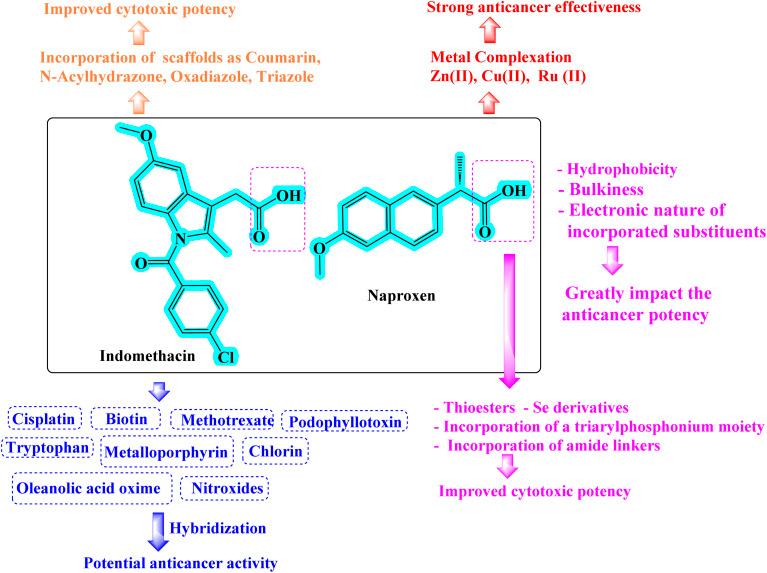
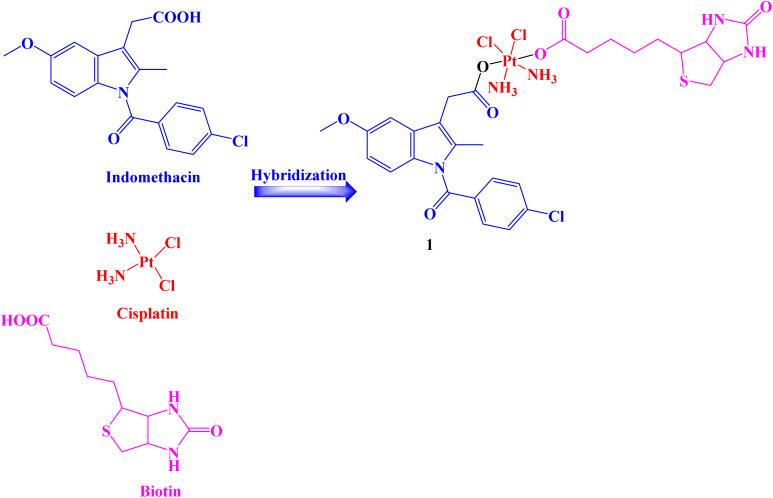
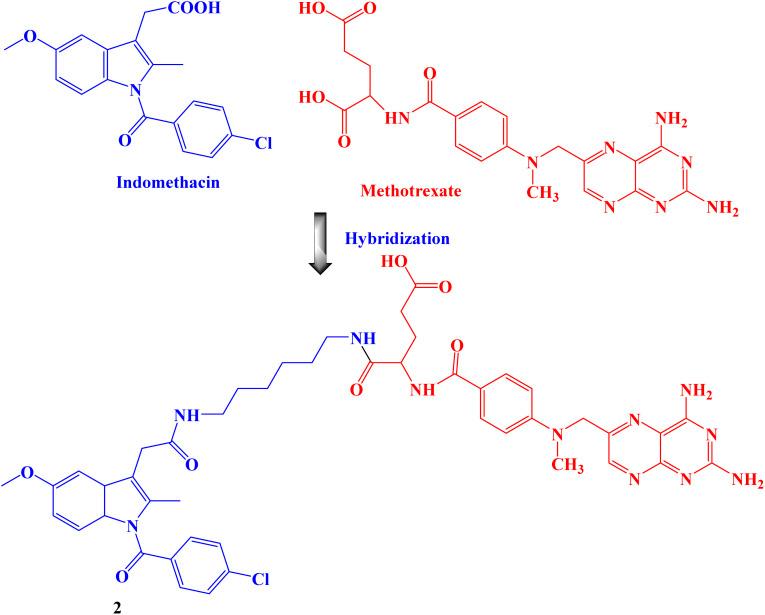
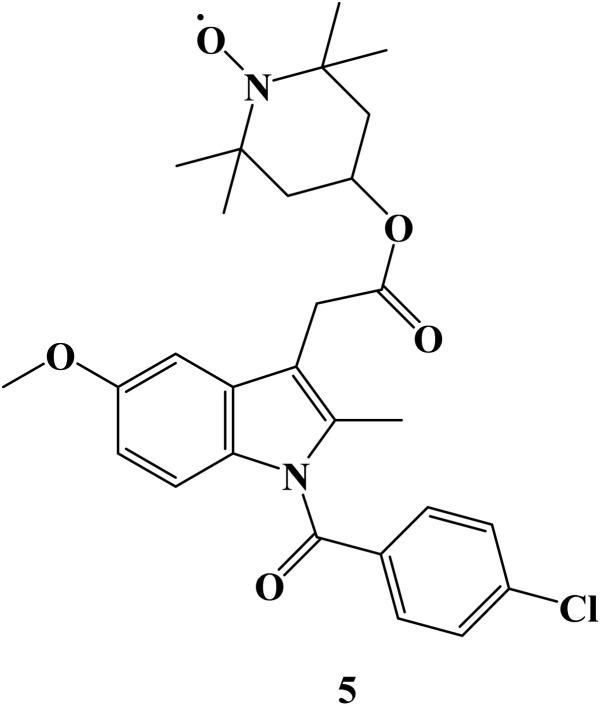
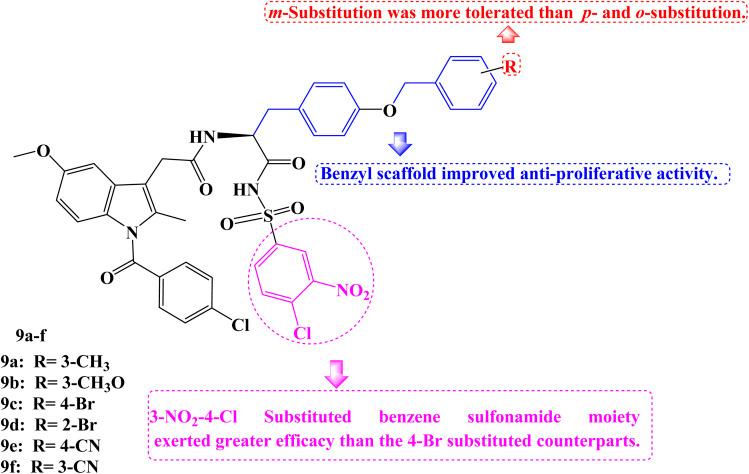
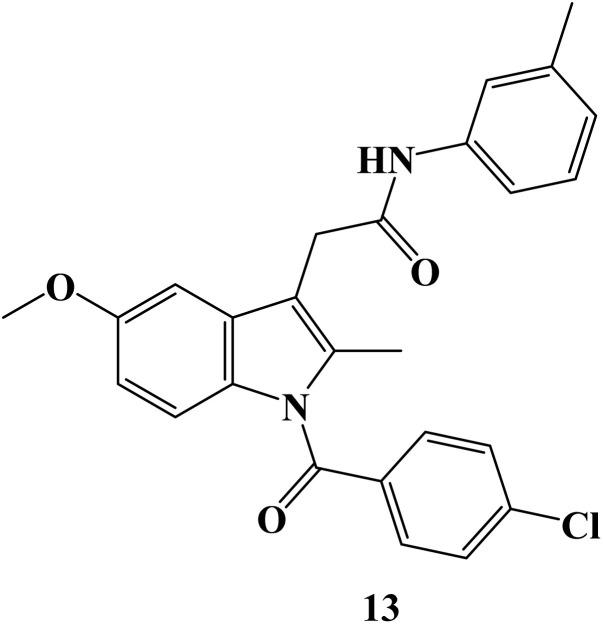
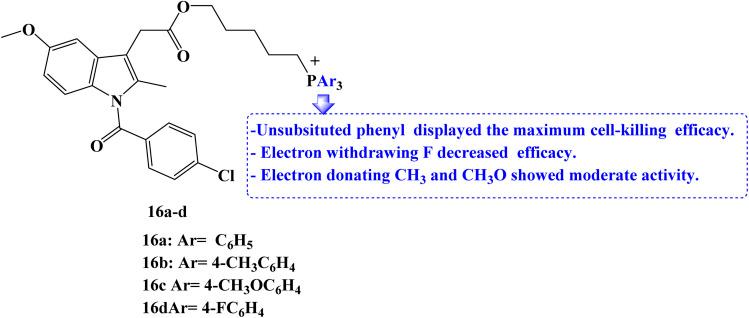
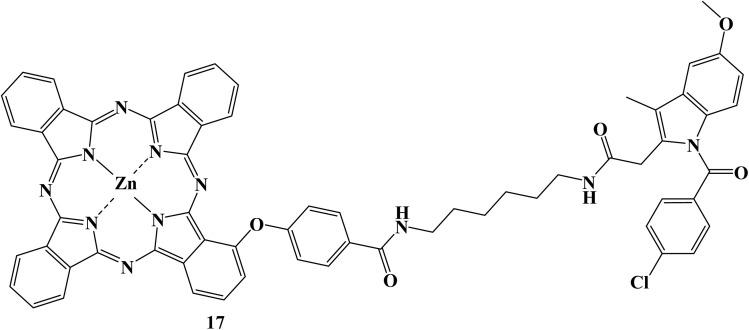
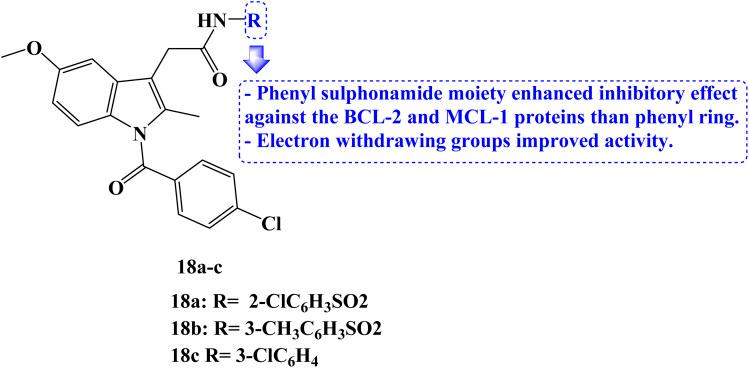
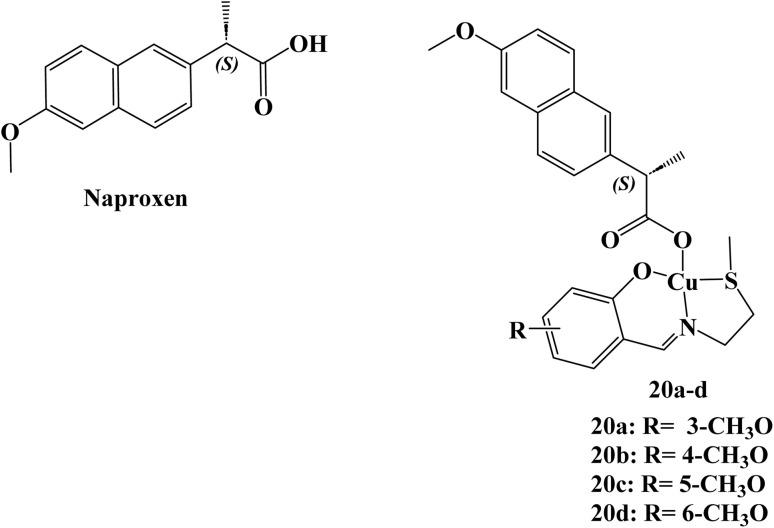
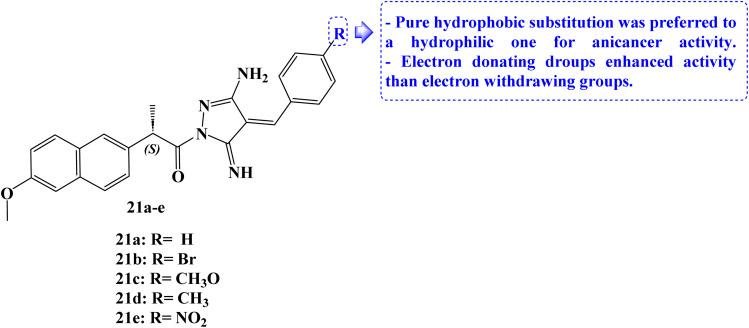
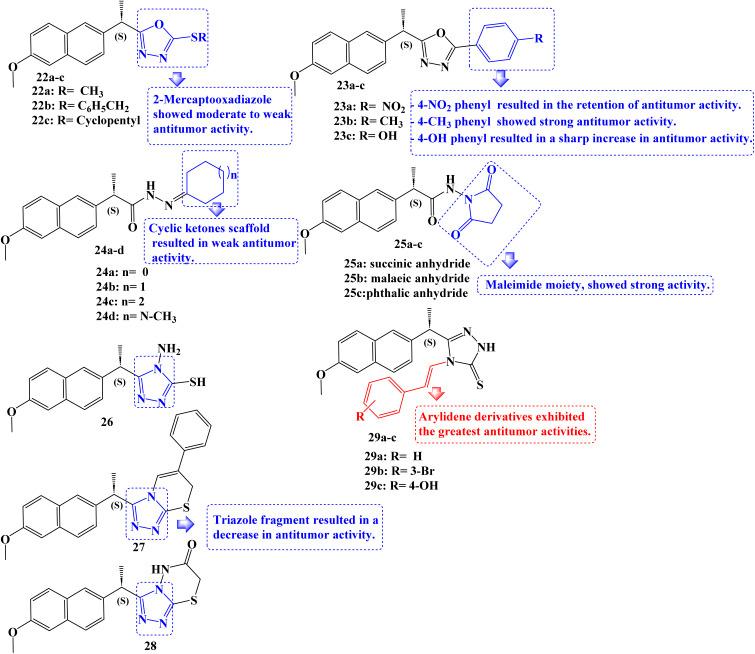
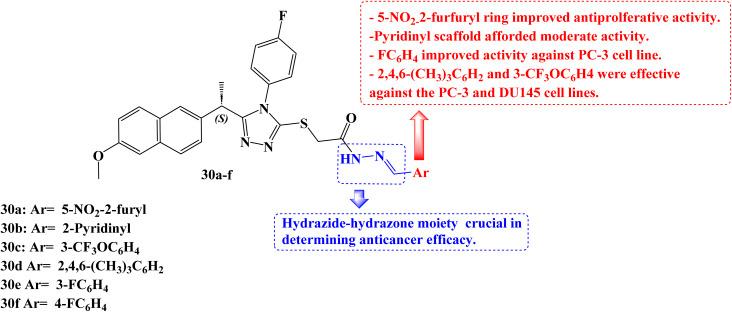
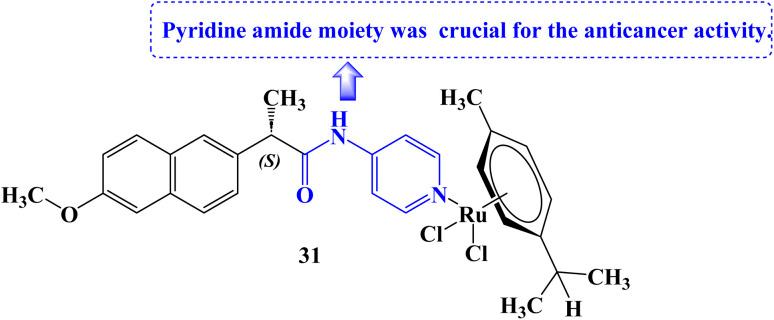
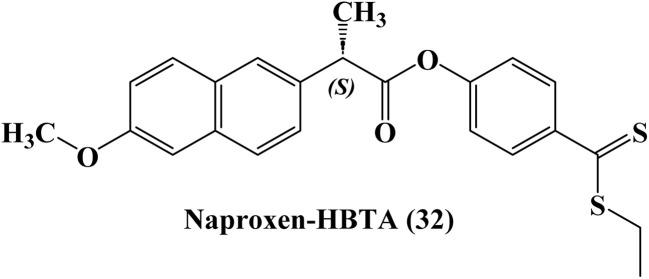
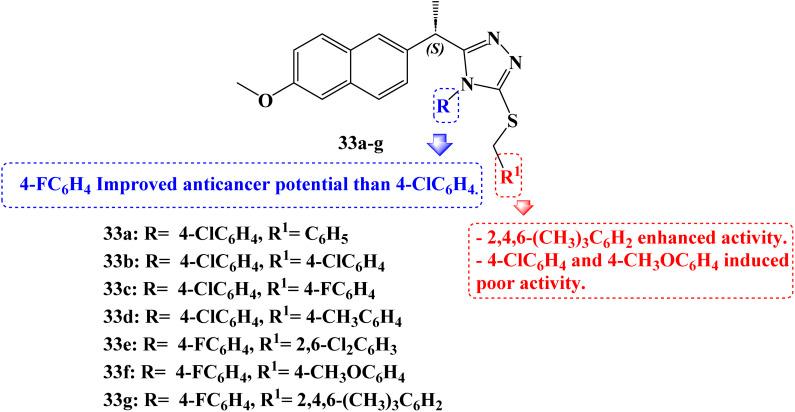
Inflammation is strongly linked to cancer and is essential for the growth and development of tumors. Targeting inflammation and the mediators involved in the inflammatory process could therefore provide a suitable method for cancer prevention and therapy. Numerous studies have shown that inflammation can predispose tumors. Non-steroidal anti-inflammatory drugs (NSAIDs) can affect the tumor microenvironment through increasing apoptosis and chemo-sensitivity while decreasing cell migration. Since the development of novel drugs requires a significant amount of money and time and poses a significant challenge for drug discovery, there has been a recent increase in interest in drug repositioning or repurposing. The growing body of research suggests that drug repurposing is essential for the quicker and less expensive development of anticancer therapies. In order to set the course for potential future repositioning of NSAIDs for clinical deployment in the treatment of cancer, the antiproliferative activity of derivatives of Indomethacin and Naproxen as well as their mechanism of action and structural activity relationships (SARs) published in the time frame from 2017 to 2024 are summarized in this review.
炎症与癌症密切相关,对肿瘤的生长和发展至关重要。因此,针对炎症及炎症过程中涉及的介质可能为癌症预防和治疗提供一种合适的方法。大量研究表明,炎症可使肿瘤易感性增加。非甾体抗炎药(NSAIDs)可通过增加细胞凋亡和化疗敏感性、降低细胞迁移来影响肿瘤微环境。由于开发新药需要大量资金和时间,且对药物发现构成重大挑战,近来人们对药物重新定位或再利用的兴趣有所增加。越来越多的研究表明,药物再利用对于更快、更廉价地开发抗癌疗法至关重要。为了为NSAIDs未来可能重新定位用于癌症临床治疗奠定基础,本综述总结了2017年至2024年期间发表的吲哚美辛和萘普生衍生物的抗增殖活性及其作用机制和构效关系(SARs)。















 Zotero 插件