
基于表面肌电信号和关节运动的上肢肌肉力量评估系统设计
Design of upper limb muscle strength assessment system based on surface electromyography signals and joint motion.
作者信息
Wang Siqi, Lai Wei, Zhang Yipeng, Yao Junyu, Gou Xingyue, Ye Hui, Yi Jun, Cao Dong
机构信息
School of Medical Information Engineering, Guangzhou University of Chinese Medicine, Guangzhou, Guangdong, China.
School of Medical Information Engineering, Guangdong Pharmaceutical University, Guangzhou, Guangdong, China.
出版信息
Front Neurol. 2024 Dec 13;15:1470759. doi: 10.3389/fneur.2024.1470759. eCollection 2024.
PURPOSE
This study aims to develop a assessment system for evaluating shoulder joint muscle strength in patients with varying degrees of upper limb injuries post-stroke, using surface electromyographic (sEMG) signals and joint motion data.
METHODS
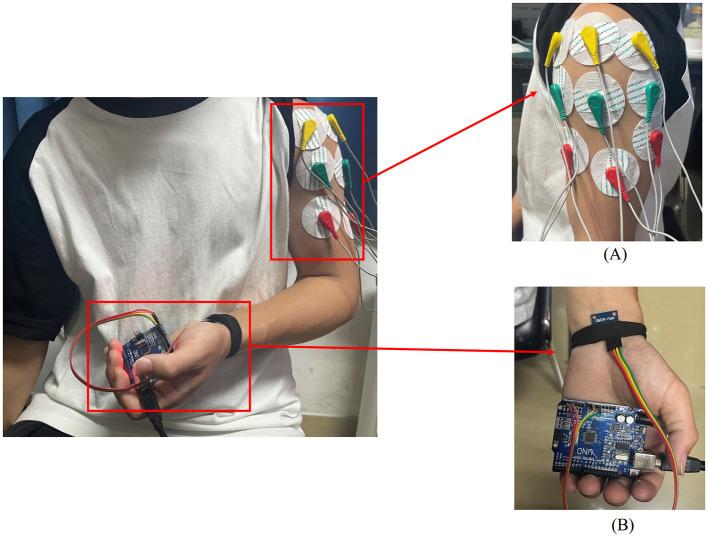
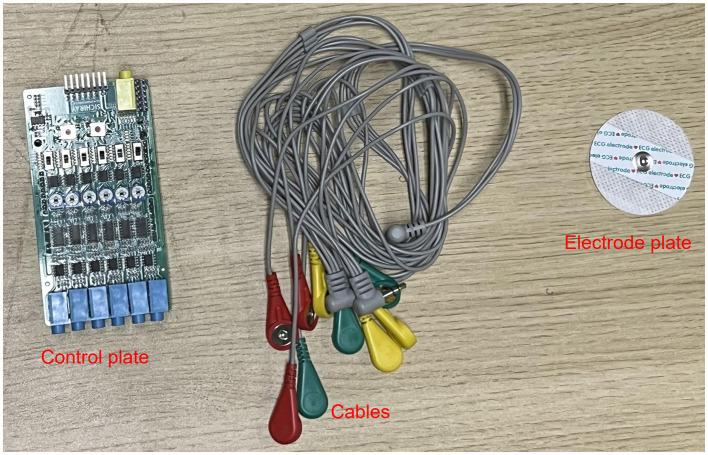
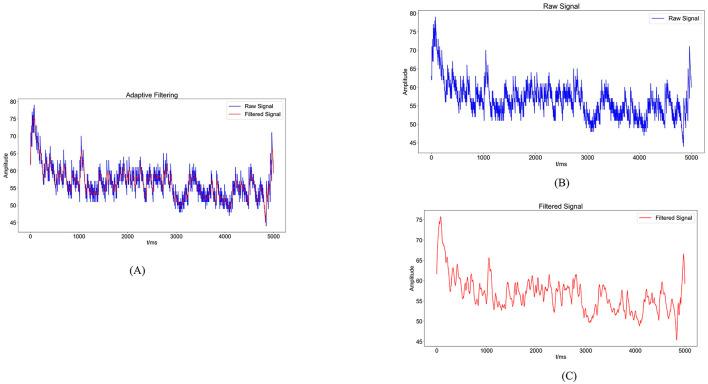
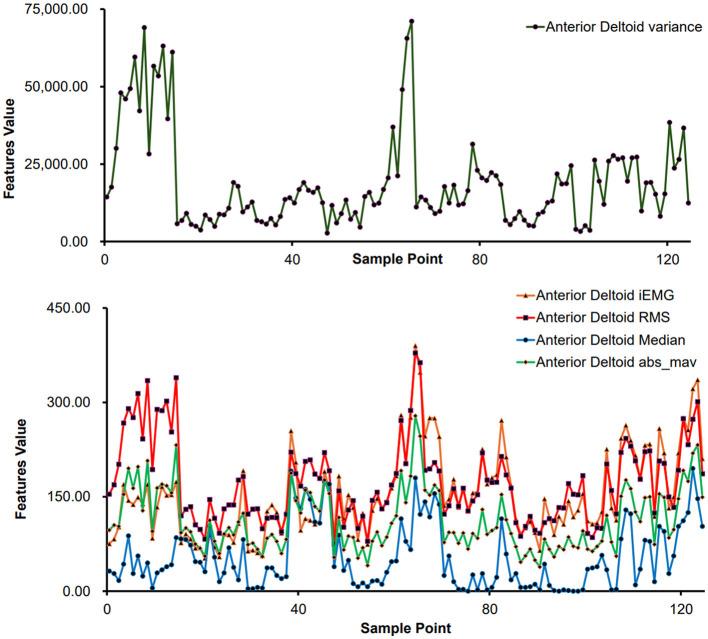
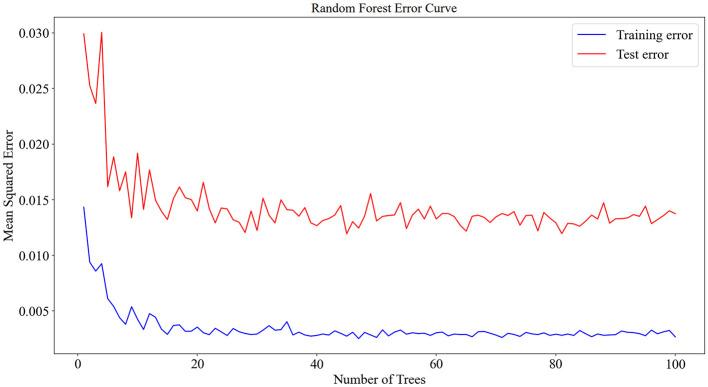
The assessment system includes modules for acquiring muscle electromyography (EMG) signals and joint motion data. The EMG signals from the anterior, middle, and posterior deltoid muscles were collected, filtered, and denoised to extract time-domain features. Concurrently, shoulder joint motion data were captured using the MPU6050 sensor and processed for feature extraction. The extracted features from the sEMG and joint motion data were analyzed using three algorithms: Random Forest (RF), Backpropagation Neural Network (BPNN), and Support Vector Machines (SVM), to predict muscle strength through regression models. Model performance was evaluated using Root Mean Squared Error (), R-Square ( ), Mean Absolute Error (), and Mean Bias Error (), to identify the most accurate regression prediction algorithm.
RESULTS
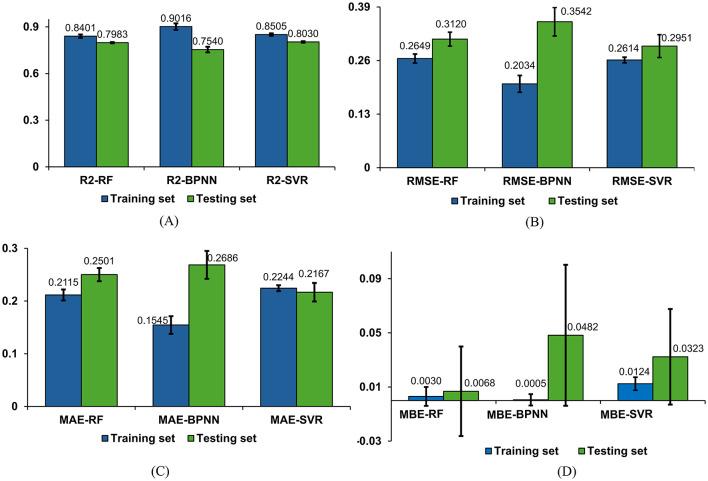
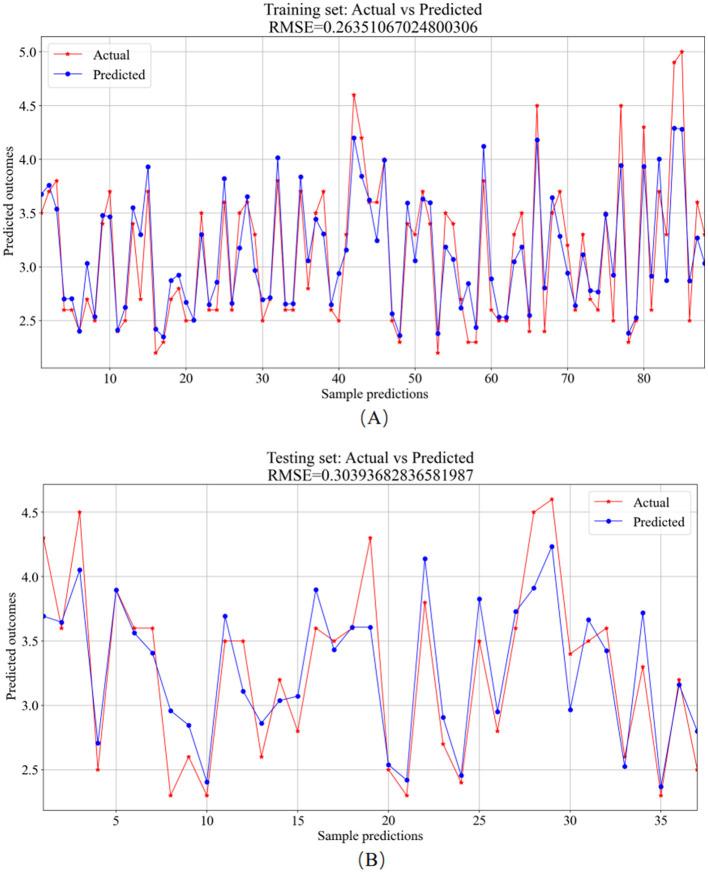
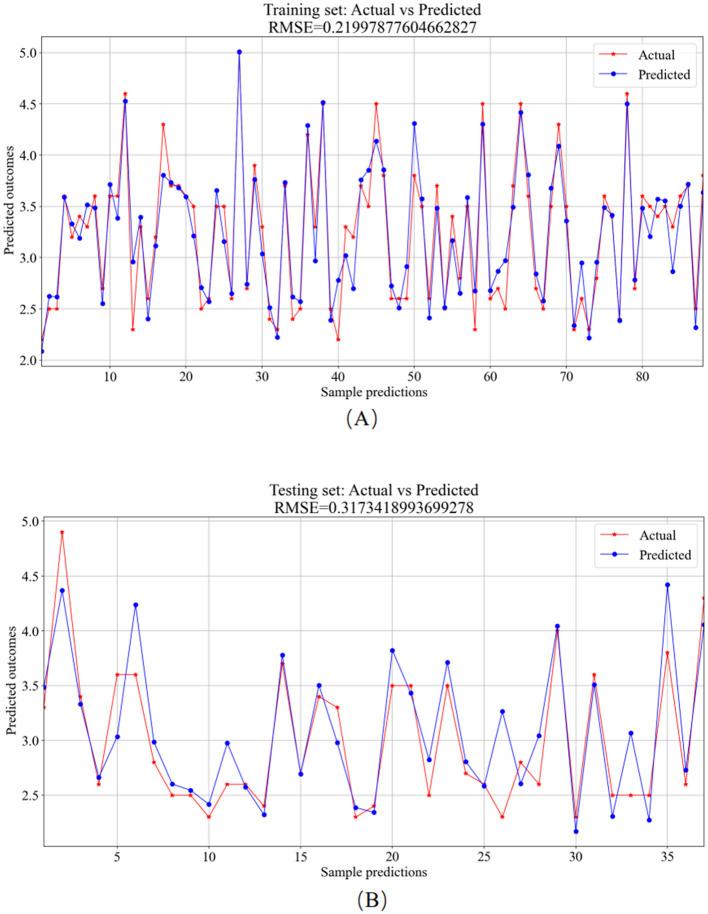
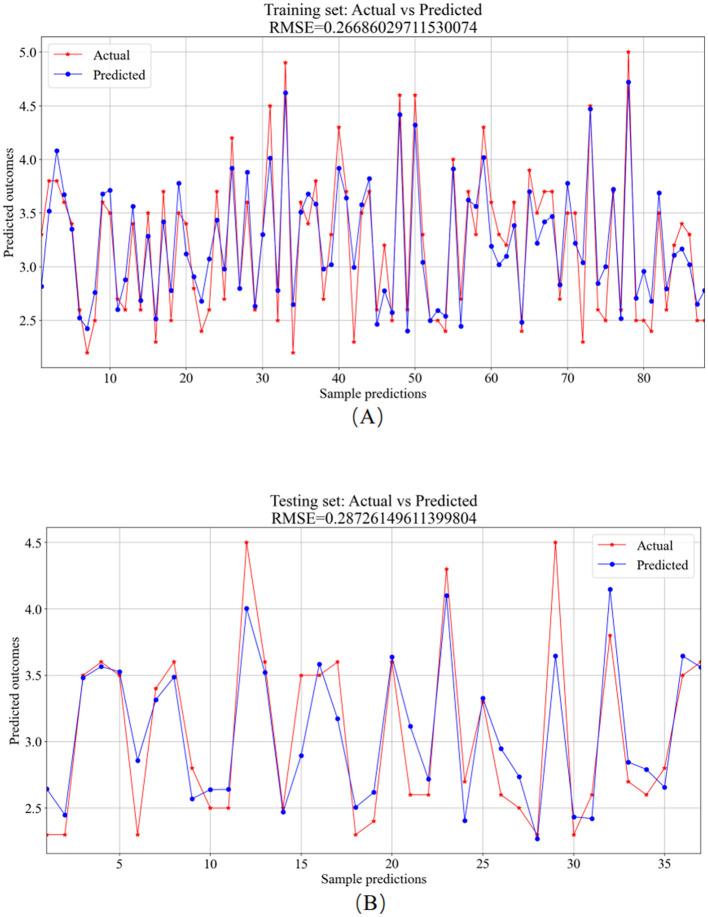
The system effectively collected and analyzed the sEMG from the deltoid muscles and shoulder joint motion data. Among the models tested, the Support Vector Regression (SVR) model achieved the highest accuracy with an of 0.8059, of 0.2873, of 0.2155, and of 0.0071. The Random Forest model achieved an of 0.7997, of 0.3039, of 0.2405, and of 0.0090. The BPNN model achieved an of 0.7542, of 0.3173, of 0.2306, and of 0.0783.
CONCLUSION
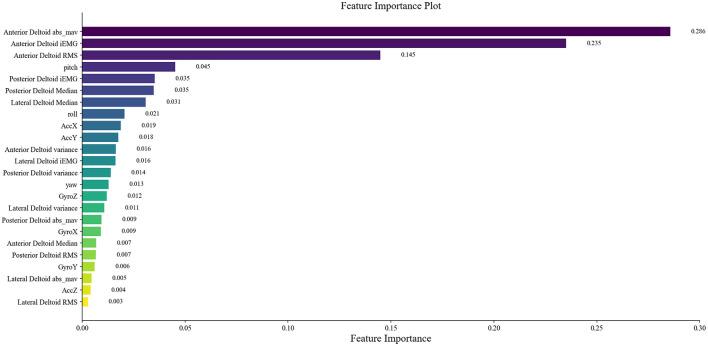
The SVR model demonstrated superior accuracy in predicting muscle strength. The RF model, with its feature importance capabilities, provides valuable insights that can assist therapists in the muscle strength assessment process.
目的
本研究旨在开发一种评估系统,利用表面肌电(sEMG)信号和关节运动数据,评估中风后上肢损伤程度不同的患者的肩关节肌肉力量。
方法
该评估系统包括用于采集肌肉肌电图(EMG)信号和关节运动数据的模块。收集三角肌前、中、后部的EMG信号,进行滤波和去噪以提取时域特征。同时,使用MPU6050传感器捕获肩关节运动数据并进行特征提取处理。使用随机森林(RF)、反向传播神经网络(BPNN)和支持向量机(SVM)三种算法对从sEMG和关节运动数据中提取的特征进行分析,通过回归模型预测肌肉力量。使用均方根误差( )、决定系数( )、平均绝对误差( )和平均偏差误差( )评估模型性能,以确定最准确的回归预测算法。
结果
该系统有效地收集并分析了三角肌的sEMG和肩关节运动数据。在所测试的模型中,支持向量回归(SVR)模型的准确率最高, 为0.8059, 为0.2873, 为0.2155, 为0.0071。随机森林模型的 为0.7997, 为0.3039, 为0.2405, 为0.0090。BPNN模型的 为0.7542, 为0.3173, 为0.2306, 为0.0783。
结论
SVR模型在预测肌肉力量方面表现出更高的准确性。RF模型凭借其特征重要性能力,提供了有价值的见解,可协助治疗师进行肌肉力量评估过程。

 Zotero 插件