
快速多重分子综合征检测板在重症患者感染临床管理中的作用:一份专家意见文件。
The role of rapid multiplex molecular syndromic panels in the clinical management of infections in critically ill patients: an experts-opinion document.
作者信息
Candel Francisco Javier, Salavert Miguel, Cantón Rafael, Del Pozo José Luis, Galán-Sánchez Fátima, Navarro David, Rodríguez Alejandro, Rodríguez Juan Carlos, Rodríguez-Aguirregabiria Montserrat, Suberviola Borja, Zaragoza Rafael
机构信息
Clinical Microbiology and Infectious Diseases, Hospital Clínico Universitario San Carlos, IdISSC & IML Health Research Institutes, 28040, Madrid, Spain.
Infectious Diseases Unit, Hospital Universitario y Politécnico La Fe, Valencia, Spain.
出版信息
Crit Care. 2024 Dec 30;28(1):440. doi: 10.1186/s13054-024-05224-3.
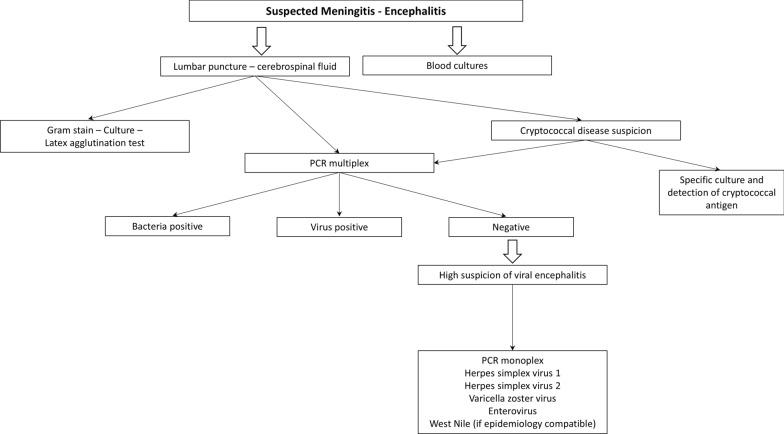
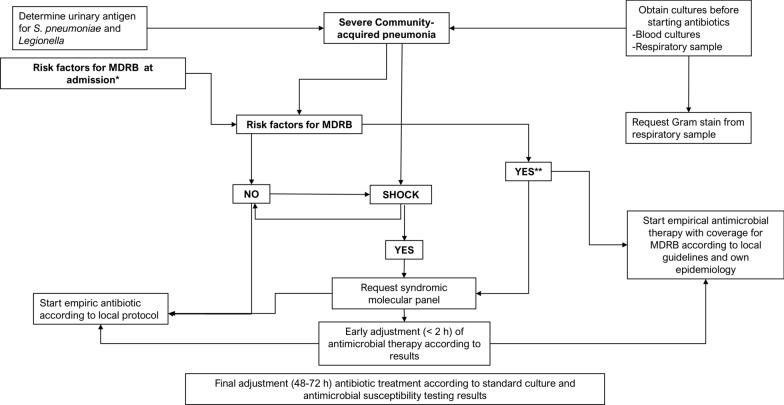
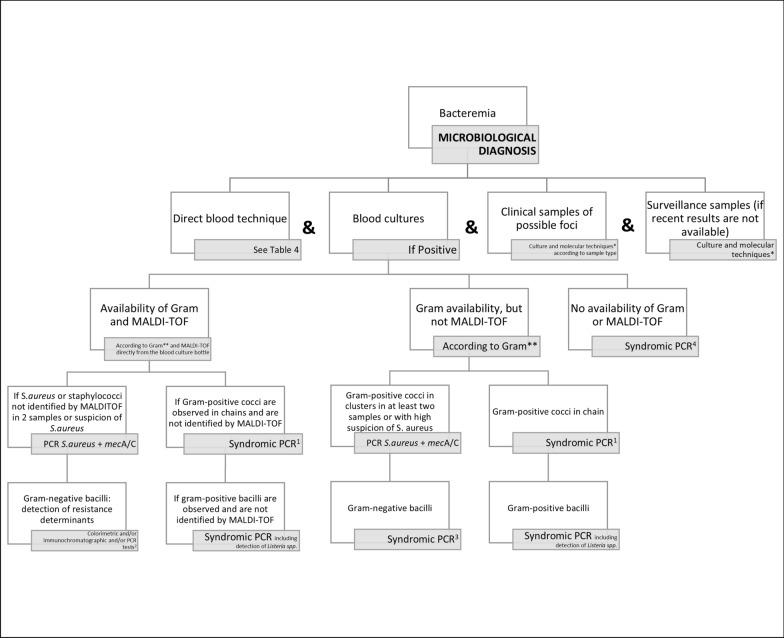
Rapid multiplex molecular syndromic panels (RMMSP) (3 or more pathogens and time-to-results < 6 h) allow simultaneous detection of multiple pathogens and genotypic resistance markers. Their implementation has revolutionized the clinical landscape by significantly enhancing diagnostic accuracy and reducing time-to-results in different critical conditions. The current revision is a comprehensive but not systematic review of the literature. We conducted electronic searches of the PubMed, Medline, Embase, and Google Scholar databases to identify studies assessing the clinical performance of RMMSP in critically ill patients until July 30, 2024. A multidisciplinary group of 11 Spanish specialists developed clinical questions pertaining to the indications and limitations of these diagnostic tools in daily practice in different clinical scenarios. The topics covered included pneumonia, sepsis/septic shock, candidemia, meningitis/encephalitis, and off-label uses of these RMMSP. These tools reduced the time-to-diagnosis (and therefore the time-to-appropriate treatment), reduced inappropriate empiric treatment and the length of antibiotic therapy (which has a positive impact on antimicrobial stewardship and might be associated with lower in-hospital mortality), may reduce the length of hospital stay, which could potentially lead to cost savings. Despite their advantages, these RMMSP have limitations that should be known, including limited availability, missed diagnoses if the causative agent or resistance determinants are not included in the panel, false positives, and codetections. Overall, the implementation of RMMSP represents a significant advancement in infectious disease diagnostics, enabling more precise and timely interventions. This document addresses relevant issues related to the use of RMMSP on different critically ill patient profiles, to standardize procedures, assist in making management decisions and help specialists to obtain optimal outcomes.
快速多重分子综合征检测板(RMMSP)(可检测3种或更多病原体且出结果时间<6小时)能够同时检测多种病原体和基因型耐药标志物。它们的应用彻底改变了临床格局,显著提高了诊断准确性,并缩短了不同危急情况下的出结果时间。本次修订是对文献的全面但非系统性综述。我们对PubMed、Medline、Embase和谷歌学术数据库进行了电子检索,以识别评估RMMSP在重症患者中临床性能的研究,检索截至2024年7月30日。由11名西班牙专家组成的多学科小组提出了与这些诊断工具在不同临床场景日常实践中的适应证和局限性相关的临床问题。涵盖的主题包括肺炎、脓毒症/脓毒性休克、念珠菌血症、脑膜炎/脑炎以及这些RMMSP的超说明书使用。这些工具缩短了诊断时间(从而缩短了开始适当治疗的时间),减少了不适当的经验性治疗和抗生素治疗时长(这对抗菌药物管理有积极影响,可能与降低住院死亡率相关),可能缩短住院时间,进而可能节省成本。尽管有这些优点,但这些RMMSP也有一些应为人所知的局限性,包括可用性有限、如果检测板未包含病原体或耐药决定因素可能漏诊、假阳性以及共检测情况。总体而言,RMMSP的应用代表了传染病诊断领域的重大进展,能够实现更精确和及时的干预。本文档讨论了与在不同重症患者群体中使用RMMSP相关的问题,以规范程序、协助做出管理决策并帮助专家获得最佳结果。

 Zotero 插件