
基于铜死亡关键基因的阿尔茨海默病铜死亡研究
The study on cuproptosis in Alzheimer's disease based on the cuproptosis key gene .
作者信息
Chen Guilin, Xi Erwei, Gu Xiaozhen, Wang Huili, Tang Qiqiang
机构信息
Department of Neurology, Yijishan Hospital, The First Affiliated Hospital of Wannan Medical College, Wuhu, Anhui, China.
Department of Neurology, Provincial Hospital Affiliated to Anhui Medical University, Hefei, Anhui, China.
出版信息
Front Aging Neurosci. 2024 Dec 16;16:1480332. doi: 10.3389/fnagi.2024.1480332. eCollection 2024.
BACKGROUND
Alzheimer's disease (AD) is a neurodegenerative disorder characterized by memory and cognitive impairments. Previous studies have shown neuronal death in the brains of AD patients, but the role of cuproptosis and its associated genes in AD neurons remains unclear.
METHODS
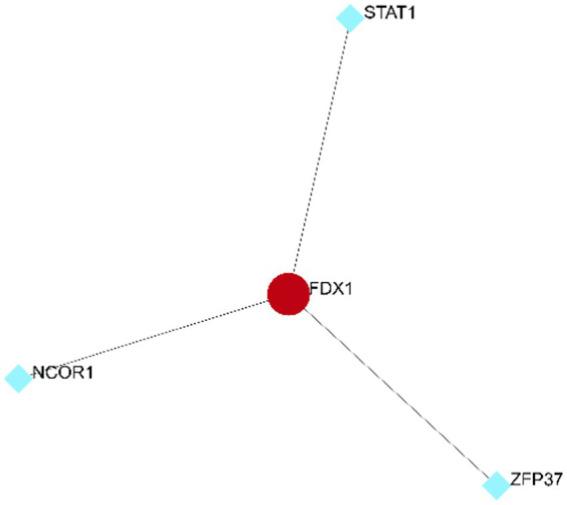
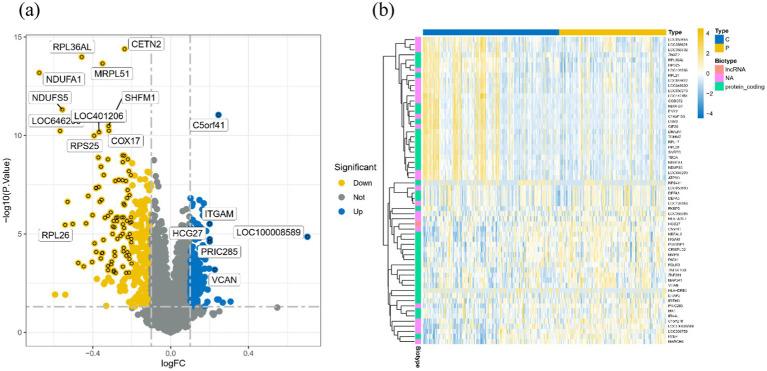
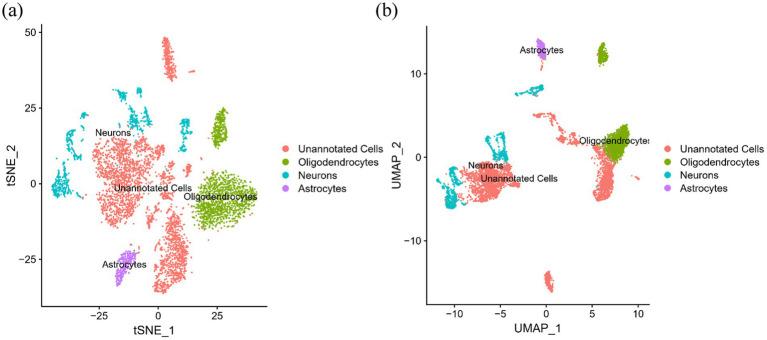
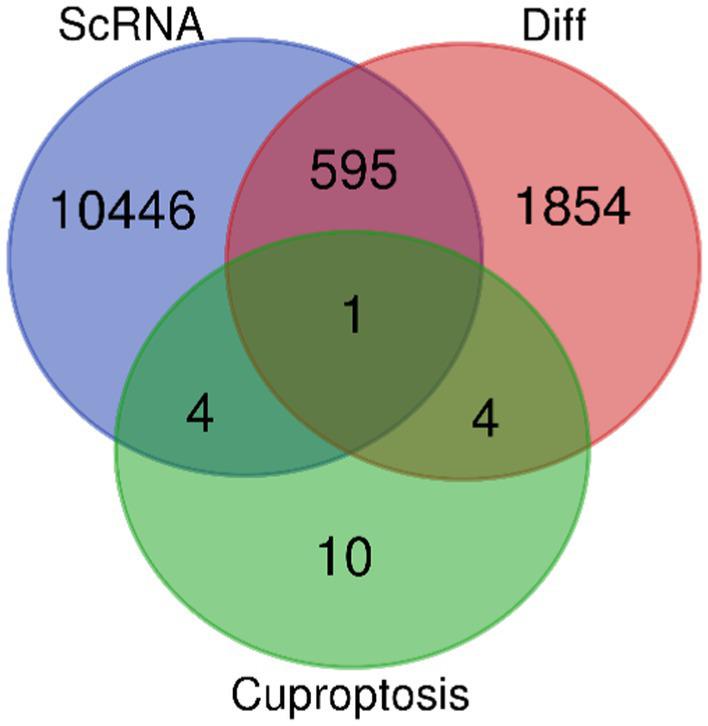
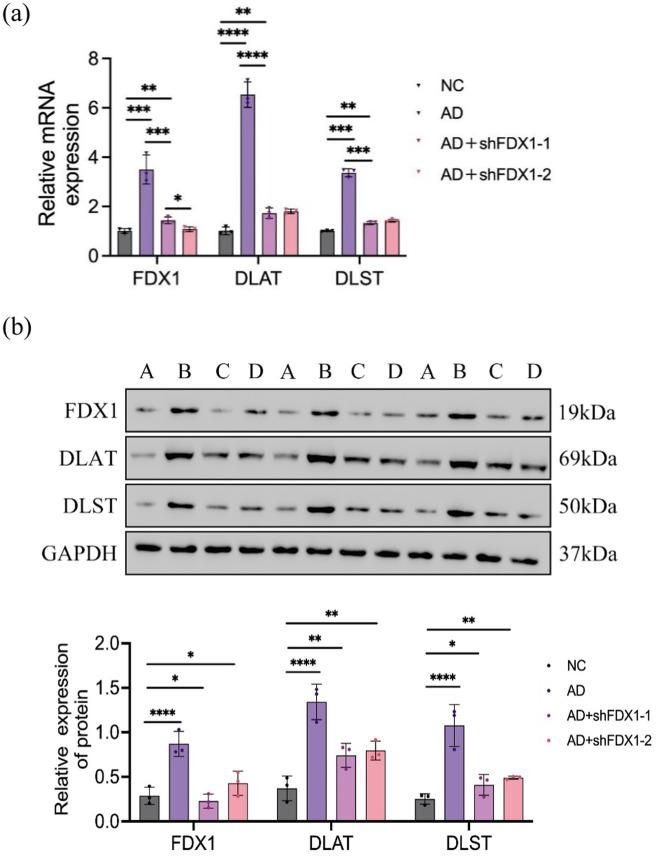
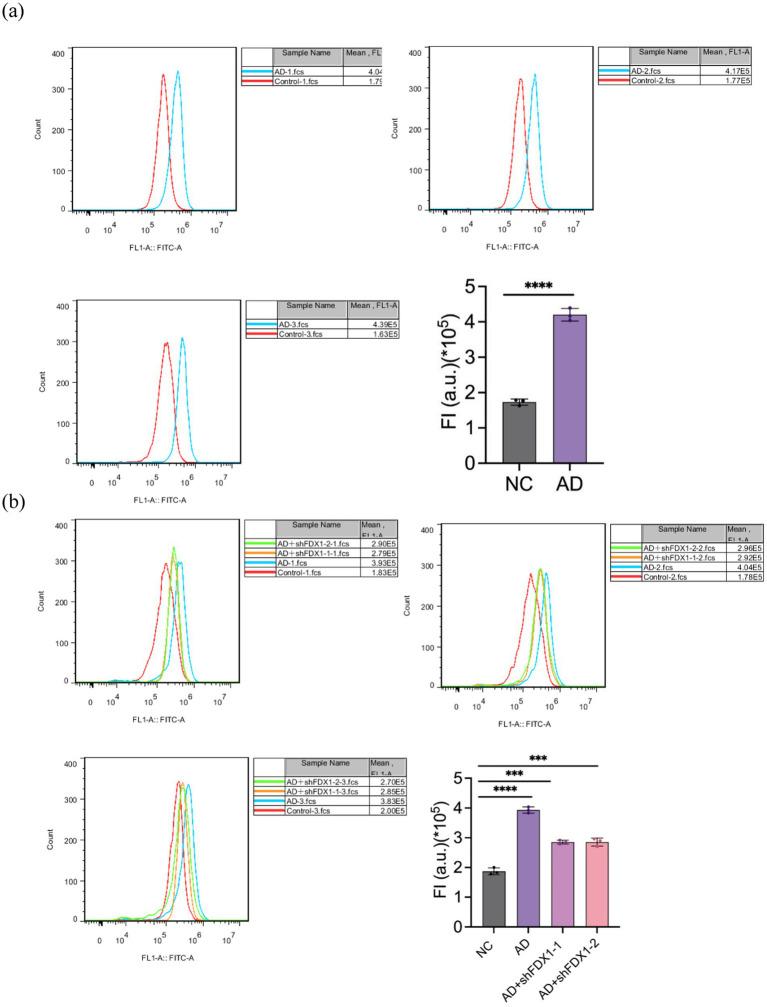
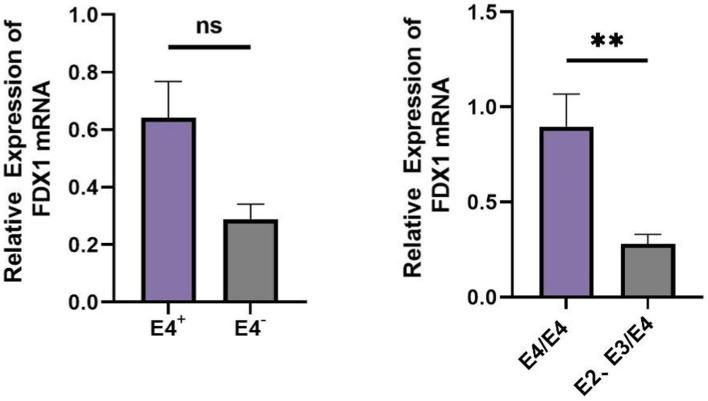
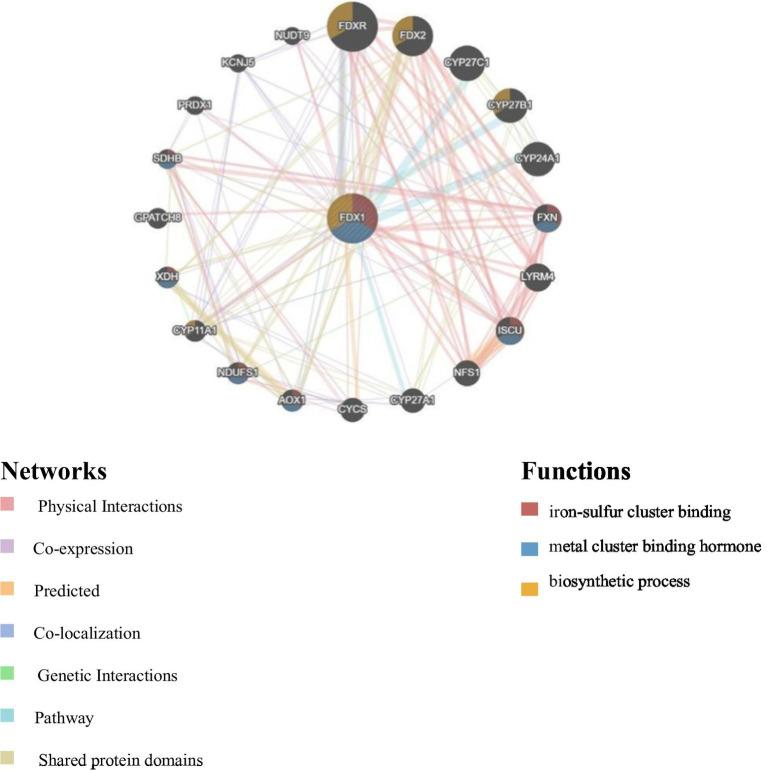
Intersection analysis was conducted using the AD transcriptome dataset GSE63060, neuron dataset GSE147528, and reported cuproptosis-related genes to identify the cuproptosis key gene highly expressed in AD. Subsequently, cell experiments were performed by treating SH-SY5Y cells with Aβ to establish AD cell model. The real-time reverse transcriptase-polymerase chain reaction (RT-qPCR) and western blotting (WB) assays were employed to detect the expression levels of , , and . Cell proliferation was analyzed by counting Kit-8 (CCK8), mitochondrial ROS levels were analyzed using flow cytometry. shRNA was used to downregulate expression, followed by repetition of the aforementioned experiments. Clinical experiments utilized qPCR to detect mRNA levels in peripheral venous blood of patients, and analyzed expression differences in different genotypes of AD patients. Finally, a protein-protein interaction (PPI) network of was constructed based on the GeneMANIA database, immune infiltration analysis was conducted using R language, and transcription factors prediction for was performed based on the ENCODE database.
RESULTS
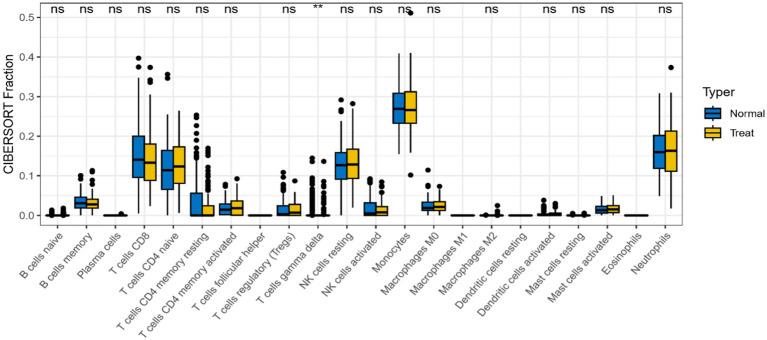
The cuproptosis key gene showed significantly higher expression in peripheral blood and neuron models of AD compared to non-AD individuals, with significantly higher expression in genotype than other genotype of AD patients. Knockdown of expression reduced the lipidation levels of and in neurons, alleviated ROS accumulation in mitochondria, improved cell viability, and mitigated cuproptosis. Immune infiltration analysis results indicated a high enrichment of peripheral blood γδ-T lymphocytes in AD, and was significantly associated with the infiltration of four immune cells and may be regulated by three transcription factors.
CONCLUSION
The cuproptosis key gene is highly expressed in AD and may promote cuproptosis in AD neurons by regulating the lipidation levels of and , thereby participating in the onset and development of AD. This provides a potential target for the diagnosis and treatment of AD.
背景
阿尔茨海默病(AD)是一种以记忆和认知障碍为特征的神经退行性疾病。先前的研究已经表明AD患者大脑中存在神经元死亡,但铜死亡及其相关基因在AD神经元中的作用仍不清楚。
方法
使用AD转录组数据集GSE63060、神经元数据集GSE147528和已报道的铜死亡相关基因进行交集分析,以鉴定在AD中高表达的铜死亡关键基因。随后,通过用Aβ处理SH-SY5Y细胞进行细胞实验,建立AD细胞模型。采用实时逆转录聚合酶链反应(RT-qPCR)和蛋白质免疫印迹(WB)分析来检测[具体基因]的表达水平。通过计数细胞增殖检测试剂盒-8(CCK8)分析细胞增殖,使用流式细胞术分析线粒体活性氧水平。使用短发夹RNA(shRNA)下调[具体基因]表达,然后重复上述实验。临床实验利用qPCR检测患者外周静脉血中[具体基因]的mRNA水平,并分析不同AD基因型患者中[具体基因]的表达差异。最后,基于GeneMANIA数据库构建[具体基因]的蛋白质-蛋白质相互作用(PPI)网络,使用R语言进行免疫浸润分析,并基于ENCODE数据库对[具体基因]进行转录因子预测。
结果
与非AD个体相比,铜死亡关键基因[具体基因]在AD的外周血和神经元模型中表达显著更高,在AD患者的[具体基因型]中表达显著高于其他[具体基因型]。敲低[具体基因]表达降低了神经元中[具体蛋白]和[具体蛋白]的脂化水平,减轻了线粒体中的活性氧积累,提高了细胞活力,并减轻了铜死亡。免疫浸润分析结果表明AD外周血γδ-T淋巴细胞高度富集,[具体基因]与四种免疫细胞的浸润显著相关,并且可能受三种转录因子调控。
结论
铜死亡关键基因[具体基因]在AD中高表达,可能通过调节[具体蛋白]和[具体蛋白]的脂化水平促进AD神经元中的铜死亡,从而参与AD的发生和发展。这为AD的诊断和治疗提供了一个潜在靶点。




 Zotero 插件