
基于三唑的小分子抑制剂对由[具体物种1]和[具体物种2]形成的双物种生物膜的协同抑制和环化作用
Concomitant Inhibition and Collaring of Dual-Species Biofilms Formed by and by Triazole Based Small Molecule Inhibitors.
作者信息
Parveen Humaira, Mukhtar Sayeed, Albalawi Mona O, Khasim Syed, Ahmad Aijaz, Wani Mohmmad Younus
机构信息
Organic and Medicinal Chemistry Research Laboratory, Department of Chemistry, University of Tabuk, Tabuk 71491, Saudi Arabia.
Advanced Materials Research Laboratory, Department of Physics, Faculty of Science, University of Tabuk, Tabuk 71491, Saudi Arabia.
出版信息
Pharmaceutics. 2024 Dec 8;16(12):1570. doi: 10.3390/pharmaceutics16121570.
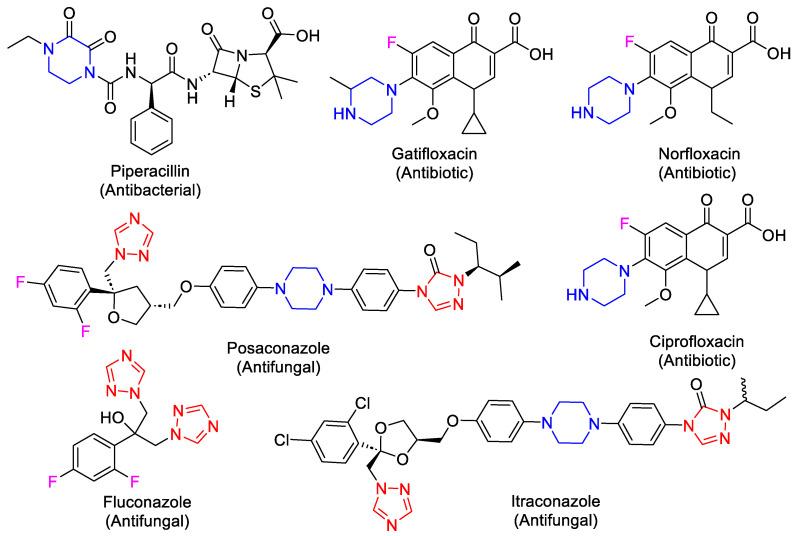
BACKGROUND/OBJECTIVES: Biofilm-associated infections, particularly those involving Candida auris and Staphylococcus aureus, pose significant challenges in clinical settings due to their resilience and resistance to conventional treatments. This study aimed to synthesize novel triazole derivatives containing a piperazine ring via click chemistry and evaluate their efficacy in disrupting biofilms formed by these pathogens.
METHODS
Triazole derivatives were synthesized using click chemistry techniques. The antimicrobial activity of the compounds was tested against planktonic cells of and in single and dual-species culture conditions. Biofilm disruption efficacy was assessed, alongside the evaluation of physicochemical properties, oral bioavailability potential, and toxicity profiles.
RESULTS
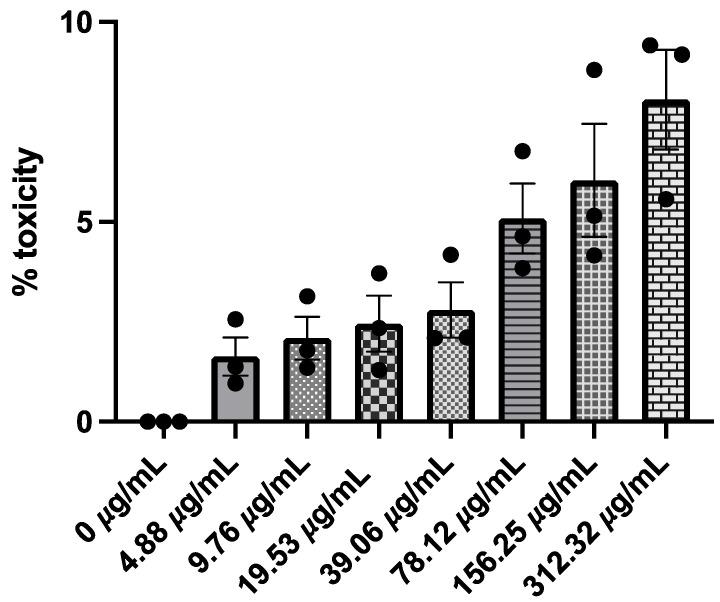
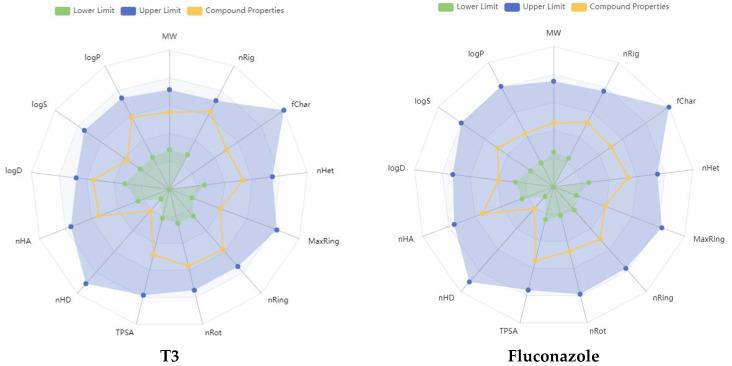
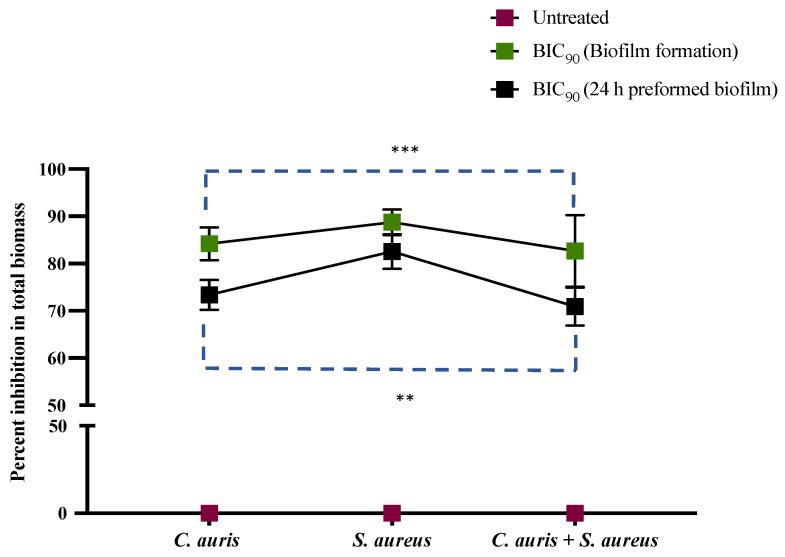
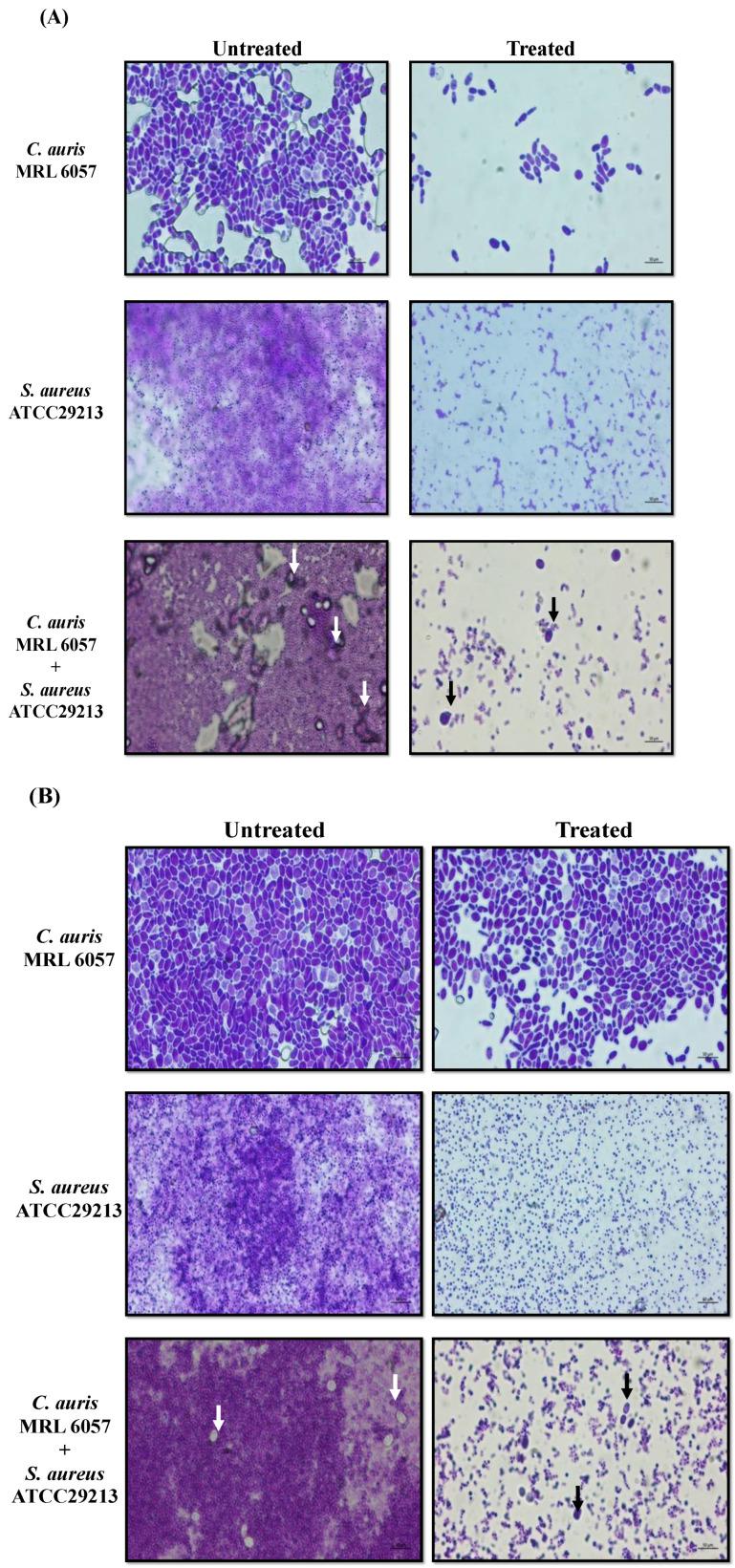
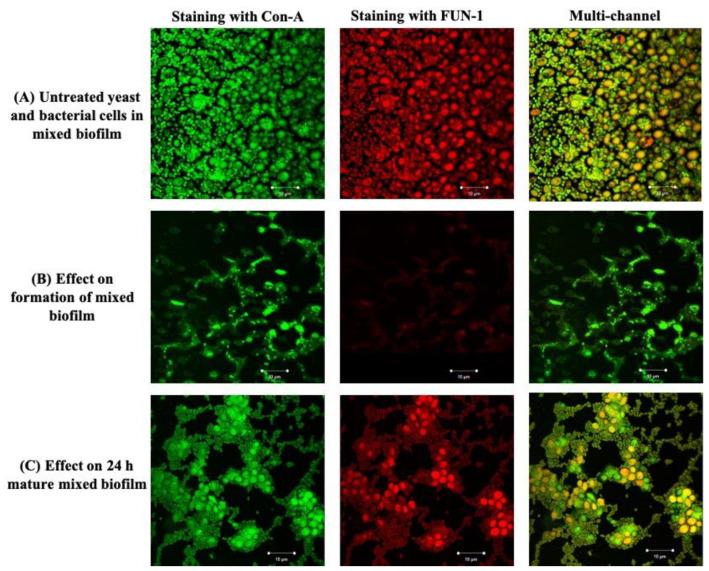
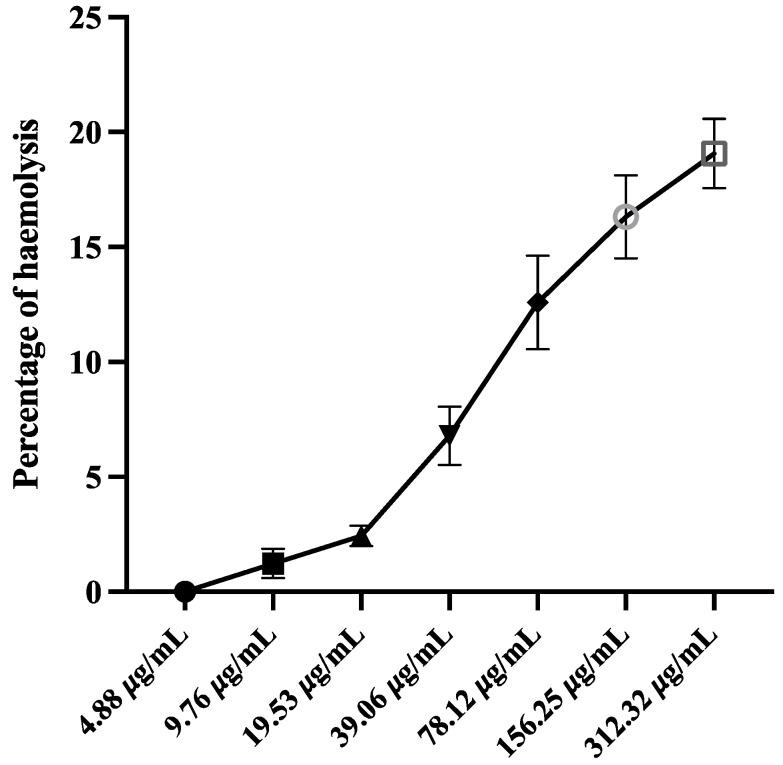
The compound T3 demonstrated potent antimicrobial activity against planktonic cells of and in both single and dual-species cultures. T3 exhibited significant efficacy in reducing microbial viability within biofilms formed by these pathogens. Physicochemical analyses revealed favorable solubility and permeability profiles, supporting its potential for oral bioavailability. Toxicity assessments showed a non-toxic profile, highlighting a promising safety margin for further development.
CONCLUSIONS
This study underscores the anti-biofilm properties of novel triazole-piperazine derivatives, particularly T3, against single and dual-species biofilms of and . These findings position T3 as a promising candidate for developing therapies targeting polymicrobial infections and provide a foundation for future research into alternative strategies for combating biofilm-associated infections.
背景/目的:生物膜相关感染,尤其是涉及耳念珠菌和金黄色葡萄球菌的感染,因其具有韧性且对传统治疗有抗性,在临床环境中构成重大挑战。本研究旨在通过点击化学合成含哌嗪环的新型三唑衍生物,并评估其破坏这些病原体形成的生物膜的功效。
方法
使用点击化学技术合成三唑衍生物。在单物种和双物种培养条件下,测试这些化合物对耳念珠菌和金黄色葡萄球菌浮游细胞的抗菌活性。评估生物膜破坏功效,同时评估物理化学性质、口服生物利用度潜力和毒性概况。
结果
化合物T3在单物种和双物种培养中均对耳念珠菌和金黄色葡萄球菌的浮游细胞表现出强大的抗菌活性。T3在降低这些病原体形成的生物膜内的微生物活力方面表现出显著功效。物理化学分析显示其具有良好的溶解性和渗透性,支持其口服生物利用度潜力。毒性评估显示无毒概况,突出了其进一步开发的良好安全边际。
结论
本研究强调了新型三唑 - 哌嗪衍生物,特别是T3,对耳念珠菌和金黄色葡萄球菌单物种和双物种生物膜的抗生物膜特性。这些发现使T3成为开发针对多微生物感染疗法的有前景候选物,并为未来对抗生物膜相关感染的替代策略研究奠定了基础。




 Zotero 插件