
比较Healthentia软件即服务(SaMD)在慢性病管理中的临床结果:一项系统文献综述
Benchmarking the clinical outcomes of Healthentia SaMD in chronic disease management: a systematic literature review comparison.
作者信息
Kyriazakos Sofoklis, Pnevmatikakis Aristodemos, Kostopoulou Konstantina, Ferrière Laurent, Thibaut Kyun, Giacobini Erika, Pastorino Roberta, Gorini Marco, Fenici Peter
机构信息
Innovation Sprint srl, Clos Chapelle-aux-Champs, Brussels, Belgium.
COVARTIM, Watermael-Boitsfort, Belgium.
出版信息
Front Public Health. 2024 Dec 24;12:1488687. doi: 10.3389/fpubh.2024.1488687. eCollection 2024.
BACKGROUND
Software as a Medical Device (SaMD) and mobile health (mHealth) applications have revolutionized the healthcare landscape in the areas of remote patient monitoring (RPM) and digital therapeutics (DTx). These technological advancements offer a range of benefits, from improved patient engagement and real-time monitoring, to evidence-based personalized treatment plans, risk prediction, and enhanced clinical outcomes.
OBJECTIVE
The systematic literature review aims to provide a comprehensive overview of the status of SaMD and mHealth apps, highlight the promising results, and discuss what is the potential of these technologies for improving health outcomes.
METHODS
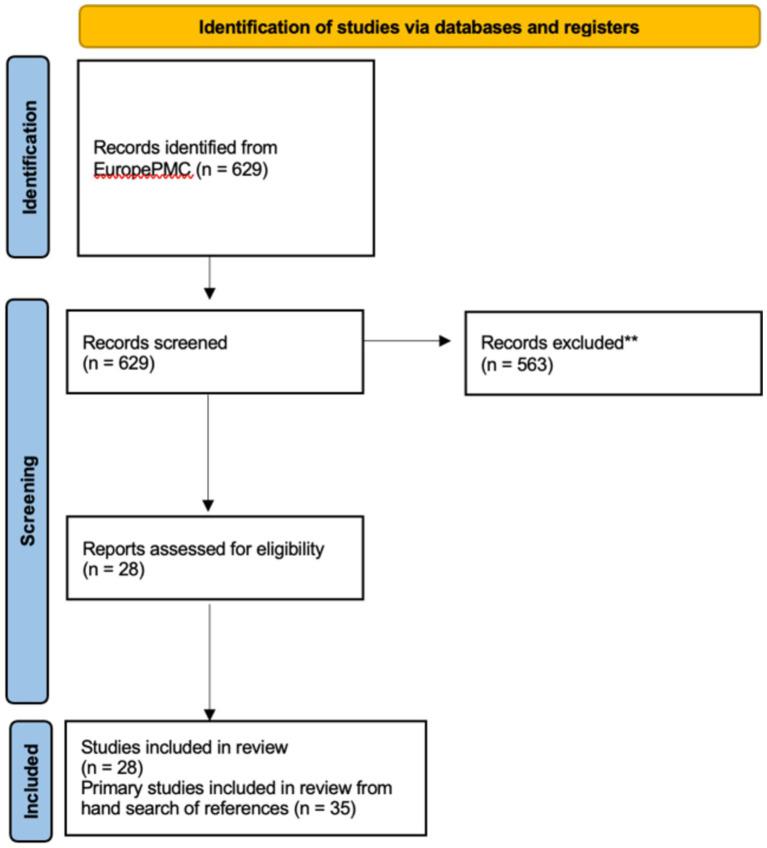
The research methodology was structured in two phases. In the first phase, a search was conducted in the EuropePMC (EPMC) database up to April 2024 for systematic reviews on studies using the PICO model. The study population comprised individuals afflicted by chronic diseases; the intervention involved the utilization of mHealth solutions in comparison to any alternative intervention; the desired outcome focused on the efficient monitoring of patients. Systematic reviews fulfilling these criteria were incorporated within the framework of this study. The second phase of the investigation involved identifying and assessing clinical studies referenced in the systematic reviews, followed by the synthesis of their risk profiles and clinical benefits.
RESULTS
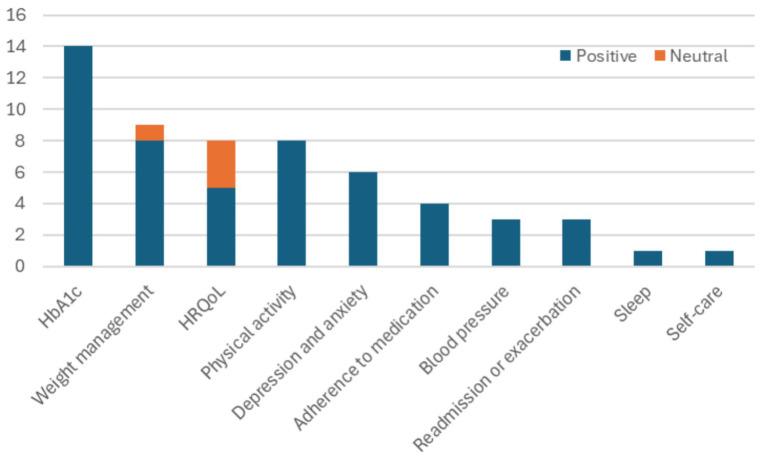
The results are rather positive, demonstrating how SaMDs can support the management of chronic diseases, satisfying patient safety and performance requirements. The principal findings, after the analysis of the extraction table referring to the 35 primary studies included, are: 24 studies (68.6%) analyzed clinical indications for type 2 diabetes mellitus (T2DM), six studies (17.1%) analyzed clinical indications for cardiovascular conditions, three studies (8.7%) analyzed clinical indications for cancer, one study (2.8%) analyzed clinical indications for chronic obstructive pulmonary disease (COPD), and one study (2.8%) analyzed clinical indications for hypertension. No severe adverse events related to the use of mHealth were reported in any of them. However, five studies (14.3%) reported mild adverse events (related to hypoglycemia, uncontrolled hypertension), and four studies (11.4%) reported technical issues with the devices (related to missing patient adherence requirements, Bluetooth unsuccessful pairing, and poor network connections). For what concerns variables of interest, out of the 35 studies, 14 reported positive results on the reduction of glycated hemoglobin (HbA1c) with the use of mHealth devices. Eight studies examined health-related quality of life (HRQoL); in three cases, there were no statistically significant differences, while the groups using mHealth devices in the other five studies experienced better HRQoL. Seven studies focused on physical activity and performance, all reflecting increased attention to physical activity levels. Six studies addressed depression and anxiety, with mostly self-reported benefits observed. Four studies each reported improvements in body fat and adherence to medications in the mHealth solutions arm. Three studies examined blood pressure (BP), reporting reduction in BP, and three studies addressed BMI, with one finding no statistically significant change and two instead BMI reduction. Two studies reported significant weight/waist reduction and reduced hospital readmissions. Finally, individual studies noted improvements in sleep quality/time, self-care/management, six-minute walk distance (6MWD), and exacerbation outcomes.
CONCLUSION
The systematic literature review demonstrates the significant potential of software as a medical device (SaMD) and mobile health (mHealth) applications in revolutionizing chronic disease management through remote patient monitoring (RPM) and digital therapeutics (DTx). The evidence synthesized from multiple systematic reviews and clinical studies indicates that these technologies, exemplified by solutions like Healthentia, can effectively support patient monitoring and improve health outcomes while meeting crucial safety and performance requirements. The positive results observed across various chronic conditions underscore the transformative role of digital health interventions in modern healthcare delivery. However, further research is needed to address long-term efficacy, cost-effectiveness, and integration into existing healthcare systems. As the field rapidly evolves, continued evaluation and refinement of these technologies will be essential to fully realize their potential in enhancing patient care and health management strategies.
背景
软件即医疗设备(SaMD)和移动健康(mHealth)应用已经彻底改变了远程患者监测(RPM)和数字疗法(DTx)领域的医疗格局。这些技术进步带来了一系列益处,从提高患者参与度和实时监测,到基于证据的个性化治疗方案、风险预测以及改善临床结果。
目的
本系统文献综述旨在全面概述SaMD和mHealth应用的现状,突出有前景的结果,并讨论这些技术在改善健康结果方面的潜力。
方法
研究方法分为两个阶段。在第一阶段,截至2024年4月在欧洲生物医学中心(EPMC)数据库中进行搜索,以查找使用PICO模型的系统评价研究。研究人群包括慢性病患者;干预措施是与任何替代干预措施相比使用mHealth解决方案;期望的结果侧重于对患者的有效监测。符合这些标准的系统评价被纳入本研究框架。调查的第二阶段涉及识别和评估系统评价中引用的临床研究,然后综合其风险概况和临床益处。
结果
结果相当积极,表明SaMD如何能够支持慢性病管理,满足患者安全和性能要求。在分析了涉及35项纳入的主要研究的提取表后,主要发现如下:24项研究(68.6%)分析了2型糖尿病(T2DM)的临床适应症,6项研究(17.1%)分析了心血管疾病的临床适应症,3项研究(8.7%)分析了癌症的临床适应症,1项研究(2.8%)分析了慢性阻塞性肺疾病(COPD)的临床适应症,1项研究(2.8%)分析了高血压的临床适应症。其中没有一项报告与使用mHealth相关的严重不良事件。然而,5项研究(14.3%)报告了轻度不良事件(与低血糖、高血压控制不佳有关),4项研究(11.4%)报告了设备的技术问题(与患者依从性要求缺失、蓝牙配对不成功和网络连接不佳有关)。关于感兴趣的变量,在35项研究中,14项报告使用mHealth设备在降低糖化血红蛋白(HbA1c)方面有积极结果。8项研究考察了健康相关生活质量(HRQoL);在3例中没有统计学显著差异,而在其他5项研究中使用mHealth设备的组的HRQoL更好。7项研究关注身体活动和表现,均反映出对身体活动水平的关注度增加。6项研究涉及抑郁和焦虑,大多观察到自我报告的益处。4项研究分别报告了mHealth解决方案组在身体脂肪和药物依从性方面的改善。3项研究考察了血压(BP),报告血压降低,3项研究涉及体重指数(BMI),1项发现没有统计学显著变化,另外2项则是BMI降低。2项研究报告体重/腰围显著降低以及住院再入院率降低。最后,个别研究指出在睡眠质量/时间、自我护理/管理、6分钟步行距离(6MWD)和病情加重结果方面有所改善。
结论
系统文献综述表明,软件即医疗设备(SaMD)和移动健康(mHealth)应用在通过远程患者监测(RPM)和数字疗法(DTx)彻底改变慢性病管理方面具有巨大潜力。从多个系统评价和临床研究中综合的证据表明,以Healthentia等解决方案为代表的这些技术能够在满足关键安全和性能要求的同时,有效支持患者监测并改善健康结果。在各种慢性病中观察到的积极结果凸显了数字健康干预在现代医疗服务中的变革性作用。然而,需要进一步研究来解决长期疗效、成本效益以及融入现有医疗系统的问题。随着该领域迅速发展,持续评估和完善这些技术对于充分实现其在加强患者护理和健康管理策略方面的潜力至关重要。

 Zotero 插件