
胰腺癌中的化疗耐药性:脂肪来源间充质干细胞及关键耐药基因的作用
Chemoresistance in Pancreatic Cancer: The Role of Adipose-Derived Mesenchymal Stem Cells and Key Resistance Genes.
作者信息
Parvaneh Shahram, Miklós Vanda, Páhi Zoltán Gábor, Szűcs Diána, Monostori Tamás, Póliska Szilárd, Venglovecz Viktória, Pankotai Tibor, Kemény Lajos, Veréb Zoltán
机构信息
Regenerative Medicine and Cellular Pharmacology Laboratory, Department of Dermatology and Allergology, University of Szeged, H-6720 Szeged, Hungary.
Doctoral School of Clinical Medicine, University of Szeged, H-6720 Szeged, Hungary.
出版信息
Int J Mol Sci. 2025 Jan 4;26(1):390. doi: 10.3390/ijms26010390.
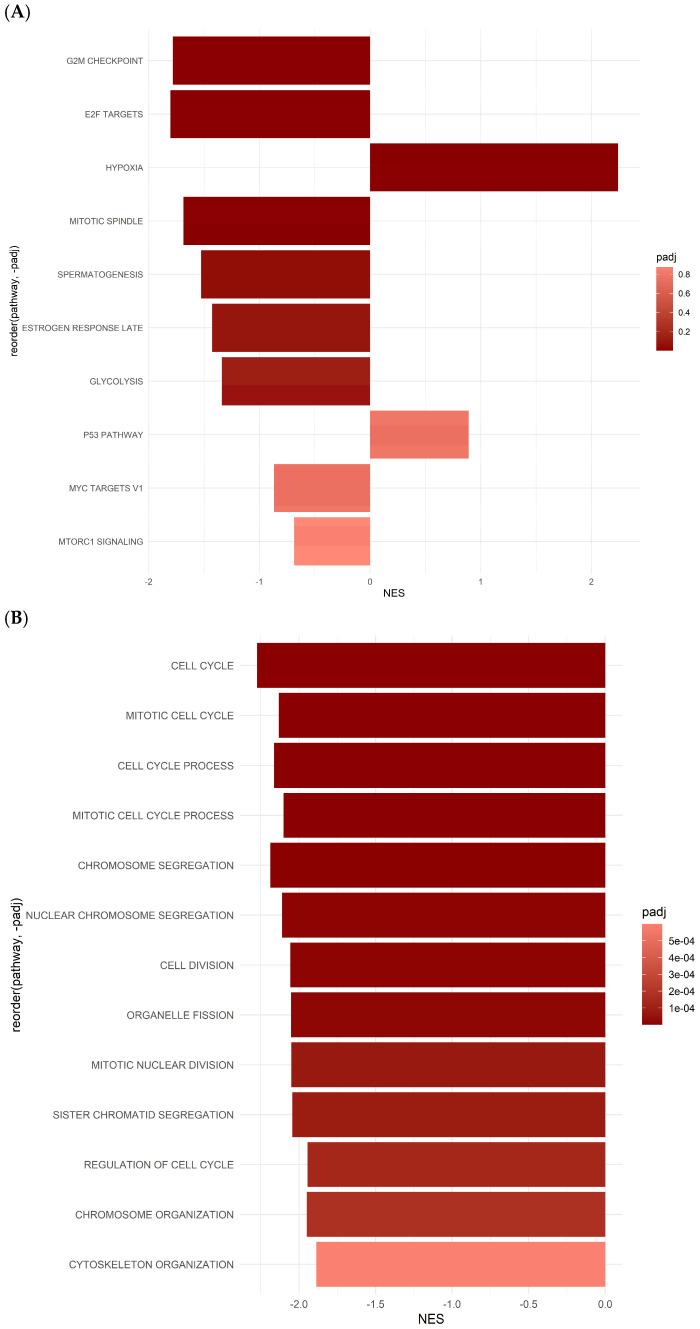
Drug resistance is a significant challenge in pancreatic ductal adenocarcinoma (PDAC), where stromal elements such as adipose-derived mesenchymal stem cells (ASCs) contribute to a chemoresistant tumor microenvironment (TME). This study explored the effects of oxaliplatin (OXP) and 5-fluorouracil (5-FU) on PDAC cells (Capan-1) and ASCs to investigate the mechanisms of chemoresistance. While OXP and 5-FU reduced Capan-1 viability in a dose- and time-dependent manner, ASCs demonstrated high resistance, maintaining > 90% viability even at cytotoxic doses. Transcriptomic analyses revealed OXP-induced transcriptional reprogramming in ASCs, with over 7000 differentially expressed genes, highlighting the pathways related to DNA damage response, cell cycle regulation, and stress-related signaling. In contrast, 5-FU elicited limited transcriptional changes, affecting only 192 genes. Cytokine proteome profiling revealed that OXP-treated ASCs significantly influenced the tumor microenvironment by promoting immune evasion (via IL-4, GM-CSF, IP-10, and GROα) and driving extracellular matrix remodeling (through EMMPRIN and DPPIV). In contrast, 5-FU induced comparatively weaker effects, primarily limited to hypoxia-related pathways. Although OXP reduced angiogenic factors, it paradoxically activated pro-survival pathways, thereby enhancing ASC-mediated tumor support. These findings underscore ASCs as modulators of chemoresistance via secretome alterations and stress adaptation. Therefore, future strategies should prioritize the precise targeting of tumor cells while also focusing on the development of personalized treatments to achieve durable therapeutic responses in PDAC.
耐药性是胰腺导管腺癌(PDAC)面临的一项重大挑战,在这种癌症中,诸如脂肪来源的间充质干细胞(ASCs)等基质成分会促成具有化学抗性的肿瘤微环境(TME)。本研究探讨了奥沙利铂(OXP)和5-氟尿嘧啶(5-FU)对PDAC细胞(Capan-1)和ASCs的影响,以研究化学抗性的机制。虽然OXP和5-FU以剂量和时间依赖性方式降低了Capan-1的活力,但ASCs表现出高度抗性,即使在细胞毒性剂量下仍保持>90%的活力。转录组分析揭示了OXP诱导的ASCs转录重编程,有超过7000个差异表达基因,突出了与DNA损伤反应、细胞周期调控和应激相关信号传导相关的途径。相比之下,5-FU引起的转录变化有限,仅影响192个基因。细胞因子蛋白质组分析表明,经OXP处理的ASCs通过促进免疫逃逸(通过IL-4、GM-CSF、IP-10和GROα)和驱动细胞外基质重塑(通过EMMPRIN和DPPIV)显著影响肿瘤微环境。相比之下,5-FU诱导的效应相对较弱,主要限于缺氧相关途径。虽然OXP降低了血管生成因子,但矛盾的是它激活了促生存途径,从而增强了ASC介导的肿瘤支持作用。这些发现强调了ASCs作为通过分泌组改变和应激适应来调节化学抗性的因子。因此,未来的策略应优先精确靶向肿瘤细胞,同时也应专注于开发个性化治疗方法,以在PDAC中实现持久的治疗反应。



 Zotero 插件