
脑可塑性与细胞竞争:即刻早期基因是关键
Brain Plasticity and Cell Competition: Immediate Early Genes Are the Focus.
作者信息
Tregub Pavel P, Komleva Yulia K, Kukla Maria V, Averchuk Anton S, Vetchinova Anna S, Rozanova Natalia A, Illarioshkin Sergey N, Salmina Alla B
机构信息
Research Center of Neurology, 125367 Moscow, Russia.
I.M. Sechenov First Moscow State Medical University, 119991 Moscow, Russia.
出版信息
Cells. 2025 Jan 19;14(2):143. doi: 10.3390/cells14020143.
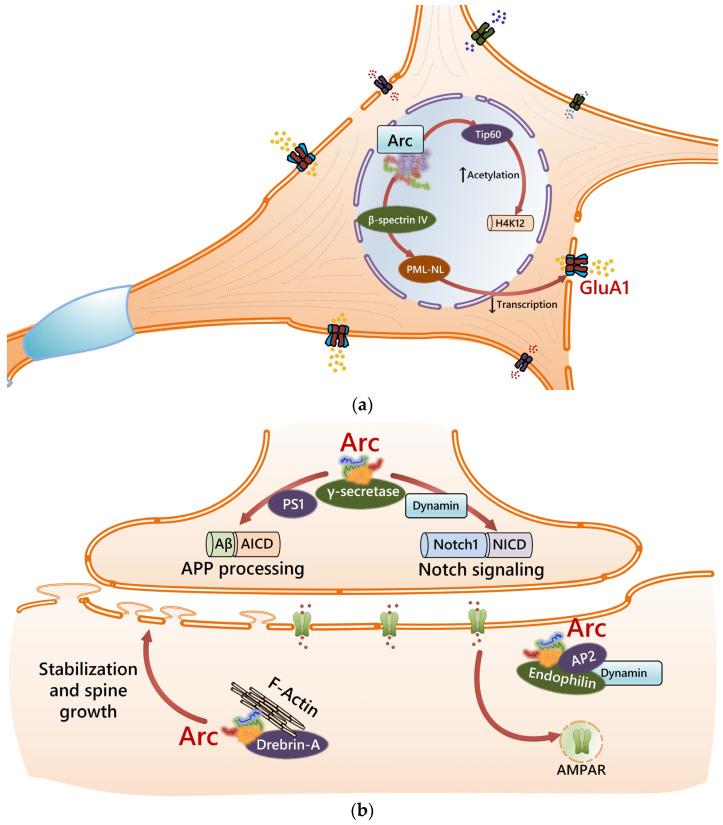
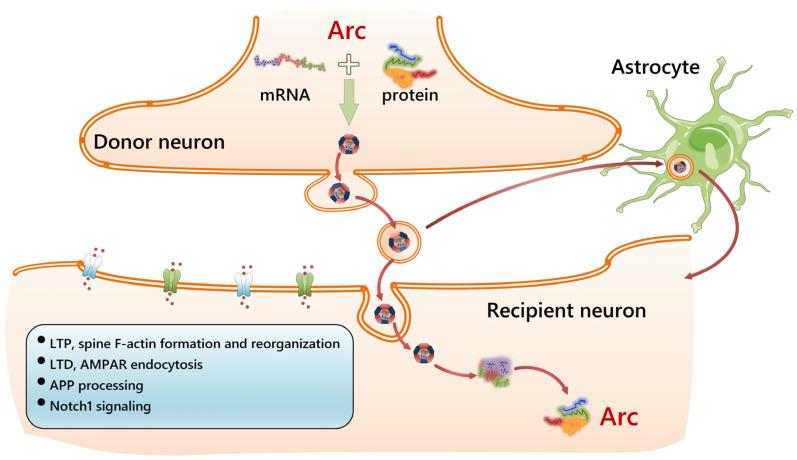
Brain plasticity is at the basis of many cognitive functions, including learning and memory. It includes several mechanisms of synaptic and extrasynaptic changes, neurogenesis, and the formation and elimination of synapses. The plasticity of synaptic transmission involves the expression of immediate early genes (IEGs) that regulate neuronal activity, thereby supporting learning and memory. In addition, IEGs are involved in the regulation of brain cells' metabolism, proliferation, and survival, in the establishment of multicellular ensembles, and, presumably, in cell competition in the tissue. In this review, we analyze the current understanding of the role of IEGs (c-Fos, c-Myc, Arg3.1/Arc) in controlling brain plasticity in physiological and pathological conditions, including brain aging and neurodegeneration. This work might inspire new gene therapy strategies targeting IEGs to regulate synaptic plasticity, and potentially prevent or mitigate neurodegenerative diseases.
脑可塑性是包括学习和记忆在内的许多认知功能的基础。它包括突触和突触外变化、神经发生以及突触形成和消除的多种机制。突触传递的可塑性涉及调节神经元活动的即早基因(IEGs)的表达,从而支持学习和记忆。此外,即早基因参与脑细胞代谢、增殖和存活的调节,参与多细胞集合体的建立,并且可能参与组织中的细胞竞争。在本综述中,我们分析了目前对即早基因(c-Fos、c-Myc、Arg3.1/Arc)在生理和病理条件下(包括脑衰老和神经退行性变)控制脑可塑性作用的理解。这项工作可能会启发针对即早基因的新基因治疗策略,以调节突触可塑性,并有可能预防或减轻神经退行性疾病。



 Zotero 插件