
谷氨酰胺与癌症:代谢、免疫微环境及治疗靶点
Glutamine and cancer: metabolism, immune microenvironment, and therapeutic targets.
作者信息
Nan Ding, Yao Weiping, Huang Luanluan, Liu Ruiqi, Chen Xiaoyan, Xia Wenjie, Sheng Hailong, Zhang Haibo, Liang Xiaodong, Lu Yanwei
机构信息
School of Clinical Medicine, Hangzhou Normal University, Hangzhou, Zhejiang, China.
Department of Radiation Oncology, Cancer Center, Zhejiang Provincial People's Hospital (Affiliated People's Hospital), Hangzhou Medical College, Hangzhou, Zhejiang, China.
出版信息
Cell Commun Signal. 2025 Jan 24;23(1):45. doi: 10.1186/s12964-024-02018-6.
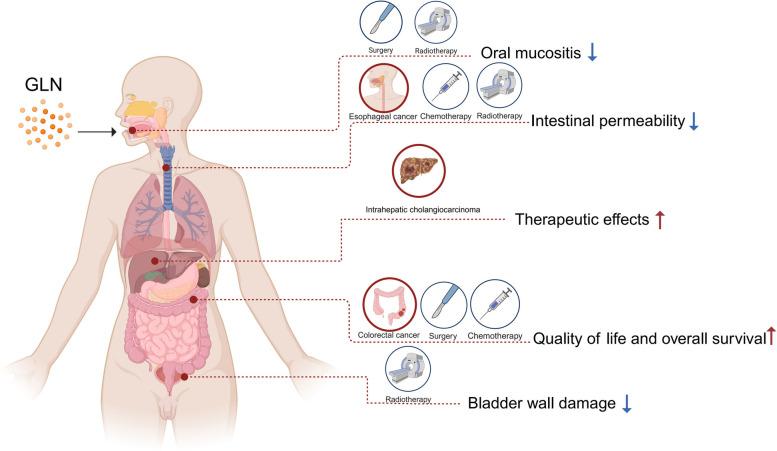
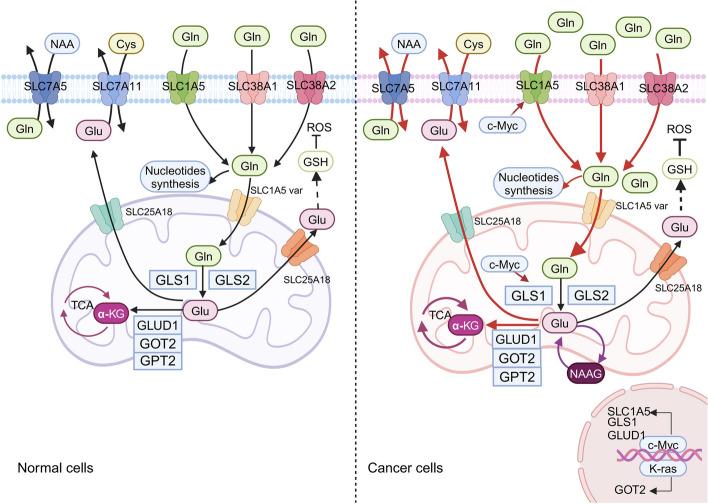
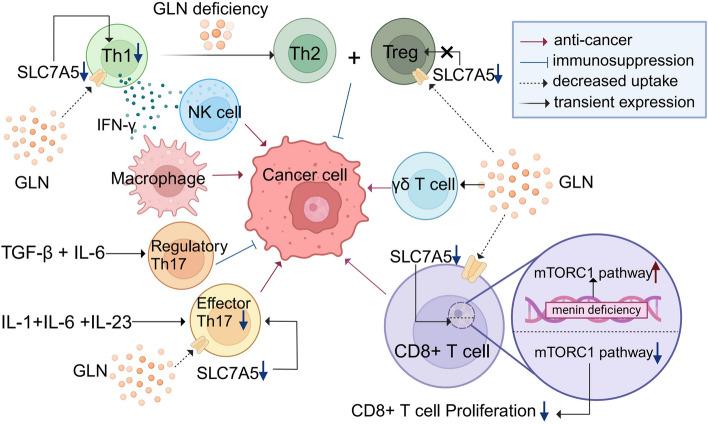
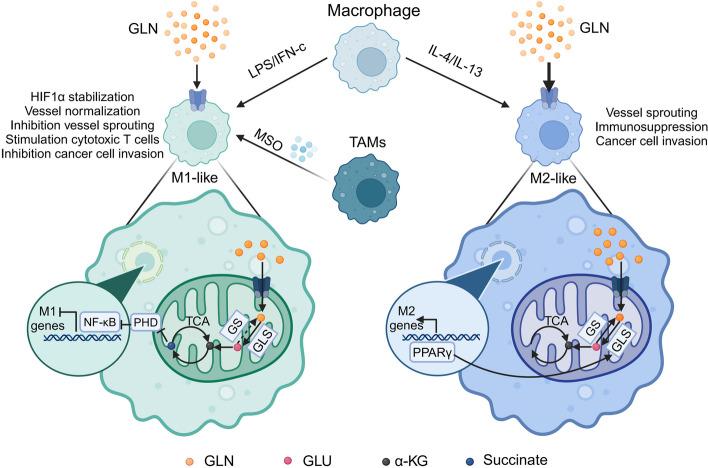
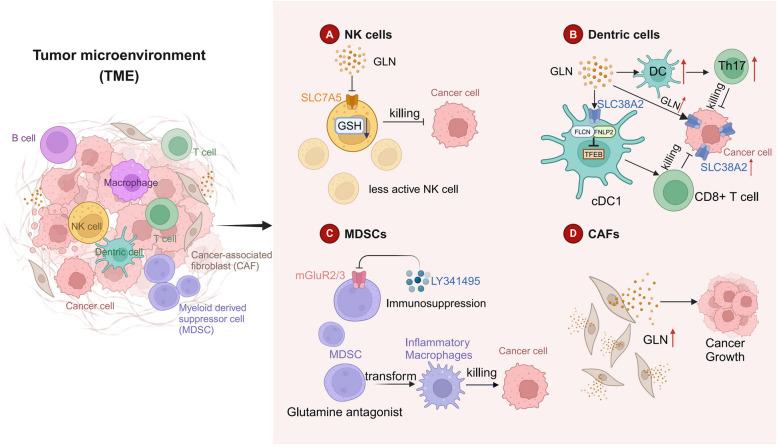
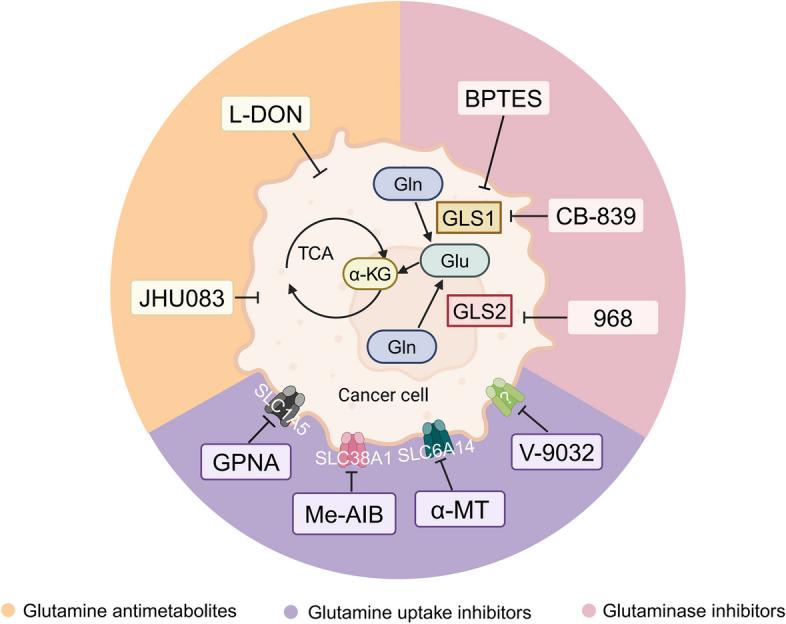
Glutamine is the most abundant amino acid in human serum, and it can provide carbon and nitrogen for biosynthesis, which is crucial for proliferating cells. Moreover, it is widely known that glutamine metabolism is reprogrammed in cancer cells. Many cancer cells undergo metabolic reprogramming targeting glutamine, increasing its uptake to meet their rapid proliferation demands. An increasing amount of study is being done on the particular glutamine metabolic pathways in cancer cells.Further investigation into the function of glutamine in immune cells is warranted given the critical role these cells play in the fight against cancer. Immune cells use glutamine for a variety of biological purposes, including the growth, differentiation, and destruction of cancer cells. With the encouraging results of cancer immunotherapy in recent years, more investigation into the impact of glutamine metabolism on immune cell function in the cancer microenvironment could lead to the discovery of new targets and therapeutic approaches.Oral supplementation with glutamine also enhances the immune capabilities of cancer patients, improves the sensitivity to chemotherapy and radiotherapy, and improves prognosis. The unique metabolism of glutamine in cancer cells, its function in various immune cells, the impact of inhibitors of glutamine metabolism, and the therapeutic use of glutamine supplements are all covered in detail in this article.
谷氨酰胺是人体血清中含量最丰富的氨基酸,它能为生物合成提供碳和氮,这对增殖细胞至关重要。此外,众所周知,癌细胞中的谷氨酰胺代谢会发生重编程。许多癌细胞针对谷氨酰胺进行代谢重编程,增加其摄取量以满足快速增殖的需求。目前针对癌细胞中特定的谷氨酰胺代谢途径的研究越来越多。鉴于免疫细胞在抗癌斗争中发挥的关键作用,有必要进一步研究谷氨酰胺在免疫细胞中的功能。免疫细胞将谷氨酰胺用于多种生物学目的,包括癌细胞的生长、分化和破坏。随着近年来癌症免疫疗法取得令人鼓舞的成果,进一步研究谷氨酰胺代谢对癌症微环境中免疫细胞功能的影响可能会发现新的靶点和治疗方法。口服补充谷氨酰胺还能增强癌症患者的免疫能力,提高对化疗和放疗的敏感性,并改善预后。本文详细介绍了癌细胞中谷氨酰胺的独特代谢、其在各种免疫细胞中的功能、谷氨酰胺代谢抑制剂的影响以及谷氨酰胺补充剂的治疗用途。
 Zotero 插件