
肠道微生物群处于肝脏氧化应激与代谢相关脂肪性肝病的交叉点
Gut Microbiota at the Crossroad of Hepatic Oxidative Stress and MASLD.
作者信息
Termite Fabrizio, Archilei Sebastiano, D'Ambrosio Francesca, Petrucci Lucrezia, Viceconti Nicholas, Iaccarino Roberta, Liguori Antonio, Gasbarrini Antonio, Miele Luca
机构信息
CEMAD Digestive Diseases Center, Fondazione Policlinico Universitario "A. Gemelli" IRCCS, Università Cattolica del Sacro Cuore, Largo A. Gemelli 8, 00168 Rome, Italy.
出版信息
Antioxidants (Basel). 2025 Jan 6;14(1):56. doi: 10.3390/antiox14010056.
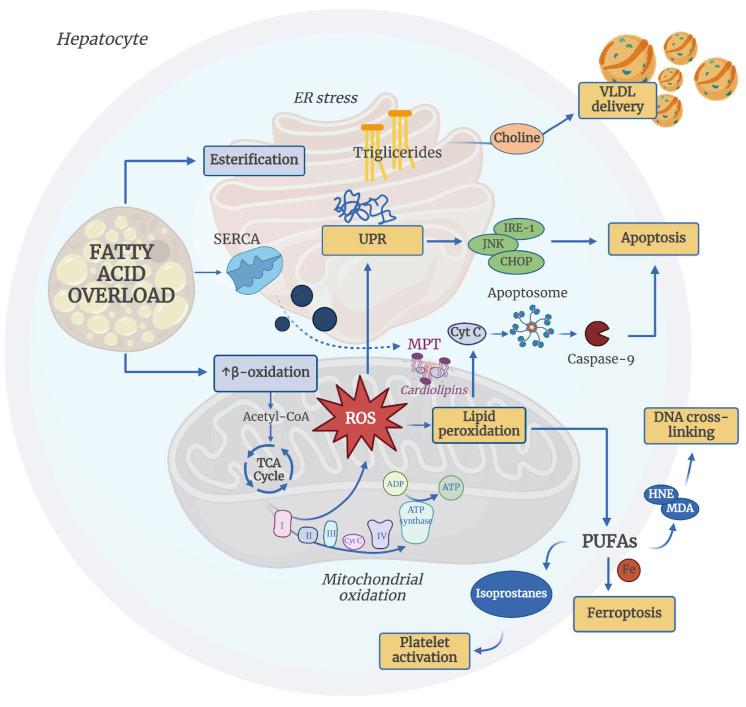
Metabolic dysfunction-associated steatotic liver disease (MASLD) is a prevalent chronic liver condition marked by excessive lipid accumulation in hepatic tissue. This disorder can lead to a range of pathological outcomes, including metabolic dysfunction-associated steatohepatitis (MASH) and cirrhosis. Despite extensive research, the molecular mechanisms driving MASLD initiation and progression remain incompletely understood. Oxidative stress and lipid peroxidation are pivotal in the "multiple parallel hit model", contributing to hepatic cell death and tissue damage. Gut microbiota plays a substantial role in modulating hepatic oxidative stress through multiple pathways: impairing the intestinal barrier, which results in bacterial translocation and chronic hepatic inflammation; modifying bile acid structure, which impacts signaling cascades involved in lipidic metabolism; influencing hepatocytes' ferroptosis, a form of programmed cell death; regulating trimethylamine N-oxide (TMAO) metabolism; and activating platelet function, both recently identified as pathogenetic factors in MASH progression. Moreover, various exogenous factors impact gut microbiota and its involvement in MASLD-related oxidative stress, such as air pollution, physical activity, cigarette smoke, alcohol, and dietary patterns. This manuscript aims to provide a state-of-the-art overview focused on the intricate interplay between gut microbiota, lipid peroxidation, and MASLD pathogenesis, offering insights into potential strategies to prevent disease progression and its associated complications.
代谢功能障碍相关脂肪性肝病(MASLD)是一种常见的慢性肝脏疾病,其特征是肝组织中脂质过度蓄积。这种疾病可导致一系列病理结果,包括代谢功能障碍相关脂肪性肝炎(MASH)和肝硬化。尽管进行了广泛的研究,但驱动MASLD发生和发展的分子机制仍未完全了解。氧化应激和脂质过氧化在“多重平行打击模型”中起关键作用,导致肝细胞死亡和组织损伤。肠道微生物群通过多种途径在调节肝脏氧化应激中发挥重要作用:损害肠道屏障,导致细菌易位和慢性肝脏炎症;改变胆汁酸结构,影响参与脂质代谢的信号级联反应;影响肝细胞的铁死亡,这是一种程序性细胞死亡形式;调节氧化三甲胺(TMAO)代谢;以及激活血小板功能,这两者最近都被确定为MASH进展中的致病因素。此外,各种外源性因素会影响肠道微生物群及其在MASLD相关氧化应激中的作用,如空气污染、体育活动、香烟烟雾、酒精和饮食模式。本文旨在提供一个最新的综述,重点关注肠道微生物群、脂质过氧化和MASLD发病机制之间的复杂相互作用,为预防疾病进展及其相关并发症的潜在策略提供见解。


 Zotero 插件