
儿童牙龈炎和牙周炎中的人类疱疹病毒、细菌和真菌:一项系统评价
Human Herpesviruses, Bacteria, and Fungi in Gingivitis and Periodontitis Pediatric Subjects: A Systematic Review.
作者信息
Di Spirito Federica, Pisano Massimo, Caggiano Mario, De Benedetto Giuseppina, Di Palo Maria Pia, Franci Gianluigi, Amato Massimo
机构信息
Department of Medicine, Surgery and Dentistry, University of Salerno, Via S. Allende, 84081 Baronissi, SA, Italy.
出版信息
Children (Basel). 2024 Dec 29;12(1):39. doi: 10.3390/children12010039.
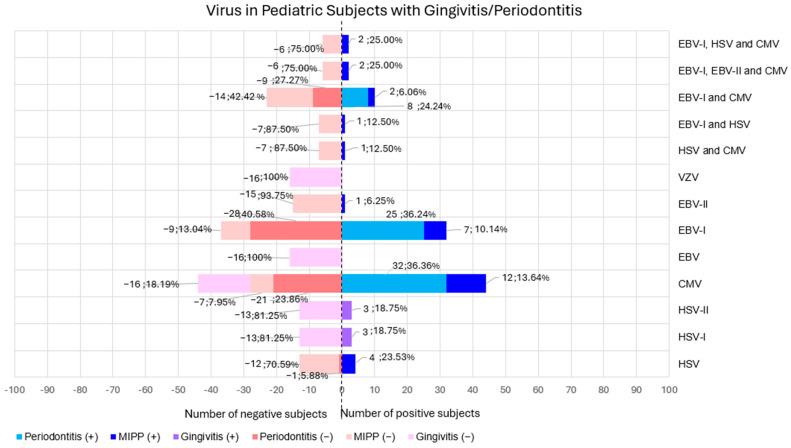
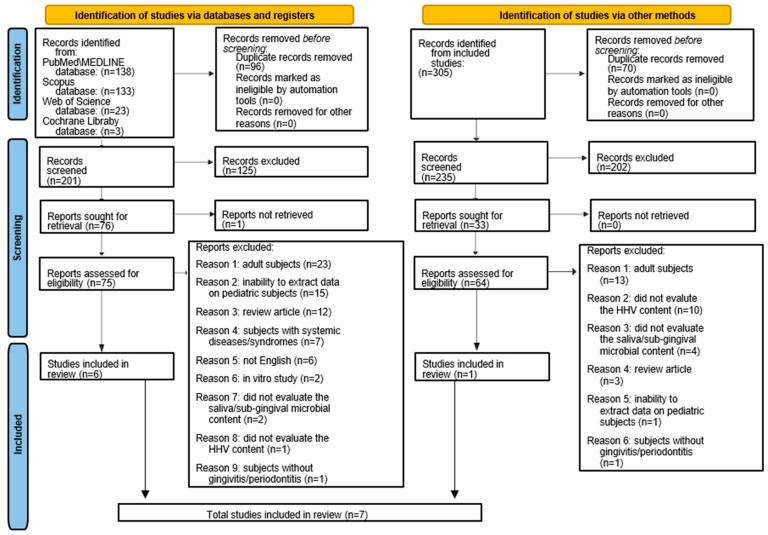
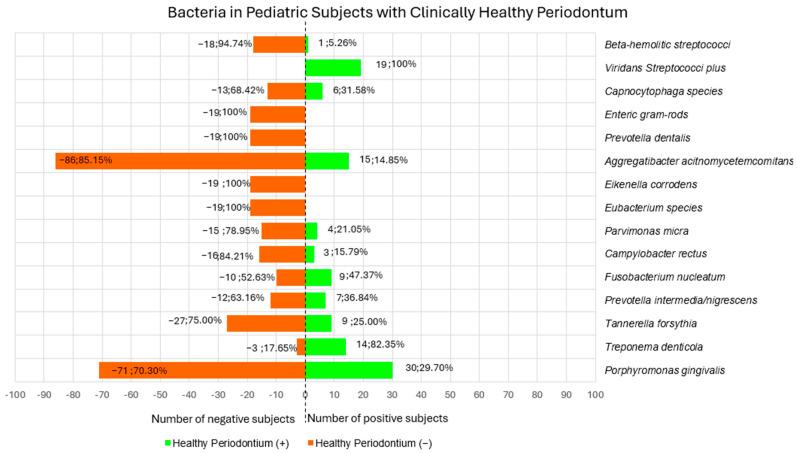
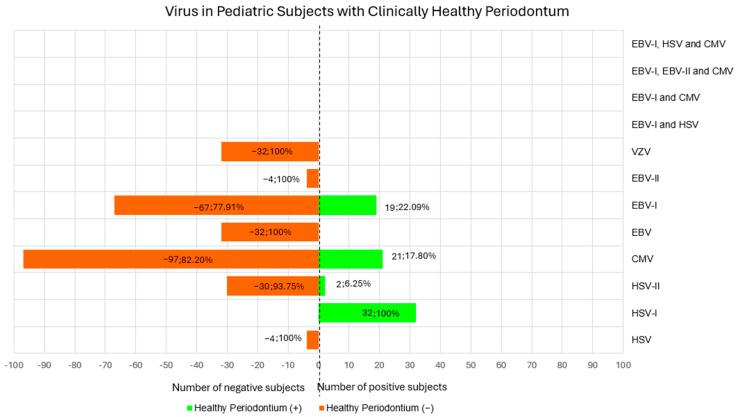
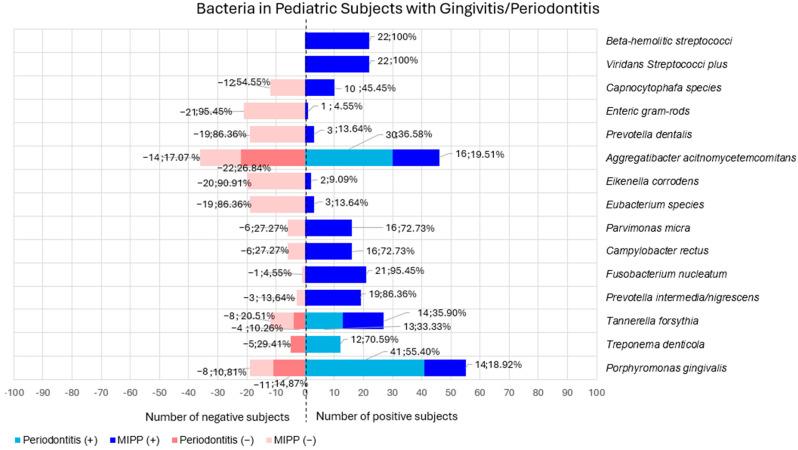
This systematic review assesses and compares the presence and relative abundance of periodontal pathogens, human herpesviruses (HHVs), and fungi in subgingival and/or saliva samples from pediatric subjects (≤18 years of age) with periodontally healthy status and with gingivitis and/or periodontitis. The study protocol was conducted under the PRISMA statement and registered on PROSPERO (CRD42024593007). Data from seven studies were descriptively analyzed and qualitatively assessed through the ROBINS-1 and JBI tools. Pediatric subjects with clinically healthy periodontium exhibited a balanced microbiome, with early colonizers ( species) supporting biofilm development and late colonizers like , (82.35%), and (29.7%) present at low levels, suggesting subclinical dysbiosis. Viruses such as HSV-I (100%), CMV (17.8%), and EBV-I (22.09%) coexisted in a likely latent state, maintained by effective immune responses. In pediatric periodontitis, biofilms were more diverse and pathogenic, with increased prevalence of (56.09%), (55.4%), and (35.9%). Generalized periodontitis showed higher CMV (36.36%) and EBV-I (36.24%) prevalence than gingivitis (HSV-I 18.75%). Coinfections were frequent in periodontitis, suggesting bacterial-viral synergy in exacerbating inflammation and tissue destruction. Fungi, although not studied, may also contribute under specific conditions. These findings highlight the role of microbial interactions in periodontal health and disease progression.
本系统评价评估并比较了牙周健康、患有牙龈炎和/或牙周炎的儿科受试者(≤18岁)龈下和/或唾液样本中牙周病原体、人类疱疹病毒(HHV)和真菌的存在情况及相对丰度。该研究方案遵循PRISMA声明进行,并在PROSPERO(CRD42024593007)上注册。通过ROBINS - 1和JBI工具对七项研究的数据进行了描述性分析和定性评估。临床牙周健康的儿科受试者表现出微生物群落平衡,早期定植菌(物种)支持生物膜形成,而晚期定植菌如 、 (82.35%)和 (29.7%)水平较低,提示存在亚临床生态失调。HSV - I(100%)、CMV(17.8%)和EBV - I(22.09%)等病毒可能以潜伏状态共存,并通过有效的免疫反应维持。在儿童牙周炎中,生物膜更加多样且具有致病性, (56.09%)、 (55.4%)和 (35.9%)的患病率增加。广泛性牙周炎显示CMV(36.36%)和EBV - I(36.24%)的患病率高于牙龈炎(HSV - I 18.75%)。牙周炎中合并感染很常见,提示细菌 - 病毒协同作用加剧炎症和组织破坏。真菌虽然未被研究,但在特定条件下也可能起作用。这些发现突出了微生物相互作用在牙周健康和疾病进展中的作用。
 Zotero 插件