
意大利南部两个地区食品中耐黏菌素菌株的分离与鉴定
Isolation and Characterization of Colistin-Resistant from Foods in Two Italian Regions in the South of Italy.
作者信息
Fraccalvieri Rosa, Bianco Angelica, Difato Laura Maria, Capozzi Loredana, Del Sambro Laura, Castellana Stefano, Donatiello Adelia, Serrecchia Luigina, Pace Lorenzo, Farina Donatella, Galante Domenico, Caruso Marta, Tempesta Maria, Parisi Antonio
机构信息
Experimental Zooprophylactic Institute of Apulia and Basilicata, 71121 Foggia, Italy.
Department of Veterinary Medicine, University Aldo Moro of Bari, Strada per Casamassima Km 3, 70010 Bari, Italy.
出版信息
Microorganisms. 2025 Jan 14;13(1):163. doi: 10.3390/microorganisms13010163.
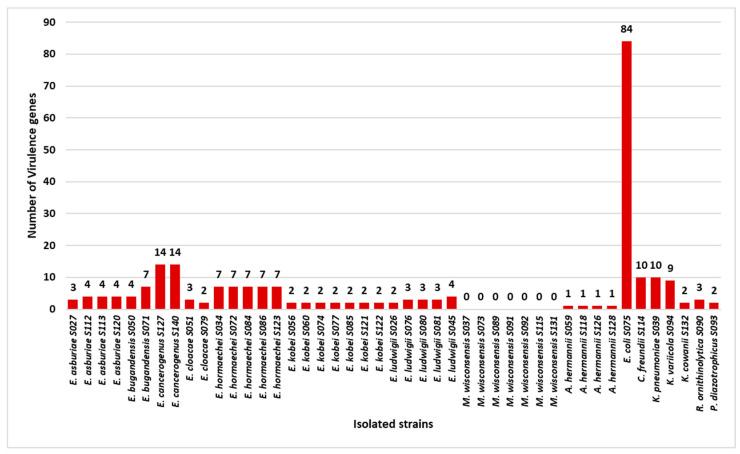
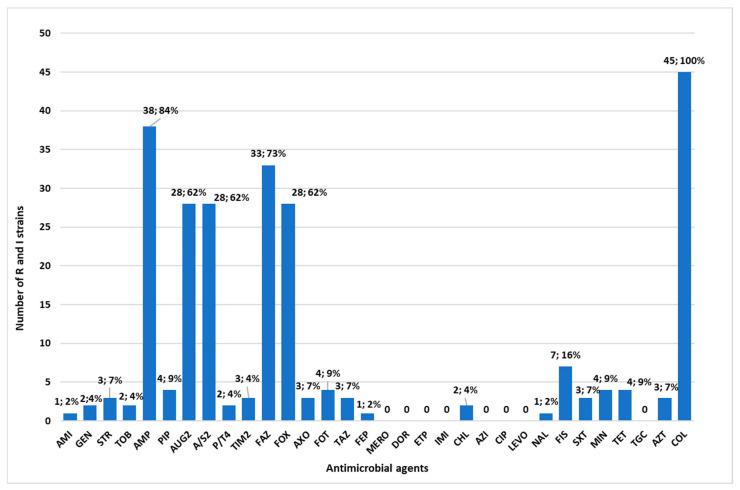
The emergence of colistin-resistant in food products is a growing concern due to the potential transfer of resistance to human pathogens. This study aimed to assess the prevalence of colistin-resistant in raw and ready-to-eat food samples collected from two regions of Italy (Apulia and Basilicata) and to evaluate their resistance phenotypes and genetic characteristics. A total of 1000 food samples were screened, with a prevalence of 4.4% of colistin-resistant . The majority of the isolates belonged to spp. (60%), followed by , , , and , among others. Genomic sequencing and antimicrobial susceptibility testing revealed high levels of resistance to β-lactams, with most isolates exhibiting multidrug resistance (MDR). Notably, seven isolates harbored genes (-1, -9, and -10). Additionally, in four of them were predicted the IncHI2 plasmids, known to facilitate the spread of colistin resistance. Furthermore, 56 antimicrobial resistance genes were identified, suggesting the genetic mechanisms underlying resistance to several antibiotic classes. Virulence gene analysis showed that and other isolates carried genes linked to pathogenicity, increasing the potential risk to public health. This study emphasizes the role of food as a potential reservoir for colistin-resistant bacteria and the importance of monitoring the spread of AMR genes in foodborne pathogens.
食品中耐黏菌素菌的出现因耐药性可能转移至人类病原体而日益受到关注。本研究旨在评估从意大利两个地区(普利亚和巴西利卡塔)采集的生食和即食食品样本中耐黏菌素菌的流行情况,并评估其耐药表型和遗传特征。共筛查了1000份食品样本,耐黏菌素菌的流行率为4.4%。大多数分离株属于 菌属(60%),其次是 、 、 等。基因组测序和抗菌药物敏感性测试显示对β-内酰胺类药物具有高度耐药性,大多数分离株表现出多重耐药(MDR)。值得注意的是,七个分离株携带 基因(-1、-9和-10)。此外,其中四个预测含有IncHI2质粒,已知该质粒有助于耐黏菌素耐药性的传播。此外,鉴定出56个抗菌耐药基因,表明对几种抗生素类别的耐药性的遗传机制。毒力基因分析表明, 及其他分离株携带与致病性相关的基因,增加了对公共卫生的潜在风险。本研究强调了食品作为耐黏菌素耐药菌潜在储存库的作用以及监测食源性病原体中抗菌耐药基因传播的重要性。


 Zotero 插件