
探索用于对抗人类原生动物疾病的创新药物重新利用策略:进展、挑战与机遇
Exploration of innovative drug repurposing strategies for combating human protozoan diseases: Advances, challenges, and opportunities.
作者信息
Hu ShanShan, Batool Zahra, Zheng Xin, Yang Yin, Ullah Amin, Shen Bairong
机构信息
Institutes for Systems Genetics, West China Hospital, Sichuan University, Chengdu, 610213, China.
出版信息
J Pharm Anal. 2025 Jan;15(1):101084. doi: 10.1016/j.jpha.2024.101084. Epub 2024 Aug 27.
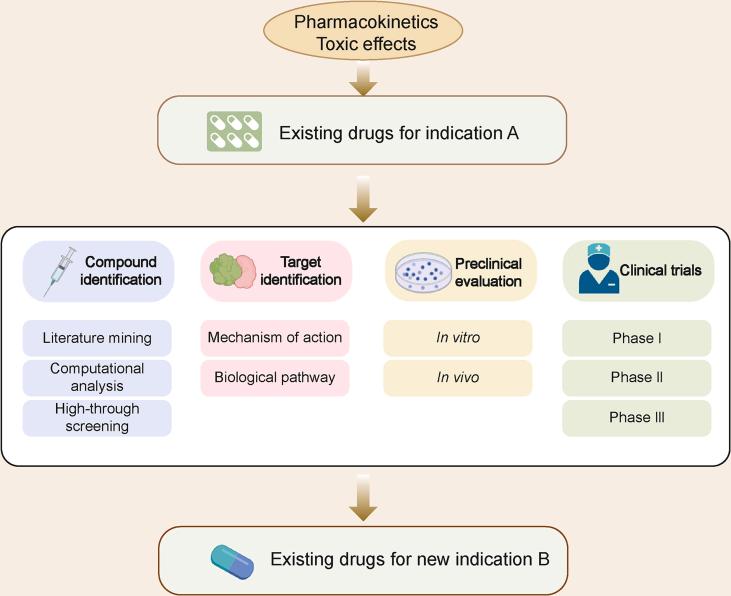
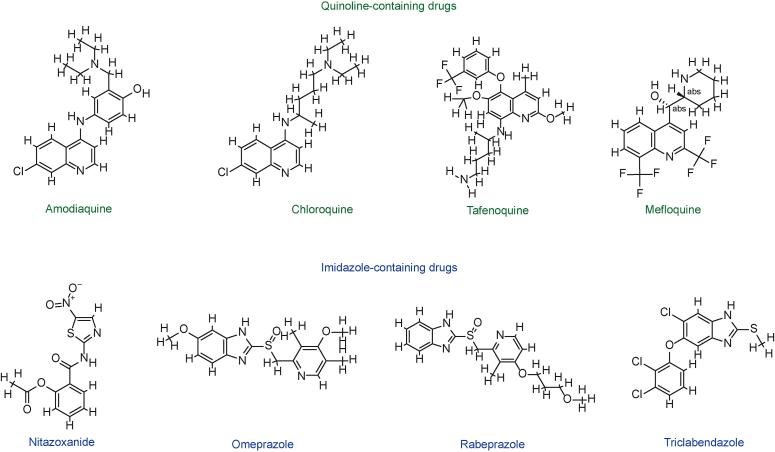
Protozoan infections (e.g., malaria, trypanosomiasis, and toxoplasmosis) pose a considerable global burden on public health and socioeconomic problems, leading to high rates of morbidity and mortality. Due to the limited arsenal of effective drugs for these diseases, which are associated with devastating side effects and escalating drug resistance, there is an urgent need for innovative antiprotozoal drugs. The emergence of drug repurposing offers a low-cost approach to discovering new therapies for protozoan diseases. In this review, we summarize recent advances in drug repurposing for various human protozoan diseases and explore cost-effective strategies to identify viable new treatments. We highlight the cross-applicability of repurposed drugs across diverse diseases and harness common chemical motifs to provide new insights into drug design, facilitating the discovery of new antiprotozoal drugs. Challenges and opportunities in the field are discussed, delineating novel directions for ongoing and future research.
原生动物感染(如疟疾、锥虫病和弓形虫病)给全球公共卫生和社会经济问题带来了相当大的负担,导致高发病率和死亡率。由于针对这些疾病的有效药物储备有限,且这些药物伴有严重的副作用和不断升级的耐药性,因此迫切需要创新的抗原生动物药物。药物重新利用的出现为发现原生动物疾病的新疗法提供了一种低成本的方法。在本综述中,我们总结了针对各种人类原生动物疾病进行药物重新利用的最新进展,并探索具有成本效益的策略以确定可行的新治疗方法。我们强调重新利用的药物在不同疾病中的交叉适用性,并利用常见的化学基序为药物设计提供新见解,以促进新型抗原生动物药物的发现。文中讨论了该领域的挑战和机遇,为正在进行的和未来的研究描绘了新的方向。


 Zotero 插件