
新型冠状病毒肺炎对发育障碍儿童住院情况的影响:西悉尼大都会医院关于健康不平等问题的经验
Impact of COVID-19 on Hospital Admissions for Children With Developmental Disadvantages: A Western Sydney Metropolitan Hospital Experience on Health Inequity.
作者信息
Li Lanxin, Bhurawala Habib, Liu Anthony
机构信息
Nepean Clinical School, Faculty of Medicine and Health, The University of Sydney, Kingswond, New South Wales, Australia.
Paediatric Department, Nepean Hospital, Kingswood, New South Wales, Australia.
出版信息
J Paediatr Child Health. 2025 May;61(5):714-720. doi: 10.1111/jpc.16798. Epub 2025 Feb 5.
AIMS
To investigate the impact of Sydney's COVID-19 lockdown on children with developmental disadvantages and reflect on current clinical practice.
METHODS
Retrospective data was collected from a western Sydney metropolitan hospital's electronic database and patients. We reviewed all children with Autism Spectrum Disorder (ASD), Cerebral Palsy (CP) or Intellectual Disability (ID) admitted 36 months prior to and after lockdown policy being implemented.
RESULTS
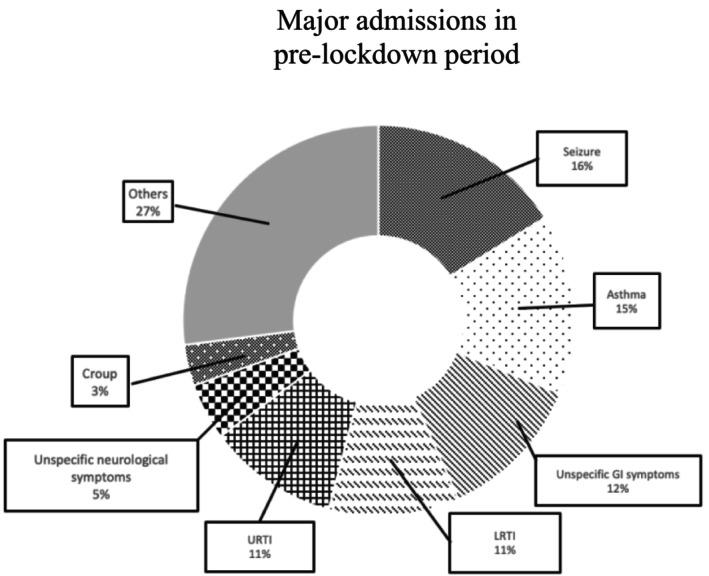
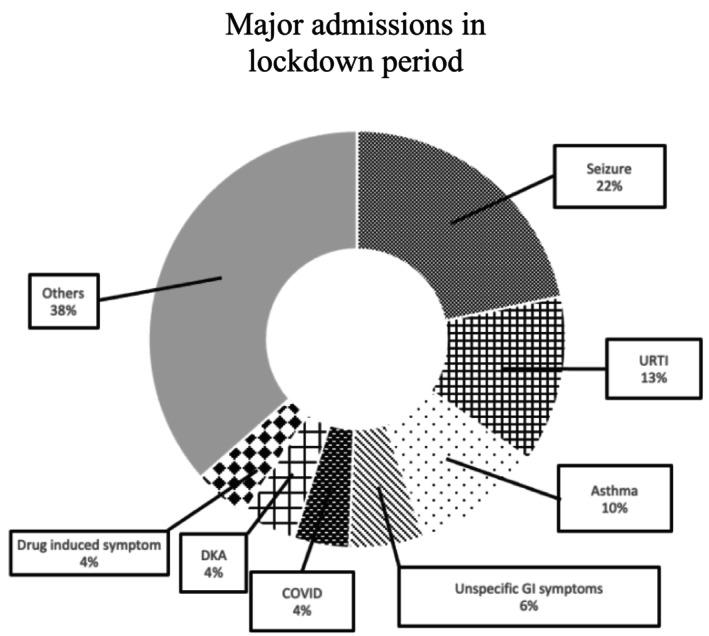
The prevalence of hospital presentation was reduced during the lockdown period. The average length of stay (LoS) increased by approximately 1.5 folds. Comparatively, the average LoS of the general paediatric population increased minimally. Seizures, asthma, and upper respiratory tract infections were the three commonest issues for hospital admissions in both periods. COVID-19 infection accounted for 4% of admissions in the lockdown period. Around 20.8% of patients with disadvantages were admitted with more than two major issues. None of these patients had concurrent COVID-19 infection.
CONCLUSIONS
Children with developmental disabilities experience greater disadvantages during lockdown. The likely reasons include inequity caused by increased barriers to healthcare service. The indirect benefit of reducing infection transmission during lockdown was not reflected in our patient group, contributing to the disease burden. Chronic diseases remain the most common causes of admissions in all periods, suggesting the essentiality of improving chronic disease management in future clinical practice.
目的
调查悉尼新冠疫情封锁措施对发育存在缺陷儿童的影响,并反思当前的临床实践。
方法
从悉尼西部一家大都市医院的电子数据库和患者中收集回顾性数据。我们回顾了在封锁政策实施前后36个月内收治的所有自闭症谱系障碍(ASD)、脑瘫(CP)或智力残疾(ID)儿童。
结果
封锁期间医院就诊率有所降低。平均住院时间(LoS)增加了约1.5倍。相比之下,普通儿科人群的平均住院时间增幅极小。癫痫、哮喘和上呼吸道感染是两个时期最常见的三种入院原因。新冠病毒感染占封锁期间入院人数的4%。约20.8%的发育存在缺陷患者因两个以上主要问题入院。这些患者均未并发新冠病毒感染。
结论
发育障碍儿童在封锁期间面临更大的不利处境。可能的原因包括医疗服务障碍增加导致的不公平。封锁期间减少感染传播的间接益处未在我们的患者群体中体现,从而加重了疾病负担。慢性病仍是所有时期入院的最常见原因,这表明在未来临床实践中改善慢性病管理至关重要。

 Zotero 插件