
利用纳米颗粒重塑肝细胞癌的肿瘤免疫微环境
Harnessing nanoparticles for reshaping tumor immune microenvironment of hepatocellular carcinoma.
作者信息
Li JinSong, Zhang GuanBo, Li Gang, Zhang Jie, Yang Zhi, Yang Lin, Jiang ShiJie, Wang JiaXing
机构信息
Department of Hepatobiliary Vascular Surgery, Chengdu Seventh People's Hospital, Chengdu, 610041, Sichuan, China.
出版信息
Discov Oncol. 2025 Feb 5;16(1):121. doi: 10.1007/s12672-025-01897-6.
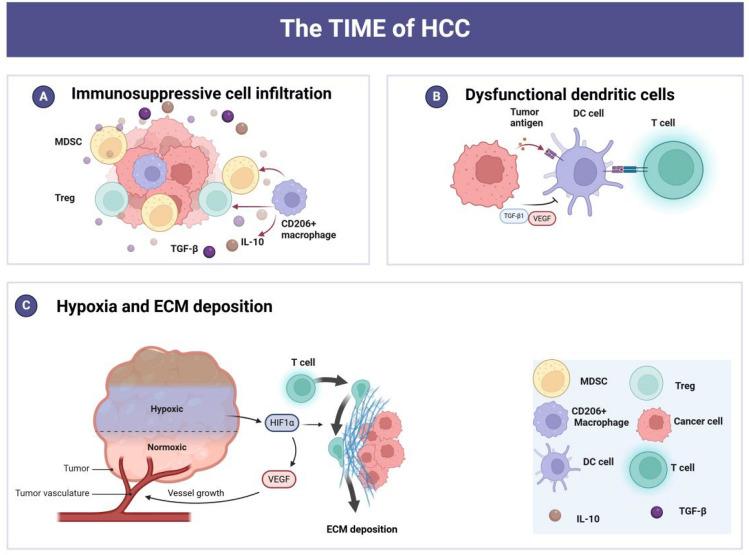
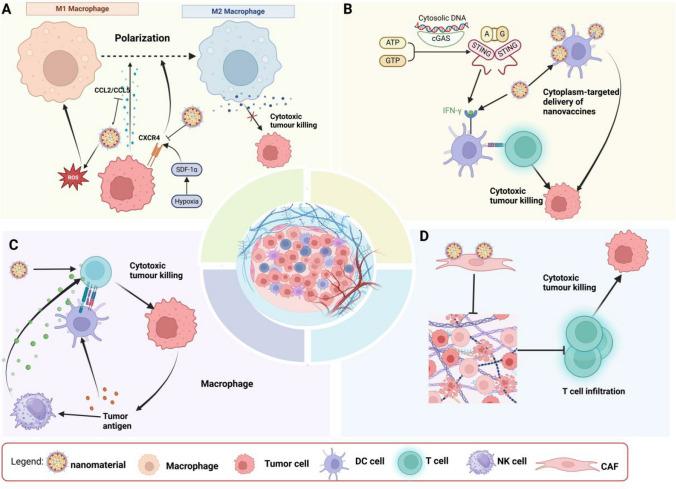
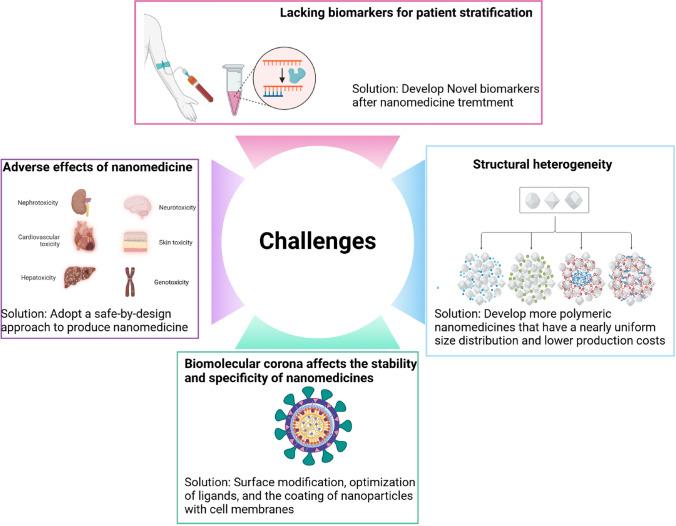
Hepatocellular carcinoma (HCC) is one of the most prevalent cancers, characterized by high morbidity and mortality rates. Recently, immunotherapy has emerged as a crucial treatment modality for HCC, following surgery, locoregional therapies, and targeted therapies. This approach harnesses the body's immune system to target and eliminate cancer cells, potentially resulting in durable antitumor responses. However, acquired resistance and the tumor immunosuppressive microenvironment (TIME) significantly hinder its clinical application. Recently, advancements in nanotechnology, coupled with a deeper understanding of cancer biology and nano-biological interactions, have led to the development of various nanoparticles aimed at enhancing therapeutic efficacy through specific targeting of tumor tissues. These nanoparticles increase the accumulation of immunotherapeutic drugs within the tumor microenvironment, thereby transforming the TIME. In this review, we provide a concise overview of the fundamental principles governing the TIME landscape in HCC and discuss the rationale for and applications of nanoparticles in this context. Additionally, we highlight existing challenges and potential opportunities for the clinical translation of cancer nanomedicines.
肝细胞癌(HCC)是最常见的癌症之一,其发病率和死亡率都很高。近年来,免疫疗法已成为继手术、局部区域治疗和靶向治疗之后治疗HCC的关键治疗方式。这种方法利用人体免疫系统来靶向和消除癌细胞,有可能产生持久的抗肿瘤反应。然而,获得性耐药和肿瘤免疫抑制微环境(TIME)严重阻碍了其临床应用。最近,纳米技术的进步,加上对癌症生物学和纳米生物相互作用的更深入理解,促使人们开发出各种纳米颗粒,旨在通过特异性靶向肿瘤组织来提高治疗效果。这些纳米颗粒增加了免疫治疗药物在肿瘤微环境中的积累,从而改变了TIME。在这篇综述中,我们简要概述了HCC中TIME格局的基本原理,并讨论了在此背景下纳米颗粒的原理和应用。此外,我们强调了癌症纳米药物临床转化中存在的挑战和潜在机会。

 Zotero 插件