
抗菌肽AP2通过调节肠道微生物群改善鼠伤寒沙门氏菌感染。
Antimicrobial peptide AP2 ameliorates Salmonella Typhimurium infection by modulating gut microbiota.
作者信息
Li Lianglan, Mo Qiufen, Wan Yi, Zhou Yuanhao, Li Weiqin, Li Weifen
机构信息
Department of Critical Care Medicine, Nanjing Jinling Hospital, Affiliated Hospital of Medical School, Nanjing University, Nanjing, China.
Key Laboratory of Animal Molecular Nutrition of Education of Ministry, College of Animal Sciences, Zhejiang University, Hangzhou, China.
出版信息
BMC Microbiol. 2025 Feb 5;25(1):64. doi: 10.1186/s12866-025-03776-0.
BACKGROUND
Endogenous antimicrobial peptides and proteins are essential for shaping and maintaining a healthy gut microbiota, contributing to anti-inflammatory responses and resistance to pathogen colonization. Salmonella enterica subsp. enterica serovar Typhimurium (ST) infection is one of the most frequently reported bacterial diseases worldwide. Manipulation of the gut microbiota through exogenous antimicrobial peptides may protect against ST colonization and improve clinical outcomes.
RESULTS
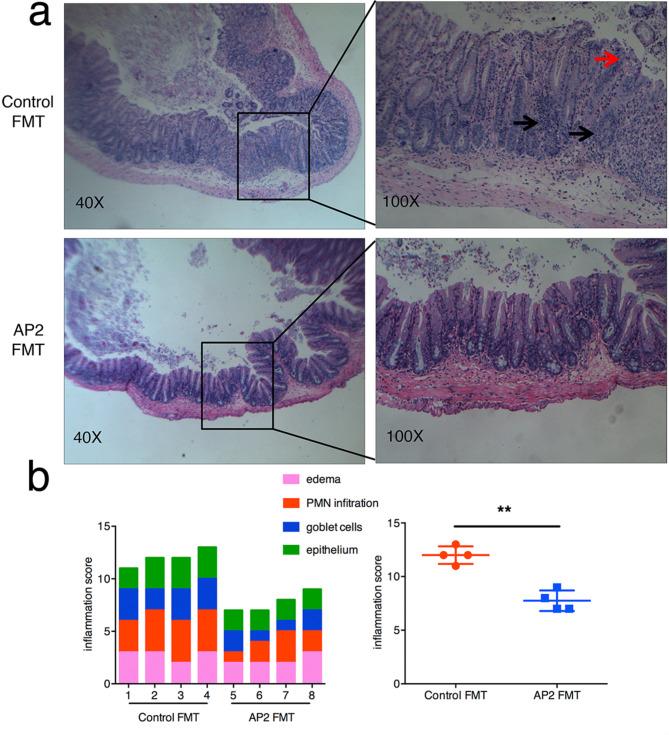
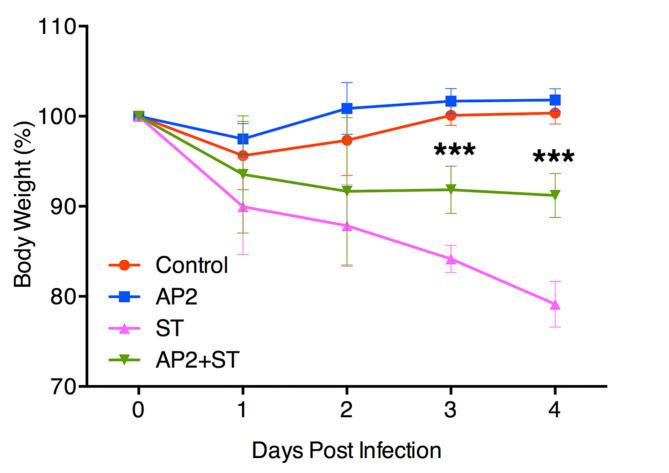
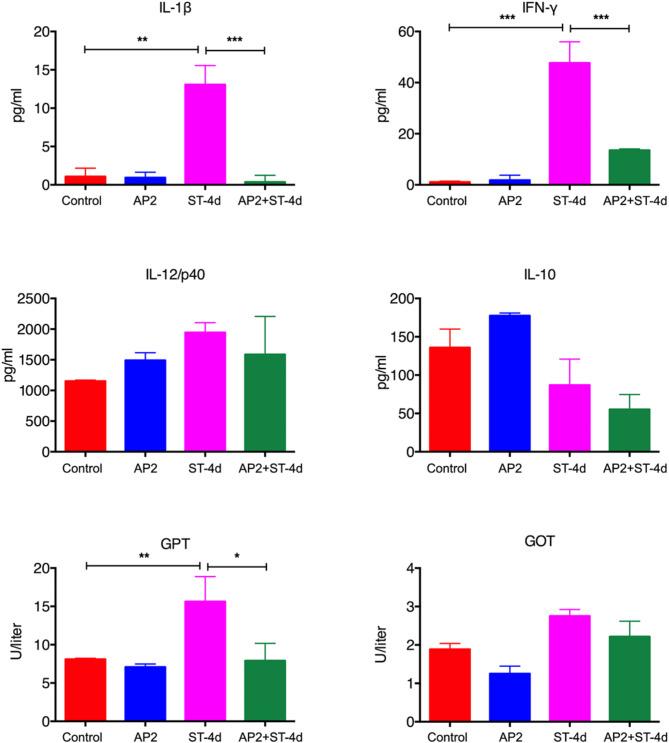
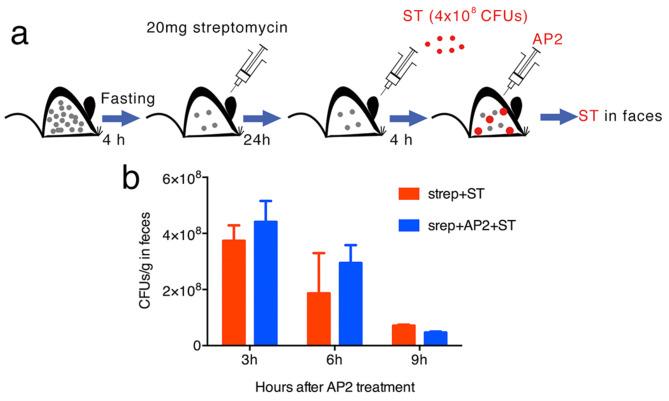
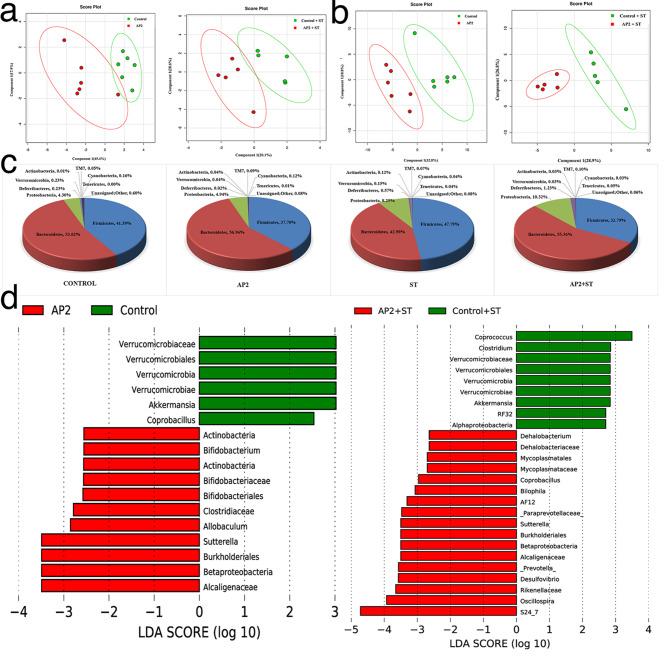
This study demonstrated that oral administration of the antimicrobial peptide AP2 (2 µg /mouse), an optimized version of native apidaecin IB (AP IB), provided protective effects against ST infection in mice. These effects were evidenced by reduced ST-induced body weight loss and lower levels of serum inflammatory cytokines. A 16 S rRNA-based analysis of the cecal microbiota revealed that AP2 significantly modulated the gut microbiota, increasing the relative abundance of Bifidobacterium while decreasing that of Akkermansia at the genus level. Furthermore, the transplantation of fecal microbiota from AP2-treated donor mice, rather than from Control mice, significantly reduced cecal damage caused by ST and decreased the concentration of ST by one order of magnitude after infection.
CONCLUSIONS
These findings reveal a novel mechanism by which exogenous antimicrobial peptides mitigate Salmonella Typhimurium infection through the modulation of gut microbiota.
背景
内源性抗菌肽和蛋白质对于塑造和维持健康的肠道微生物群至关重要,有助于抗炎反应和抵抗病原体定植。肠炎沙门氏菌肠炎亚种鼠伤寒血清型(ST)感染是全球报告最频繁的细菌性疾病之一。通过外源性抗菌肽操纵肠道微生物群可能预防ST定植并改善临床结果。
结果
本研究表明,口服抗菌肽AP2(2微克/小鼠),即天然蜜蜂防御素IB(AP IB)的优化版本,对小鼠ST感染具有保护作用。ST诱导的体重减轻减少和血清炎性细胞因子水平降低证明了这些作用。基于16S rRNA的盲肠微生物群分析表明,AP2显著调节肠道微生物群,在属水平上增加双歧杆菌的相对丰度,同时降低阿克曼氏菌的相对丰度。此外,移植来自AP2处理的供体小鼠而非对照小鼠的粪便微生物群,可显著减少ST引起的盲肠损伤,并在感染后将ST浓度降低一个数量级。
结论
这些发现揭示了一种新机制,即外源性抗菌肽通过调节肠道微生物群减轻鼠伤寒沙门氏菌感染。

 Zotero 插件