
柴胡皂苷A通过调节肠道菌群和炎症反应减轻利血平诱导的小鼠抑郁样行为。
Saikosaponin A alleviates depressive-like behavior induced by reserpine in mice by regulating gut microflora and inflammatory responses.
作者信息
Wang Menglin, Li Haojun, Zhang Wenjing, Zhang Li, Wang Shun, Jia Miao, Jia Lu, Zhang Yu, Gao Haifei, Zhang Xianwu, Yin Zhaohui
机构信息
Inner Mongolia Mental Health Center (The Third Hospital of Inner Mongolia Autonomous Region, Brain Hospital of Inner Mongolia Autonomous Region), Hohhot, P. R. China.
College of Veterinary Medicine, Northeast Agricultural University, Harbin, P. R. China.
出版信息
PLoS One. 2025 Feb 10;20(2):e0311207. doi: 10.1371/journal.pone.0311207. eCollection 2025.
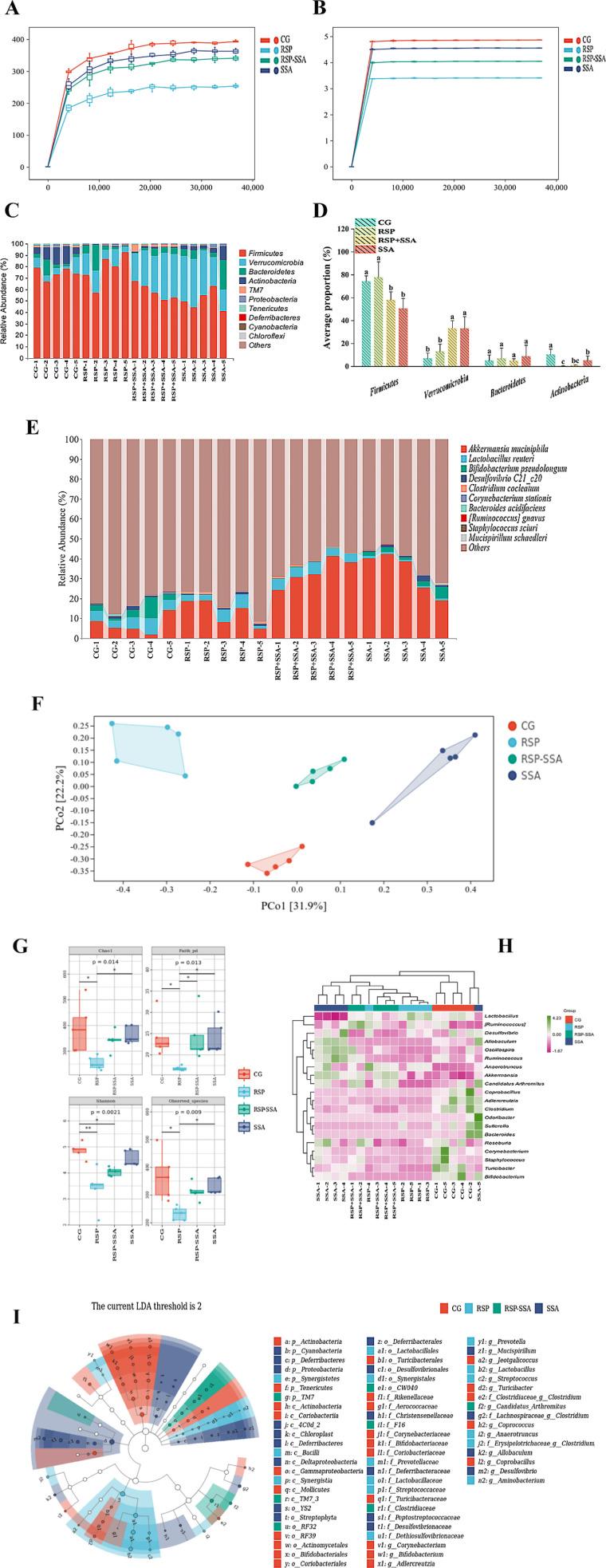
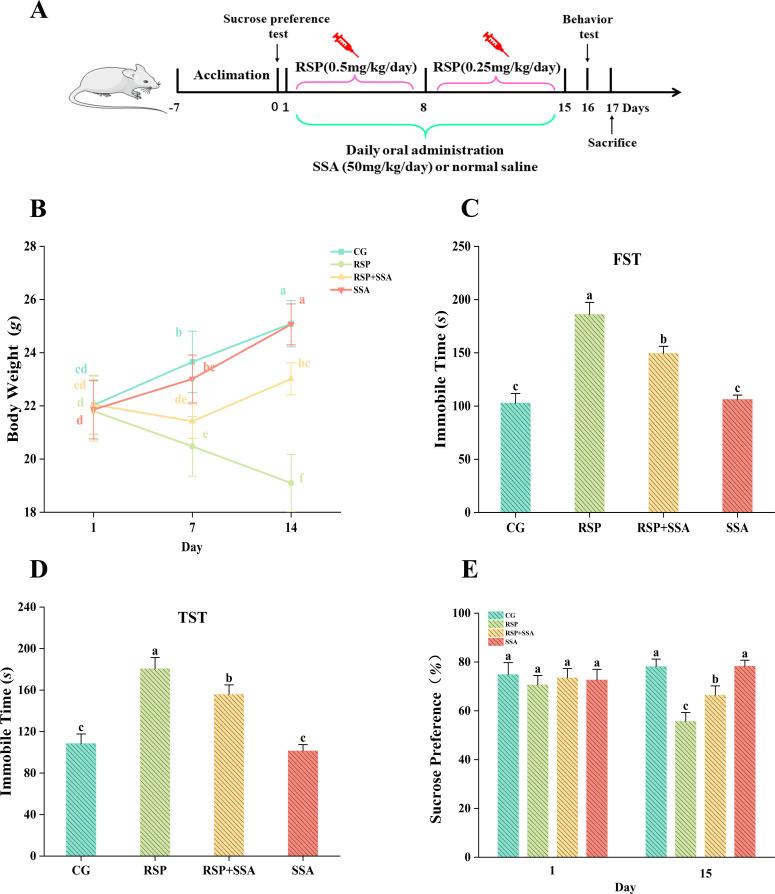
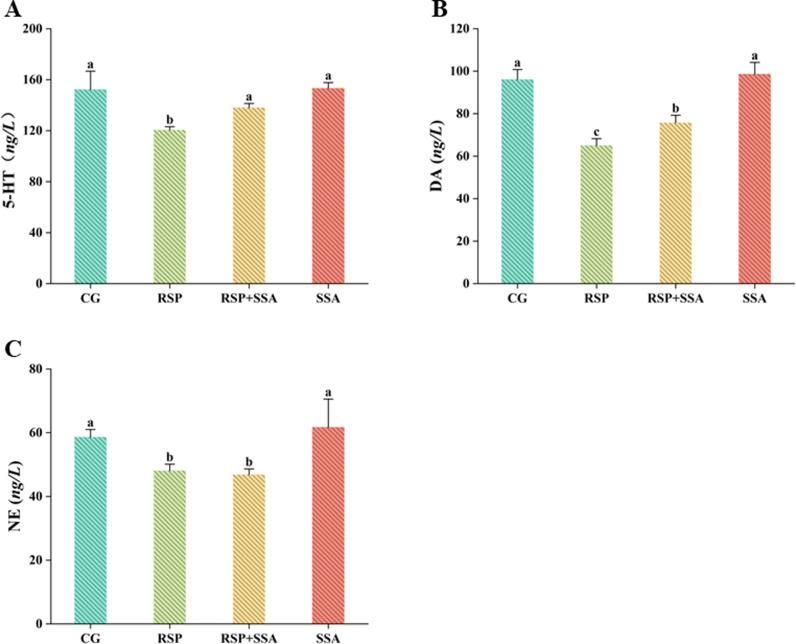
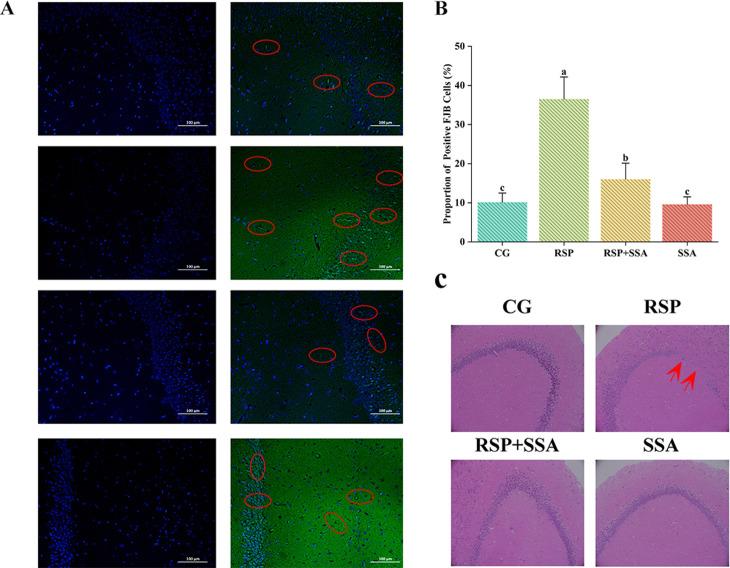
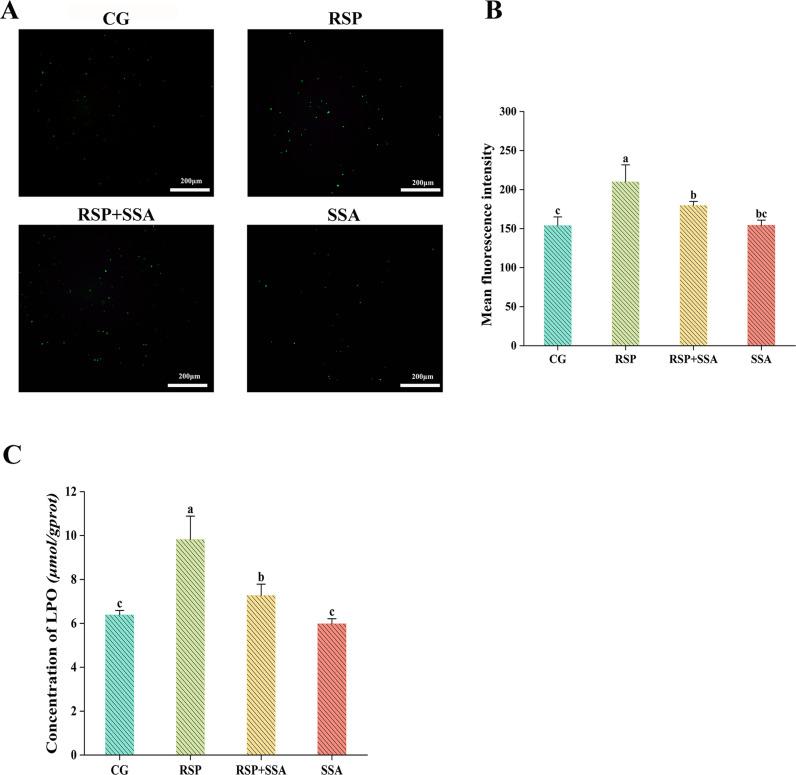
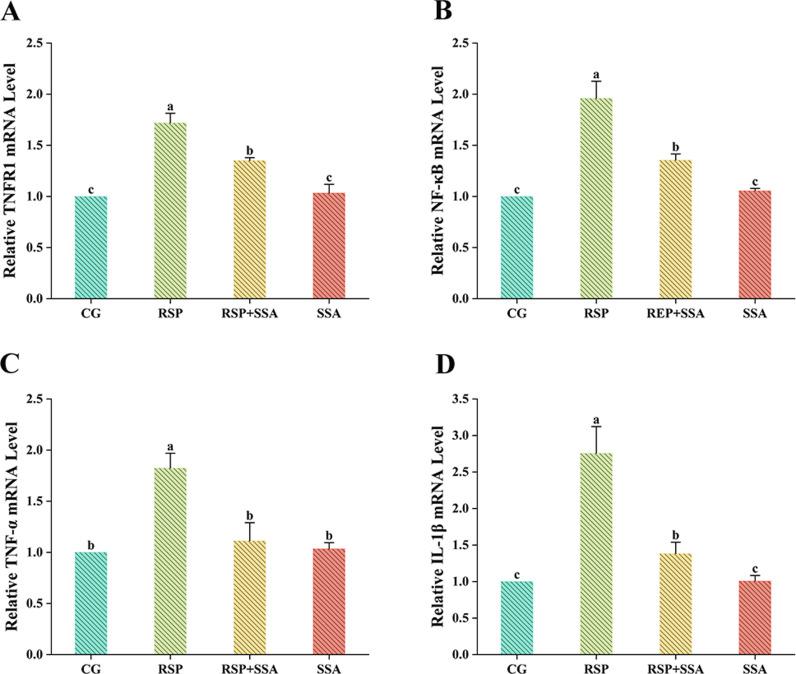
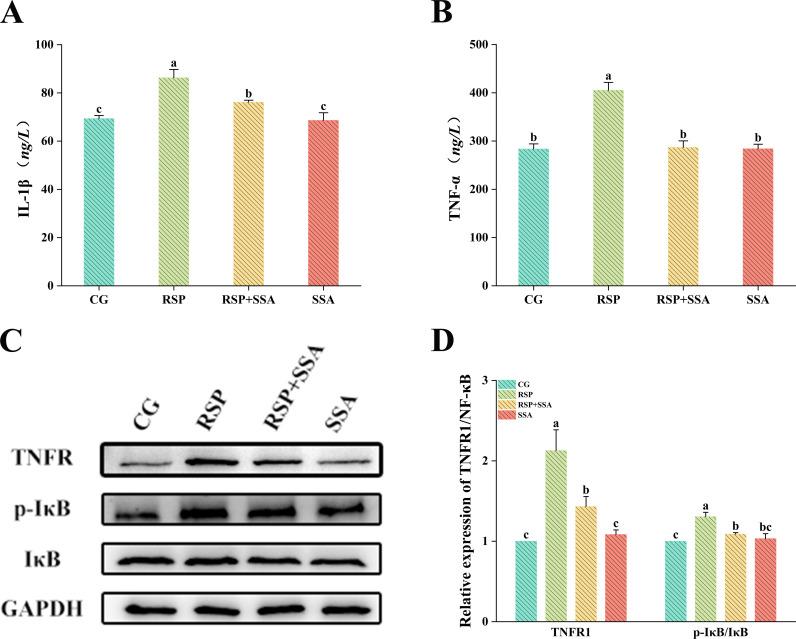
Saikosaponin A (SSA), a key ingredient of Chaihu-Shugan-San, has been shown to possess anti-inflammatory, antioxidant and antidepressant properties. Therefore, the present study aimed to investigate the potential mechanism of action and the effect of SSA on reserpine-induced depressive-like symptoms in mice. Establishing mouse model of depression using intraperitoneal injection of reserpine (RSP). Forced swimming test, tail suspension test and sucrose preference test were used to assess depression-like behavior in mice. The results showed that mice exposed to RSP not only showed weight loss and depressive behavior, but also elevated levels of IL-1β and TNF-α, as well as upregulated levels of reactive oxygen species (ROS) and lipid peroxides in the hippocampus. Detection of changes in the intestinal flora of mice using 16S rRNA, it was observed that the intestinal flora changed following SSA treatment. Not only was there an increase in the overall abundance of the intestinal microbiota, but there was also a significant down-regulation of the Firmicutes and an up-regulation of the Verrucomicrobia at the phylum level. Furthermore, SSA treatment markedly improved depressive-like behavior induced by RSP, alleviated damage to the hippocampus, elevated levels of monoamine neurotransmitters, suppressed inflammatory factors in the hippocampus, reduced hippocampal oxidative stress, and restored gut microbiota disruption in RSP-induced mice. The findings propose that SSA has the potential to alleviate depressive symptoms in mice by enhancing monoamine neurotransmitter levels, suppressing hippocampal inflammation, and modifying gut microbial composition.
柴胡疏肝散的关键成分柴胡皂苷A(SSA)已被证明具有抗炎、抗氧化和抗抑郁特性。因此,本研究旨在探讨SSA对利血平诱导的小鼠抑郁样症状的潜在作用机制和影响。通过腹腔注射利血平(RSP)建立小鼠抑郁模型。采用强迫游泳试验、悬尾试验和蔗糖偏好试验评估小鼠的抑郁样行为。结果显示,暴露于RSP的小鼠不仅体重减轻且出现抑郁行为,海马中白细胞介素-1β和肿瘤坏死因子-α水平升高,活性氧(ROS)和脂质过氧化物水平上调。利用16S rRNA检测小鼠肠道菌群的变化,观察到SSA处理后肠道菌群发生改变。不仅肠道微生物群的总体丰度增加,而且在门水平上厚壁菌门显著下调,疣微菌门上调。此外,SSA处理显著改善了RSP诱导的抑郁样行为,减轻了海马损伤,提高了单胺类神经递质水平,抑制了海马中的炎症因子,降低了海马氧化应激,并恢复了RSP诱导小鼠的肠道微生物群紊乱。研究结果表明,SSA有可能通过提高单胺类神经递质水平、抑制海马炎症和改变肠道微生物组成来减轻小鼠的抑郁症状。
 Zotero 插件