
作为条件培养基的皮肤间充质干细胞分泌组可防止皮肤成纤维细胞向肌成纤维细胞的促纤维化分化。
Skin Telocyte Secretome as Conditioned Medium Prevents Profibrotic Differentiation of Skin Fibroblasts into Myofibroblasts.
作者信息
Rosa Irene, Fioretto Bianca Saveria, Andreucci Elena, Biagioni Alessio, Romano Eloisa, Manetti Mirko
机构信息
Section of Anatomy and Histology, Department of Experimental and Clinical Medicine, University of Florence, Largo Brambilla 3, 50134 Florence, Italy.
Imaging Platform, Department of Experimental and Clinical Medicine, University of Florence, Largo Brambilla 3, 50134 Florence, Italy.
出版信息
Int J Mol Sci. 2025 Feb 2;26(3):1284. doi: 10.3390/ijms26031284.
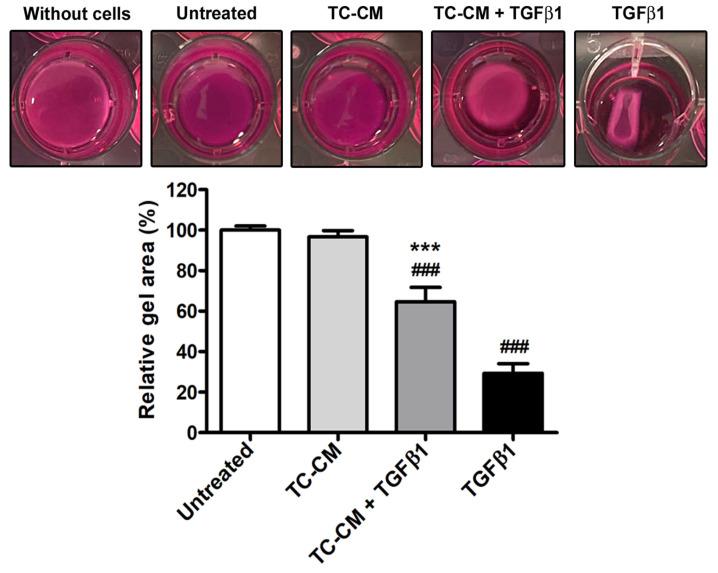
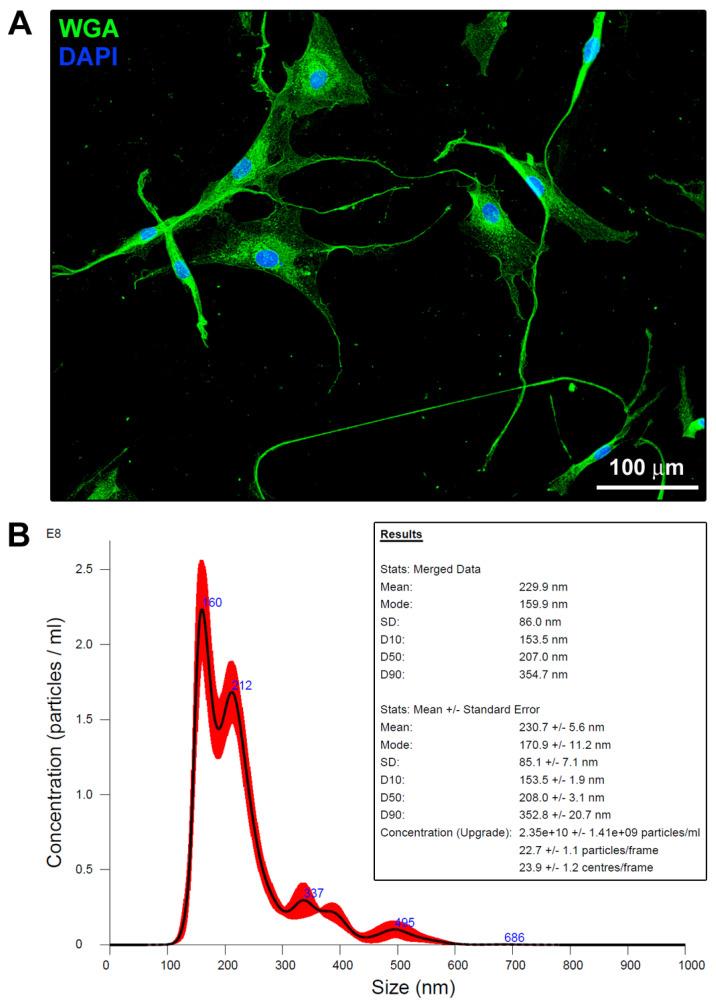
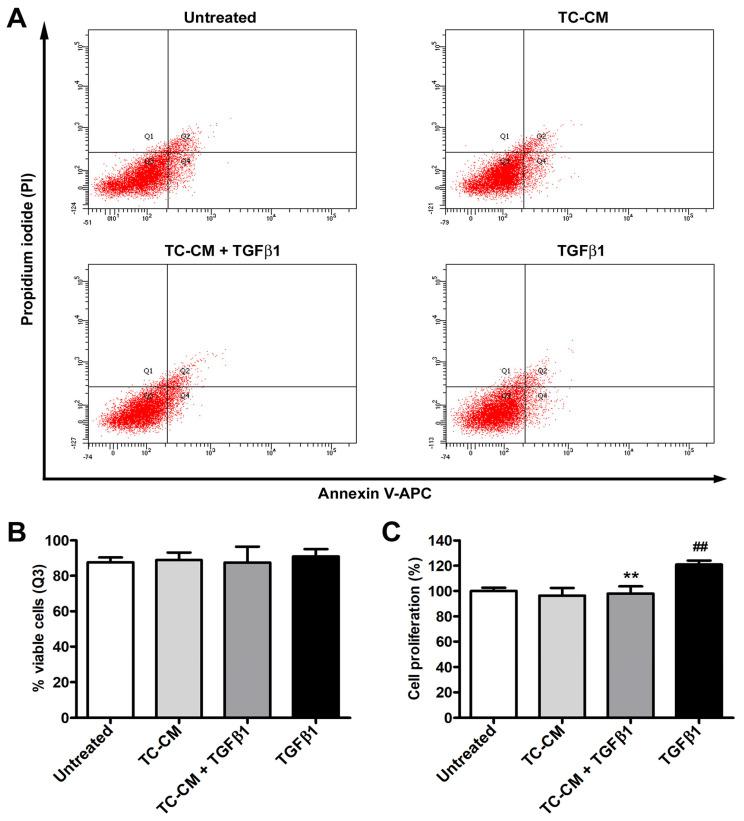
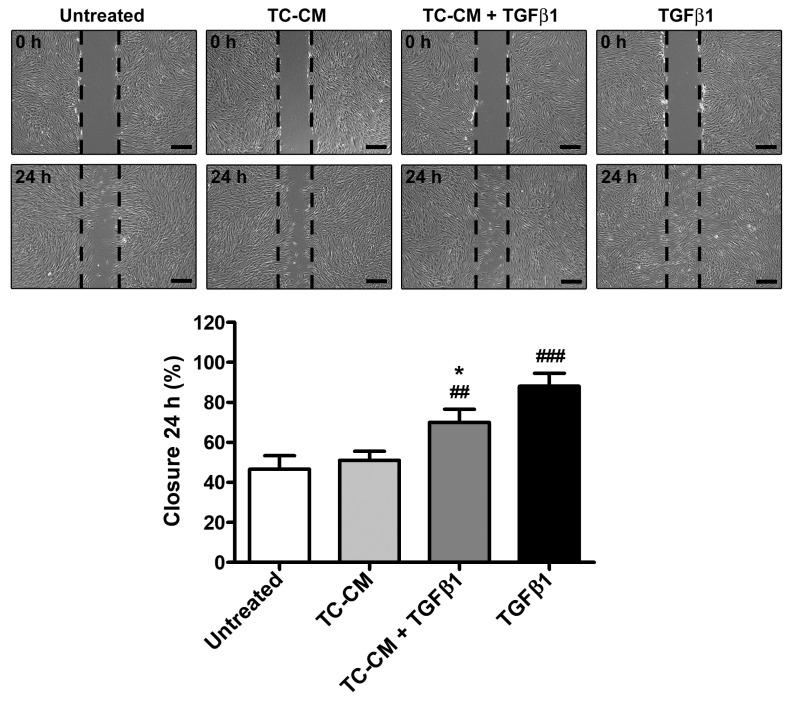
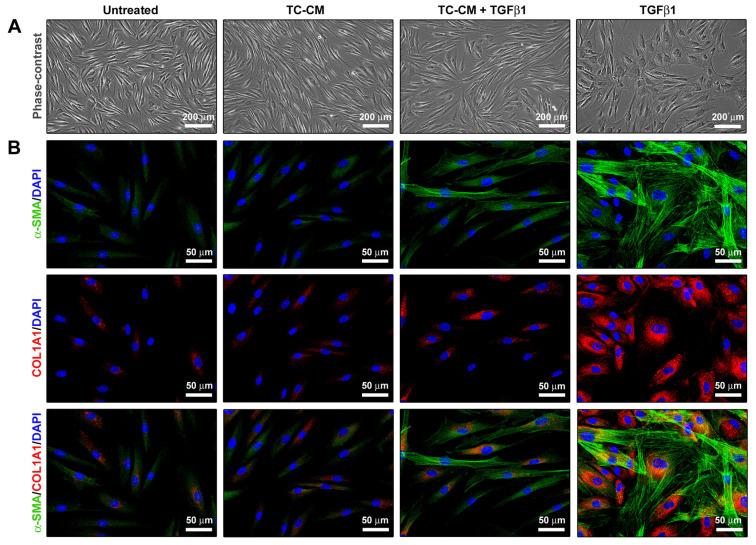
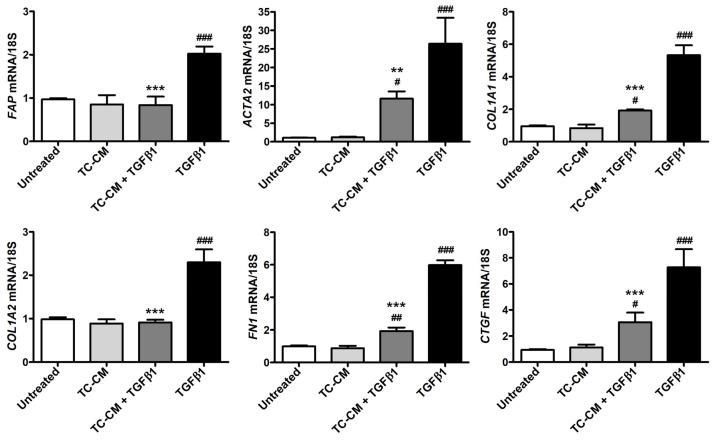
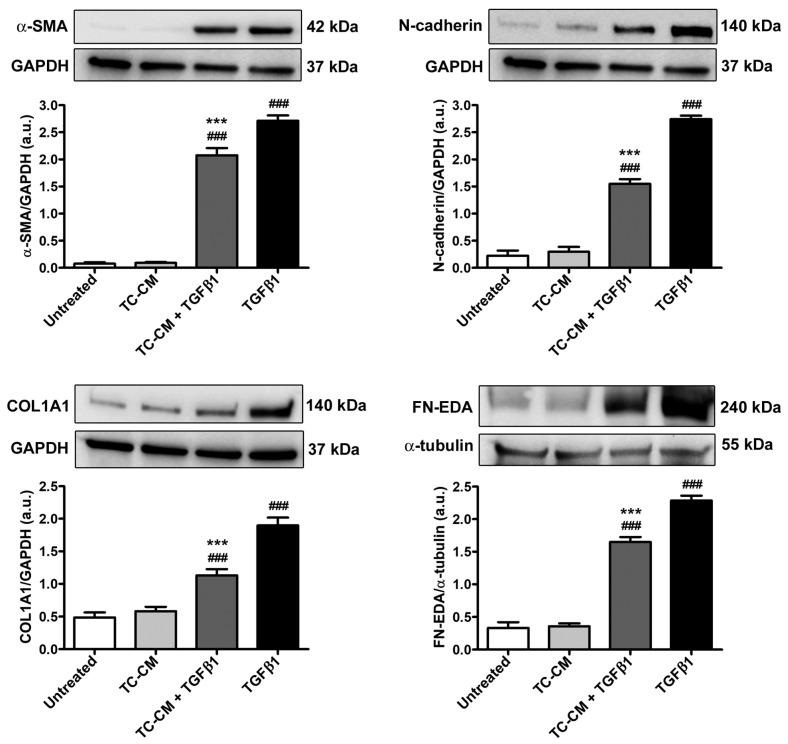
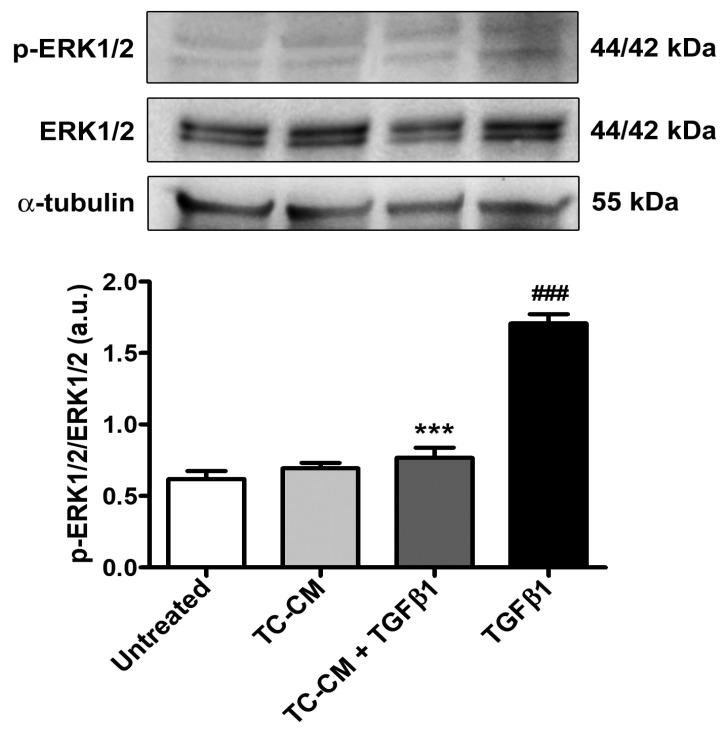
Telocytes (TCs) are distinctive cells widely localized in the stromal compartment of several human organs, including the skin. By means of their peculiar prolongations named telopodes, skin TCs are organized in networks interconnected with a variety of adjacent cells, being thus supposed to take part in skin homeostasis through both cell-to-cell contacts and the release of extracellular vesicles. A disarrangement/loss of the TC network was shown in human fibrotic skin as well as in the murine model of bleomycin-induced cutaneous fibrosis, but whether such TC alterations may represent just a consequence or a trigger of the fibrotic process still remains to be clarified. Thus, we investigated the effects of skin TC secretome as conditioned medium (TC-CM) on the transition of skin fibroblasts into myofibroblasts promoted by the master profibrotic cytokine transforming growth factor β1 (TGFβ1). Primary cultures of both adult human skin TCs and fibroblasts were obtained by means of immunomagnetic cell separation. Nanoparticle tracking analysis was carried out to measure extracellular vesicles in TC-CM. The combination of multiple morphological, gene/protein expression, and functional assessments demonstrated that TC-CM was able to significantly prevent TGFβ1-induced fibroblast-to-myofibroblast transition. TC-CM did not influence cell viability, while it effectively inhibited TGFβ1-induced fibroblast proliferation, migration, and morphological changes. Indeed, TC-CM was able to reduce TGFβ1-mediated skin fibroblast phenotypic and functional differentiation into myofibroblasts, as shown by a significant decrease in , , , , , and gene expression, α-smooth muscle actin, N-cadherin, COL1A1, and FN-EDA protein levels, and collagen gel matrix contraction. Furthermore, TC-CM significantly lowered TGFβ1-mediated ERK1/2 signaling pathway activation. This in vitro study proves for the first time that TCs may play an important role in skin homeostasis through the prevention of fibroblast-to-myofibroblast transition via paracrine mechanisms and affords the necessary basis to investigate in the future the feasibility of TC secretome as an innovative antifibrotic therapeutic tool.
端粒细胞(TCs)是一种独特的细胞,广泛分布于包括皮肤在内的多种人体器官的间质中。通过其特有的称为端粒足的延长部分,皮肤端粒细胞形成网络,与各种相邻细胞相互连接,因此被认为通过细胞间接触和细胞外囊泡的释放参与皮肤稳态。在人类纤维化皮肤以及博来霉素诱导的皮肤纤维化小鼠模型中,均显示出端粒细胞网络的紊乱/丧失,但这种端粒细胞改变是仅仅代表纤维化过程的结果还是触发因素仍有待阐明。因此,我们研究了皮肤端粒细胞分泌组作为条件培养基(TC-CM)对由主要促纤维化细胞因子转化生长因子β1(TGFβ1)促进的皮肤成纤维细胞向肌成纤维细胞转变的影响。通过免疫磁珠细胞分离法获得成人皮肤端粒细胞和成纤维细胞的原代培养物。进行纳米颗粒跟踪分析以测量TC-CM中的细胞外囊泡。多种形态学、基因/蛋白质表达和功能评估的结合表明,TC-CM能够显著预防TGFβ1诱导的成纤维细胞向肌成纤维细胞的转变。TC-CM不影响细胞活力,但能有效抑制TGFβ1诱导的成纤维细胞增殖、迁移和形态变化。实际上,TC-CM能够减少TGFβ1介导的皮肤成纤维细胞向肌成纤维细胞的表型和功能分化,表现为 、 、 、 、 、 和 基因表达、α-平滑肌肌动蛋白、N-钙黏蛋白、COL1A1和FN-EDA蛋白水平以及胶原凝胶基质收缩显著降低。此外,TC-CM显著降低了TGFβ1介导的ERK1/2信号通路激活。这项体外研究首次证明,端粒细胞可能通过旁分泌机制预防成纤维细胞向肌成纤维细胞的转变,从而在皮肤稳态中发挥重要作用,并为未来研究端粒细胞分泌组作为一种创新的抗纤维化治疗工具的可行性提供了必要依据。
 Zotero 插件