
微塑料在正常和结肠炎条件下对小鼠结肠的影响:文献综述
Microplastic effects on mouse colon in normal and colitis conditions: A literature review.
作者信息
Zolotova Natalia, Dzhalilova Dzhuliia, Tsvetkov Ivan, Silina Maria, Fokichev Nikolai, Makarova Olga
机构信息
Department of Immunomorphology of Inflammation, Avtsyn Research Institute of Human Morphology of Federal State Budgetary Scientific Institution "Petrovsky National Research Centre of Surgery", Moscow, Russia.
Faculty of Biology and Biotechnology, HSE University, Moscow, Russia.
出版信息
PeerJ. 2025 Feb 10;13:e18880. doi: 10.7717/peerj.18880. eCollection 2025.
BACKGROUND
Taking into account the global spread of microplastic (MP) pollution, the problem of the MP impact on human health is relevant. MP enters the organism predominantly with water and food, and is mostly detected in the large intestine. Therefore, the connection between MP pollution and the increase in colitis is an important question. In order to assess the toxic and pathogenetic effects of MP, experimental studies were actively conducted during recent years, mainly on laboratory mice.
OBJECTIVES
The aim of our review was to summarize and systematize the data on the MP effect on mice colon under normal conditions and during colitis in order to assess the role of MP in the development of intestinal diseases. This manuscript could be relevant for ecologists, experimental biologists, and physicians dealing with problems related to anthropogenic environmental changes and inflammatory bowel diseases.
SURVEY METHODOLOGY
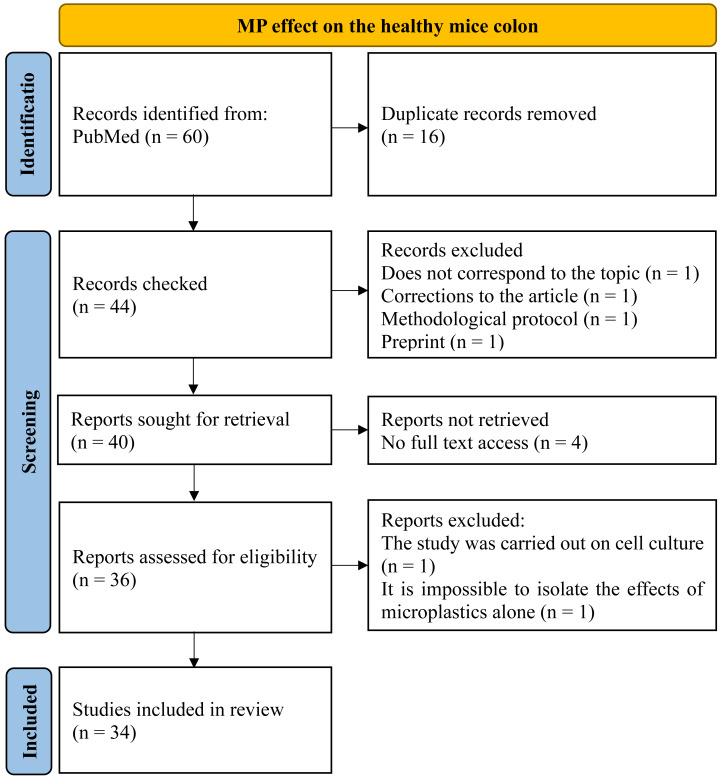
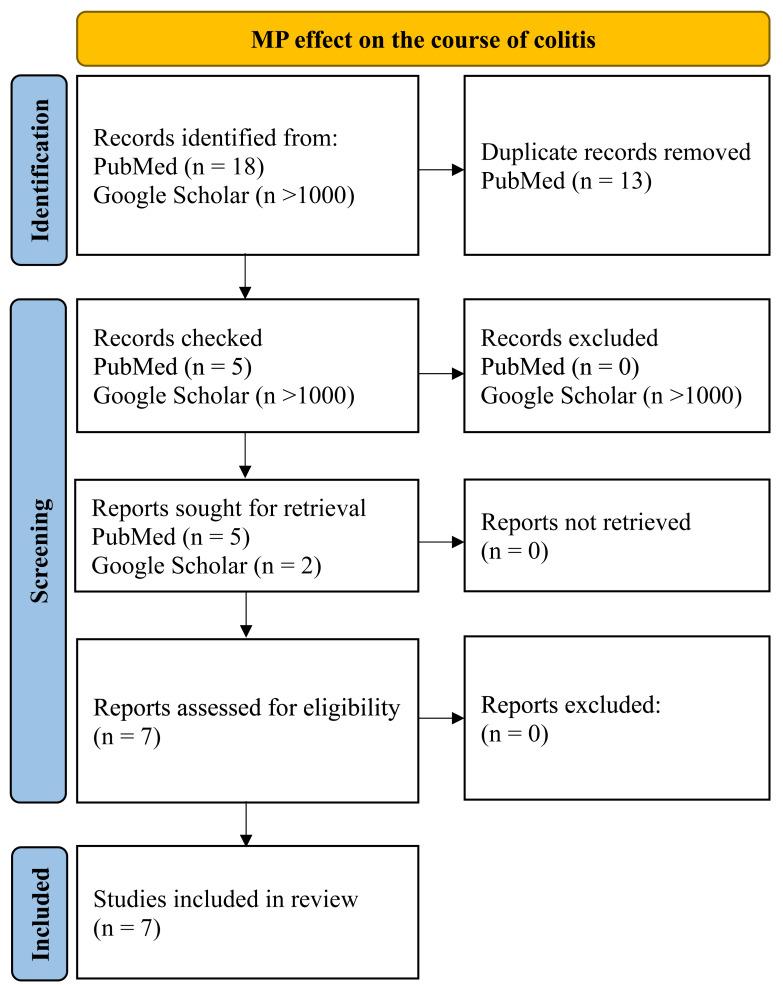
The search was conducted based on PubMed data about original experimental studies of the MP effects on the colon of healthy mice and mice with colitis.
RESULTS
In healthy mice colon, MP can cause oxidative stress, increased permeability, immune cell infiltration, production of proinflammatory factors, and decreased mucus production. MP affects proliferation, apoptosis, and differentiation of epithelial cells, expression of tight junction components and glycocalyx, membrane transport, signaling pathways, metabolome, and intestinal microflora composition. In mice with acute and chronic experimental colitis, MP consumption leads to a more pronounced pathological process course.
CONCLUSIONS
MP may be one of the factors contributing to the development of colitis in humans. However, further research is needed.
背景
考虑到微塑料(MP)污染在全球范围内的扩散,MP对人类健康的影响问题备受关注。MP主要通过水和食物进入机体,且大多在大肠中被检测到。因此,MP污染与结肠炎发病率增加之间的关联是一个重要问题。为了评估MP的毒性和致病作用,近年来开展了大量实验研究,主要以实验室小鼠为对象。
目的
我们综述的目的是总结和整理关于MP在正常条件下及结肠炎期间对小鼠结肠影响的数据,以评估MP在肠道疾病发展中的作用。本手稿可能对生态学家、实验生物学家以及处理与人为环境变化和炎症性肠病相关问题的医生具有参考价值。
调查方法
基于PubMed数据,对关于MP对健康小鼠和结肠炎小鼠结肠影响的原始实验研究进行检索。
结果
在健康小鼠的结肠中,MP可导致氧化应激、通透性增加、免疫细胞浸润、促炎因子产生以及黏液分泌减少。MP影响上皮细胞的增殖、凋亡和分化、紧密连接成分和糖萼的表达、膜转运、信号通路、代谢组以及肠道微生物群组成。在急性和慢性实验性结肠炎小鼠中,摄入MP会导致病理过程更加明显。
结论
MP可能是导致人类结肠炎发生的因素之一。然而,仍需进一步研究。

 Zotero 插件