
用于基因研究和作物改良的基因组编辑工具的进展。
Advancements in genome editing tools for genetic studies and crop improvement.
作者信息
Ahmadikhah Asadollah, Zarabizadeh Homa, Nayeri Shahnoush, Abbasi Mohammad Sadegh
机构信息
Department of Cellular and Molecular Biology, Faculty of Life Sciences and Biotechnology, Shahid Beheshti University, Tehran, Iran.
出版信息
Front Plant Sci. 2025 Feb 3;15:1370675. doi: 10.3389/fpls.2024.1370675. eCollection 2024.
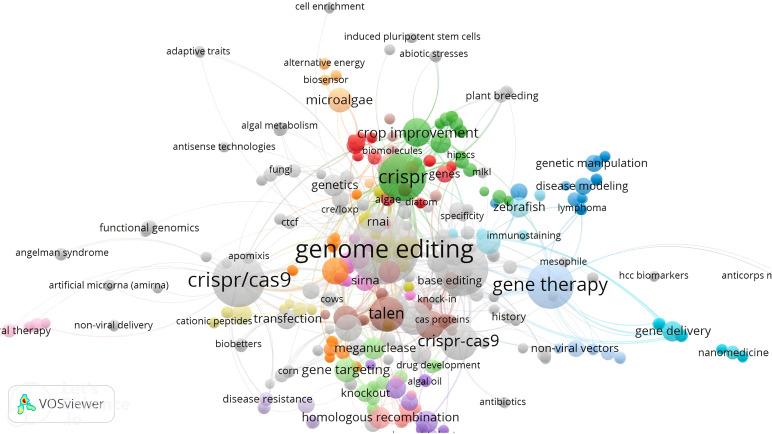
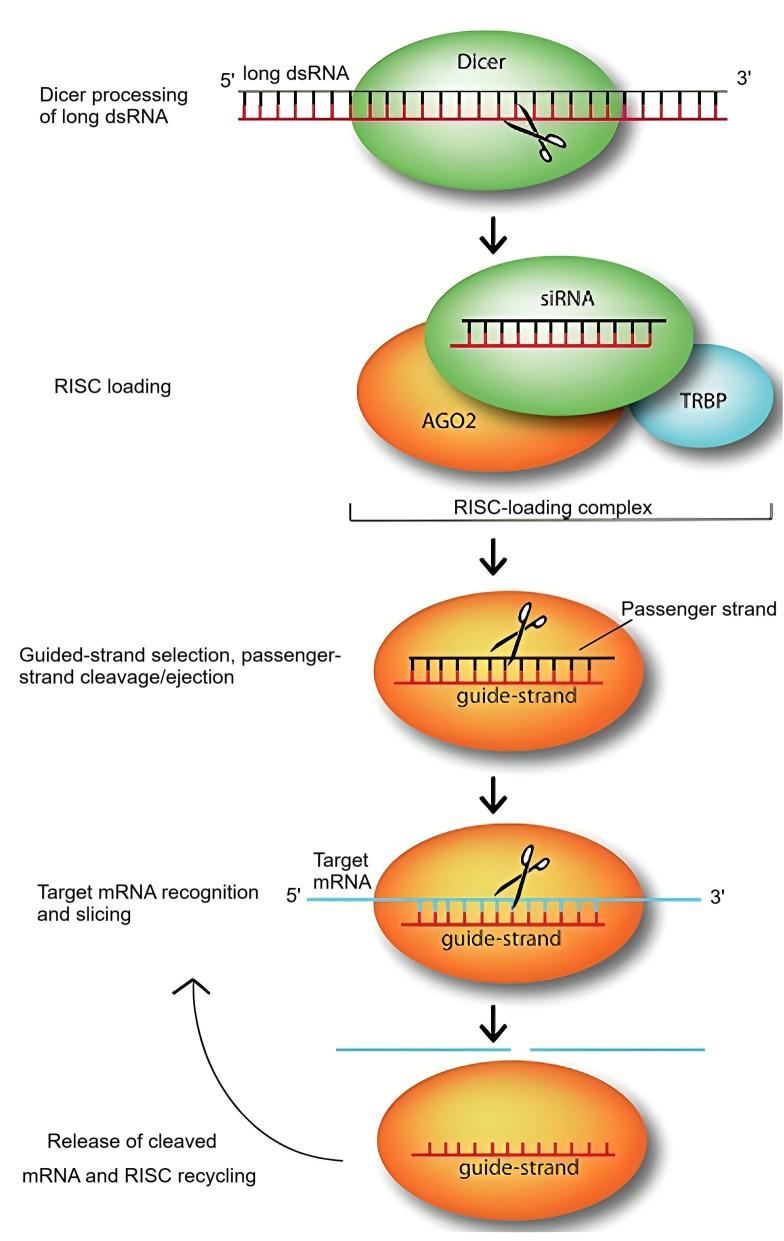
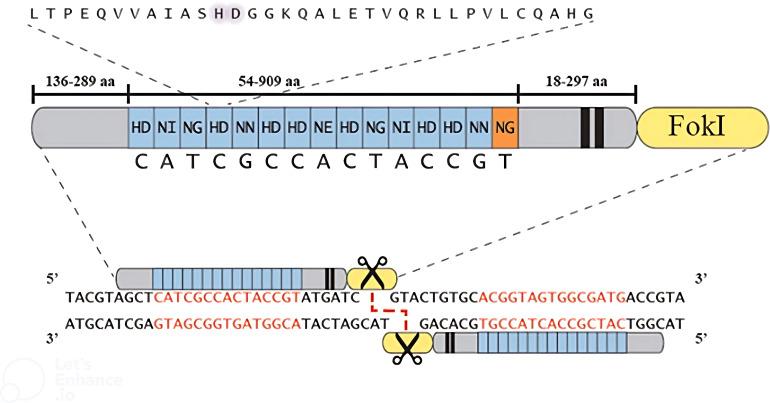
The rapid increase in global population poses a significant challenge to food security, compounded by the adverse effects of climate change, which limit crop productivity through both biotic and abiotic stressors. Despite decades of progress in plant breeding and genetic engineering, the development of new crop varieties with desirable agronomic traits remains a time-consuming process. Traditional breeding methods often fall short of addressing the urgent need for improved crop varieties. Genome editing technologies, which enable precise modifications at specific genomic loci, have emerged as powerful tools for enhancing crop traits. These technologies, including RNA interference, Meganucleases, ZFNs, TALENs, and CRISPR/Cas systems, allow for the targeted insertion, deletion, or alteration of DNA fragments, facilitating improvements in traits such as herbicide and insect resistance, nutritional quality, and stress tolerance. Among these, CRISPR/Cas9 stands out for its simplicity, efficiency, and ability to reduce off-target effects, making it a valuable tool in both agricultural biotechnology and plant functional genomics. This review examines the functional mechanisms and applications of various genome editing technologies for crop improvement, highlighting their advantages and limitations. It also explores the ethical considerations associated with genome editing in agriculture and discusses the potential of these technologies to contribute to sustainable food production in the face of growing global challenges.
全球人口的迅速增长对粮食安全构成了重大挑战,气候变化的不利影响使这一挑战更加复杂,气候变化通过生物和非生物胁迫因素限制了作物生产力。尽管在植物育种和基因工程方面取得了几十年的进展,但培育具有理想农艺性状的新作物品种仍然是一个耗时的过程。传统育种方法往往无法满足对改良作物品种的迫切需求。基因组编辑技术能够在特定基因组位点进行精确修饰,已成为增强作物性状的有力工具。这些技术包括RNA干扰、巨型核酸酶、锌指核酸酶(ZFNs)、转录激活因子样效应物核酸酶(TALENs)和CRISPR/Cas系统,允许对DNA片段进行靶向插入、缺失或改变,有助于改善除草剂和昆虫抗性、营养品质以及胁迫耐受性等性状。其中,CRISPR/Cas9因其简单性、高效性和减少脱靶效应的能力而脱颖而出,使其成为农业生物技术和植物功能基因组学中的宝贵工具。本综述研究了各种基因组编辑技术用于作物改良的功能机制和应用,强调了它们的优点和局限性。它还探讨了与农业基因组编辑相关的伦理考量,并讨论了面对日益严峻的全球挑战,这些技术对促进可持续粮食生产的潜力。




 Zotero 插件