
褪黑素能抗抑郁药用于稳定合并酒精滥用、焦虑或神经精神障碍的抑郁症缓解期:一项系统评价
The Use of Melatoninergic Antidepressants for Stabilization of Remission in Depression Comorbid with Alcohol Abuse, Anxiety or Neuropsychiatric Disorders: A Systematic Review.
作者信息
Klimanova Svetlana, Radionov Dmitriy, Shova Natalya, Kotsyubinskaya Yuliia, Yarygina Yuliia, Berezina Anna, Sivakova Nataliya, Starunskaya Diana, Yakunina Olga, Andrianova Aleksandra, Zakharov Denis, Rybakova Ksenia, Karavaeva Tatiana, Vasileva Anna, Mikhailov Vladimir, Krupitsky Evgeny
出版信息
Consort Psychiatr. 2024 Dec 13;5(4):40-62. doi: 10.17816/CP15560. eCollection 2024.
BACKGROUND
Depression is one of the most common mental disorders and is associated with a significant increase in the risk of mental and somatic comorbidities. The chronobiological theory of the pathogenesis of depression explains the relationship between the symptoms of depression and disturbance of circadian rhythm regulation. Disrupted circadian rhythms are also observed in other disorders such as alcohol use disorder, anxiety disorders, epilepsy, and Parkinson's disease. Therefore, there is a growing interest in the use of medications with a melatoninergic mechanism of action in the treatment of depression comorbid with the aforementioned disorders.
AIM
This review aims to systematically examine the evidence for the use of melatoninergic antidepressants (agomelatine and fluvoxamine) in the treatment of depression comorbid with alcohol abuse, anxiety disorders (including phobic anxiety, panic, and generalized anxiety disorders), or neuropsychiatric disorders (such as epilepsy and Parkinson's disease).
METHODS
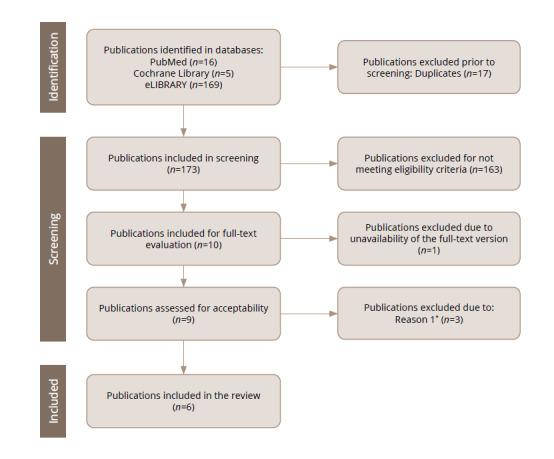
This systematic review included experimental studies, systematic reviews, and meta-analyses published in English and Russian, which examined the use of fluvoxamine and agomelatine in adult patients with recurrent depressive disorder (ICD-10) or major depressive disorder (DSM-5) comorbid with alcohol abuse, anxiety or neuropsychiatric disorders. The search was conducted in the PubMed, Cochrane Library and eLIBRARY scientific databases. The quality of the selected studies was assessed using the Cochrane Risk of Bias tool, which is used to evaluate the risk of systematic errors in clinical studies. The results were presented as a narrative synthesis and grouped by the comorbidities evaluated.
RESULTS
A total of 20 articles were reviewed (with a pooled sample size of =1,833 participants). The results suggest that melatoninergic antidepressants might help in reducing depressive and anxiety symptoms, improve sleep, decrease alcohol cravings, and alleviate the severity of motor symptoms in Parkinson's disease. Moreover, the use of pharmacogenetic testing to select the medication and dosage may enhance its therapeutic effectiveness.
CONCLUSION
The review demonstrates a significant lack of clinical data and guidelines on the use of melatoninergic medications for the treatment of depression comorbid with other disorders. In this regard, it is currently difficult to draw a definitive conclusion regarding the efficacy and safety of agomelatine and fluvoxamine in the treatment of these comorbidities. Available studies suggest an improvement in the clinical manifestations of the comorbidities. Future research directions might include the development and implementation of double-blind, randomized clinical trials to study the use of melatoninergic medications in patients with depression comorbid with other disorders.
背景
抑郁症是最常见的精神障碍之一,与精神和躯体共病风险的显著增加相关。抑郁症发病机制的生物钟生物学理论解释了抑郁症状与昼夜节律调节紊乱之间的关系。在酒精使用障碍、焦虑症、癫痫和帕金森病等其他疾病中也观察到昼夜节律紊乱。因此,人们越来越关注使用具有褪黑素能作用机制的药物来治疗与上述疾病共病的抑郁症。
目的
本综述旨在系统地研究使用褪黑素能抗抑郁药(阿戈美拉汀和氟伏沙明)治疗与酒精滥用、焦虑症(包括恐惧症性焦虑、惊恐和广泛性焦虑症)或神经精神疾病(如癫痫和帕金森病)共病的抑郁症的证据。
方法
本系统综述纳入了以英文和俄文发表的实验研究、系统综述和荟萃分析,这些研究探讨了氟伏沙明和阿戈美拉汀在患有复发性抑郁症(ICD - 10)或重度抑郁症(DSM - 5)且合并酒精滥用、焦虑或神经精神疾病的成年患者中的应用。检索在PubMed、Cochrane图书馆和eLIBRARY科学数据库中进行。使用Cochrane偏倚风险工具评估所选研究的质量,该工具用于评估临床研究中系统误差的风险。结果以叙述性综合的形式呈现,并按评估的共病情况进行分组。
结果
共审查了20篇文章(汇总样本量为1833名参与者)。结果表明,褪黑素能抗抑郁药可能有助于减轻抑郁和焦虑症状、改善睡眠、减少对酒精的渴望,并减轻帕金森病运动症状的严重程度。此外,使用药物遗传学检测来选择药物和剂量可能会提高其治疗效果。
结论
该综述表明,关于使用褪黑素能药物治疗与其他疾病共病的抑郁症,临床数据和指南严重缺乏。在这方面,目前难以就阿戈美拉汀和氟伏沙明治疗这些共病的疗效和安全性得出明确结论。现有研究表明共病的临床表现有所改善。未来的研究方向可能包括开展和实施双盲、随机临床试验,以研究褪黑素能药物在与其他疾病共病的抑郁症患者中的应用。
 Zotero 插件