
冠状动脉疾病缺血再灌注损伤的分子见解:机制与治疗意义:综述
Molecular Insights into Ischemia-Reperfusion Injury in Coronary Artery Disease: Mechanisms and Therapeutic Implications: A Comprehensive Review.
作者信息
Ghanta Sai Nikhila, Kattamuri Lakshmi P V, Odueke Adetayo, Mehta Jawahar L
机构信息
Division of Cardiology, University of Arkansas for Medical Sciences, Little Rock, AR 72205, USA.
Department of Internal Medicine, Texas Tech University Health Sciences Center, El Paso, TX 79905, USA.
出版信息
Antioxidants (Basel). 2025 Feb 13;14(2):213. doi: 10.3390/antiox14020213.
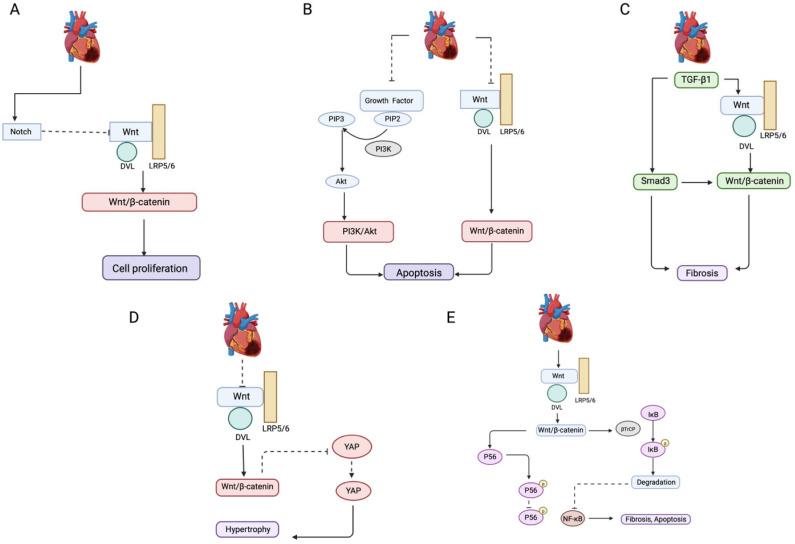
Coronary artery disease remains a leading cause of morbidity and mortality worldwide. Acute myocardial infarction results in ischemia-induced cellular dysfunction and death. While timely reperfusion limits myocardial damage, it paradoxically triggers ischemia-reperfusion injury (IRI), exacerbating tissue damage. IRI, first observed in the 1960s, is mediated by complex molecular pathways, including oxidative stress, calcium dysregulation, endothelial dysfunction, and inflammation. This review examines emerging therapeutic strategies targeting IRI, including ischemic preconditioning, postconditioning, pharmacological agents, and anti-inflammatory therapies. Preconditioning serves as an endogenous protection mechanism, while pharmacological postconditioning has become a more clinically feasible approach to target oxidative stress, inflammation, and apoptosis during reperfusion. Pharmacological agents, such as GSK-3β inhibitors, JNK inhibitors, and mesenchymal stem cell-derived exosomes, have shown promise in modulating molecular pathways, including Wnt/β-catenin and NF-κB, to reduce myocardial injury and enhance recovery. Combination therapies, integrating pharmacological agents with mechanical postconditioning, provide a synergistic approach to further protect tissue and mitigate damage. However, translating preclinical findings to clinical practice remains challenging due to discrepancies between animal models and human conditions, particularly with comorbidities such as diabetes and hypertension. Continued research is essential to refine these therapies, optimize clinical application, and address translational challenges to improve outcomes in IRI.
冠状动脉疾病仍然是全球发病和死亡的主要原因。急性心肌梗死会导致缺血诱导的细胞功能障碍和死亡。虽然及时再灌注可限制心肌损伤,但矛盾的是,它会引发缺血再灌注损伤(IRI),加剧组织损伤。IRI最早于20世纪60年代被观察到,由包括氧化应激、钙调节异常、内皮功能障碍和炎症在内的复杂分子途径介导。本综述探讨了针对IRI的新兴治疗策略,包括缺血预处理、后处理、药物治疗和抗炎治疗。预处理作为一种内源性保护机制,而药物后处理已成为一种在再灌注期间针对氧化应激、炎症和细胞凋亡的更具临床可行性的方法。诸如糖原合成酶激酶-3β抑制剂、c-Jun氨基末端激酶抑制剂和间充质干细胞衍生的外泌体等药物,在调节包括Wnt/β-连环蛋白和核因子κB在内的分子途径以减少心肌损伤和促进恢复方面已显示出前景。将药物治疗与机械后处理相结合的联合疗法,提供了一种协同方法来进一步保护组织并减轻损伤。然而,由于动物模型与人类情况之间存在差异,特别是对于糖尿病和高血压等合并症,将临床前研究结果转化为临床实践仍然具有挑战性。持续的研究对于完善这些疗法、优化临床应用以及应对转化挑战以改善IRI的治疗结果至关重要。
 Zotero 插件