
白藜芦醇增强的人神经干细胞衍生外泌体通过激活AMPK和Nrf2通路以及抑制SH-SY5Y细胞中的NLRP3炎性小体减轻MPP⁺诱导的神经毒性。
Resveratrol-Enhanced Human Neural Stem Cell-Derived Exosomes Mitigate MPP+-Induced Neurotoxicity Through Activation of AMPK and Nrf2 Pathways and Inhibition of the NLRP3 Inflammasome in SH-SY5Y Cells.
作者信息
Chiang Ming-Chang, Yang Yu-Ping, Nicol Christopher J B, Chiang Tairui, Yen Chiahui
机构信息
Department of Life Science, College of Science and Engineering, Fu Jen Catholic University, New Taipei City 242, Taiwan.
Sylvester Comprehensive Cancer Center, Miller School of Medicine, University of Miami, Miami, FL 33136, USA.
出版信息
Life (Basel). 2025 Feb 13;15(2):294. doi: 10.3390/life15020294.
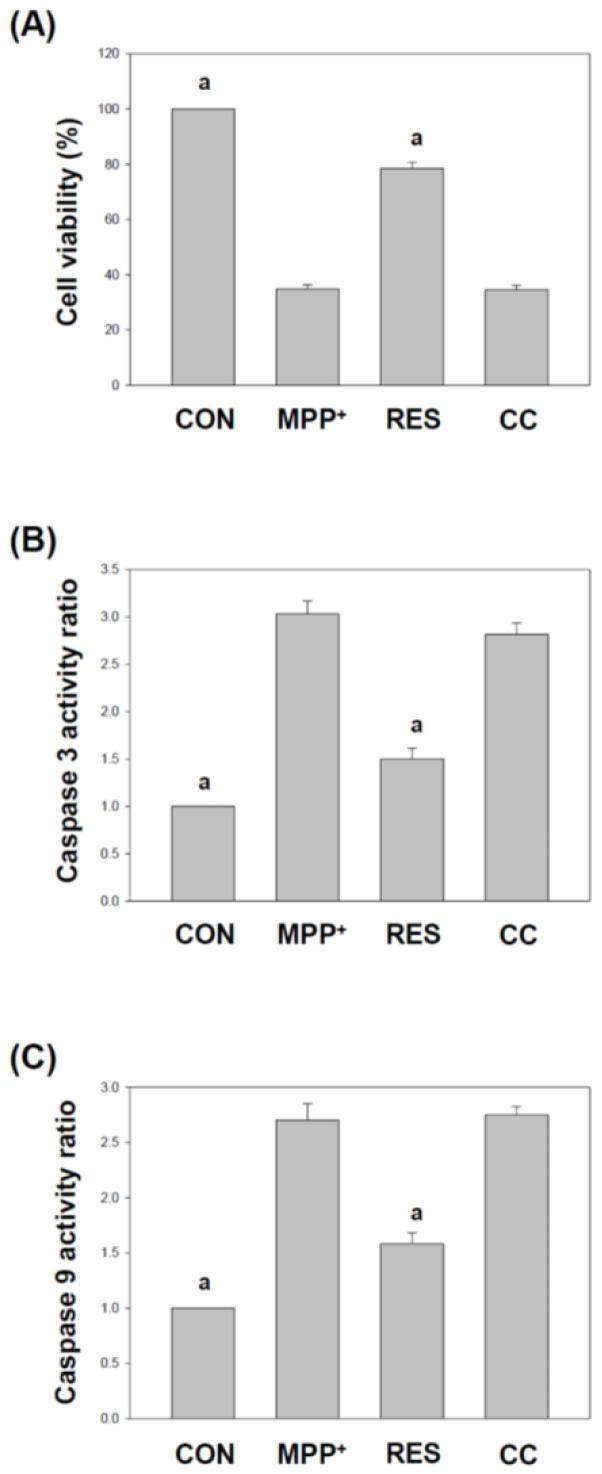
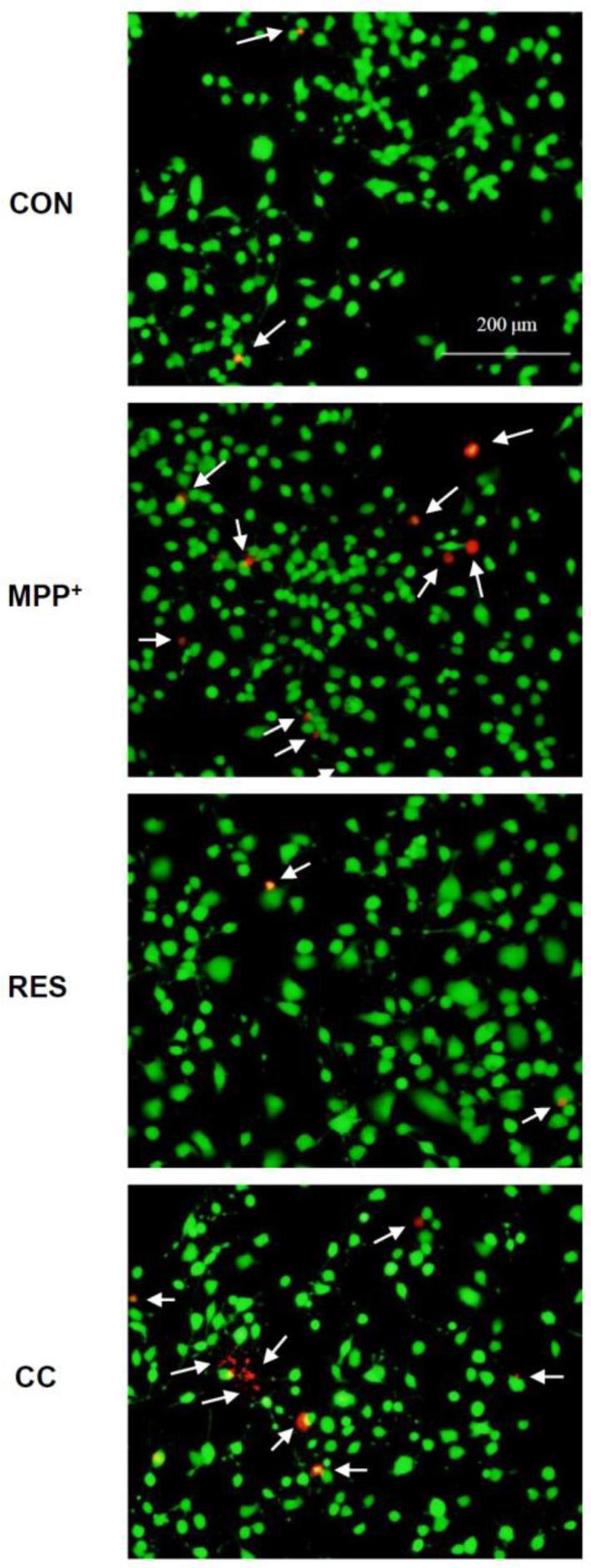
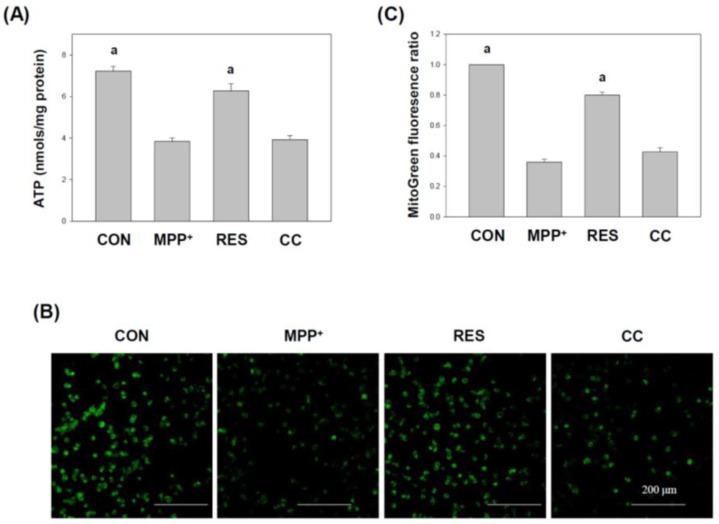
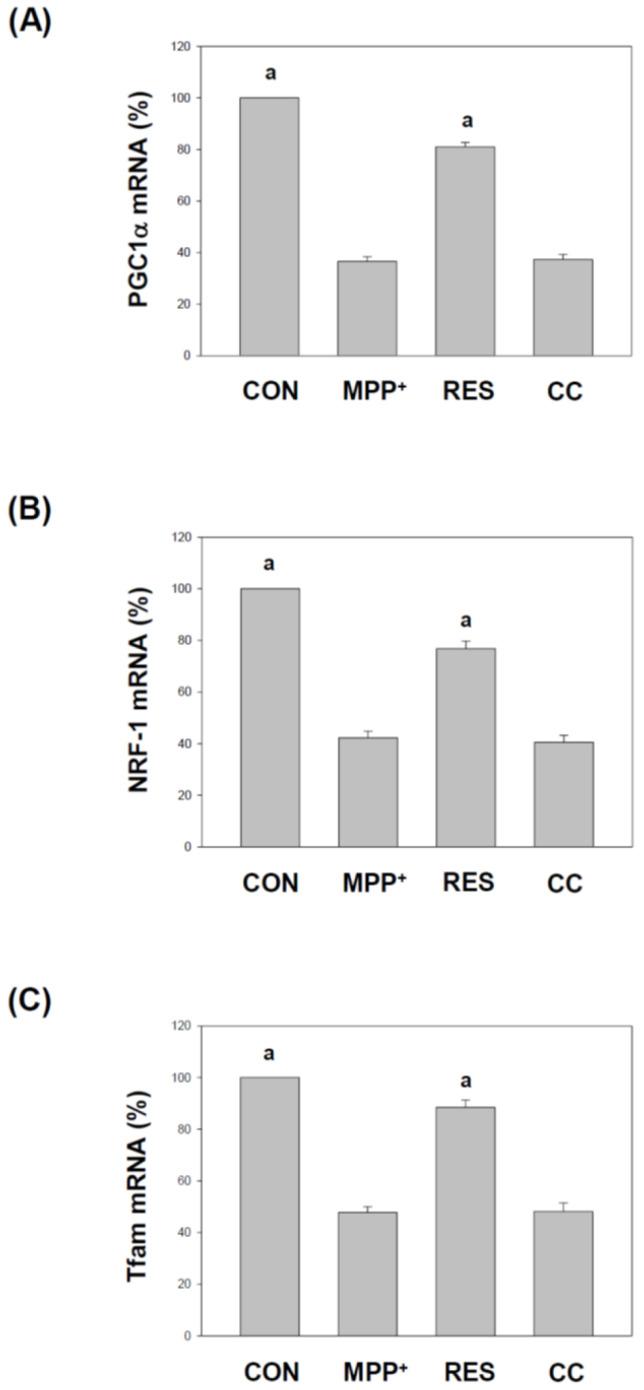
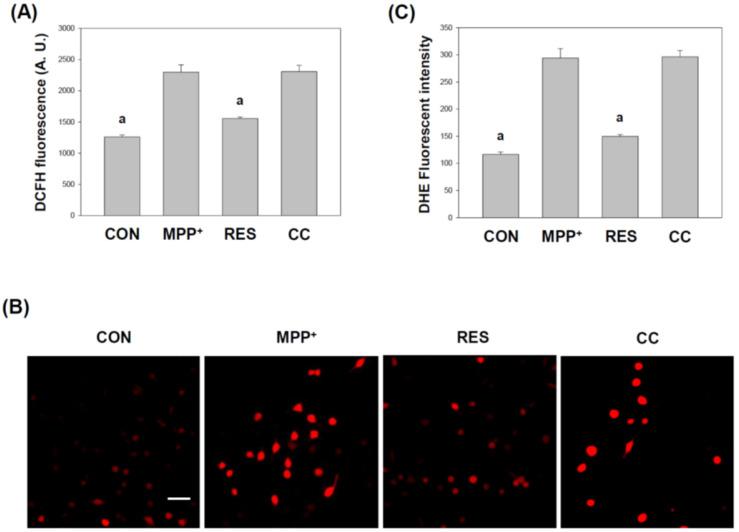
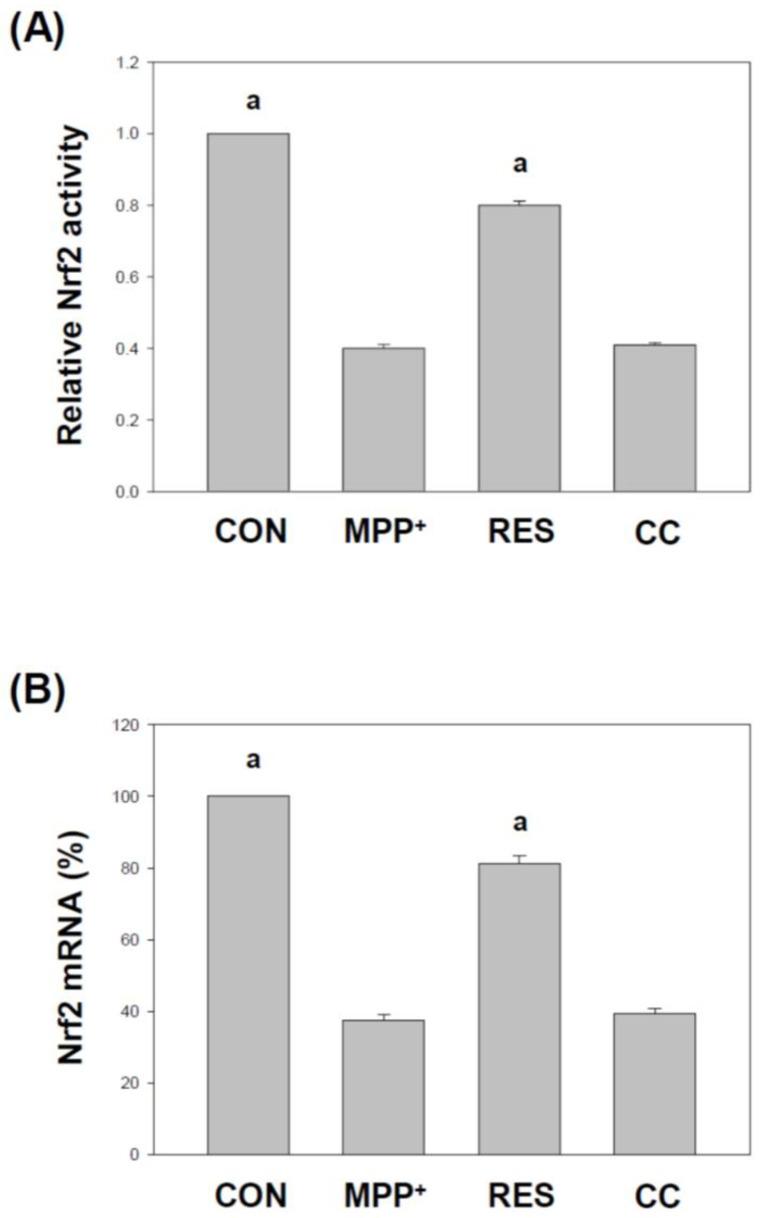
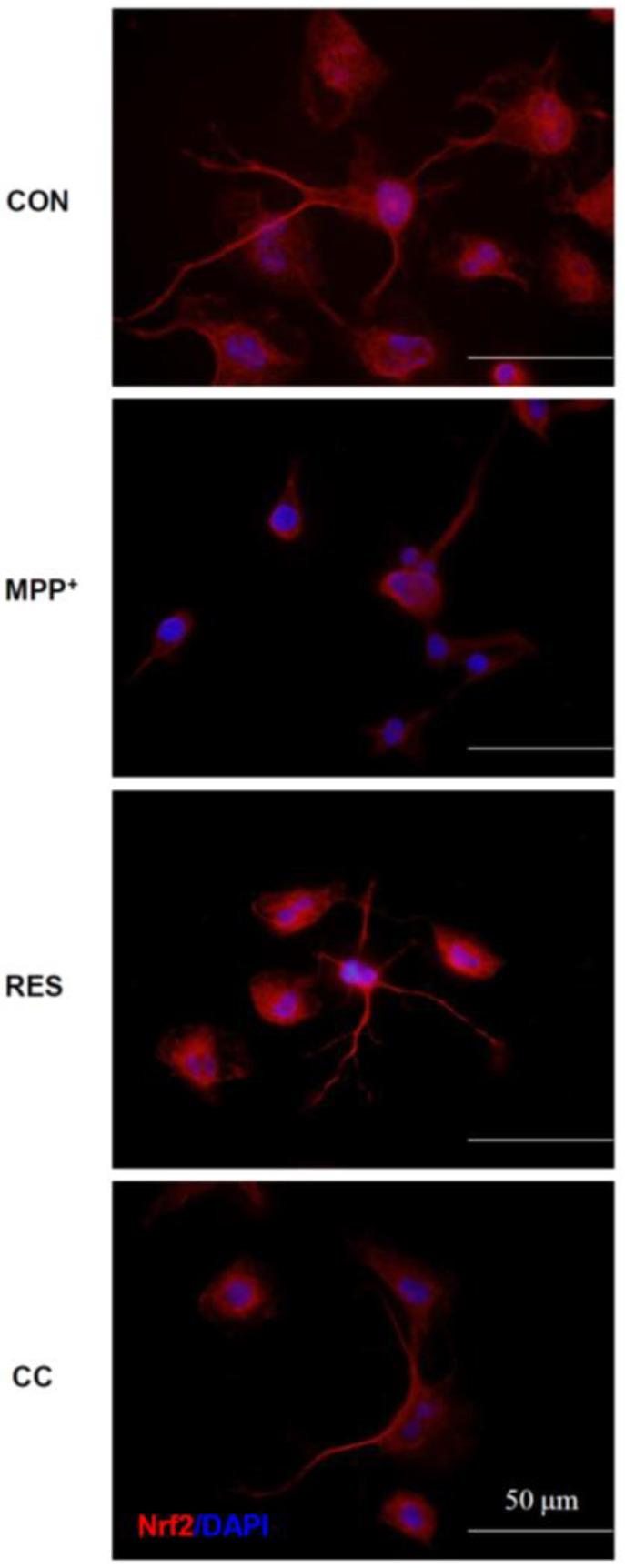
Parkinson's disease (PD) is a progressive neurodegenerative disorder primarily characterized by the loss of dopaminergic neurons in the substantia nigra. Mitochondrial dysfunction, oxidative stress, and neuroinflammation are recognized as critical pathological mechanisms driving neurodegeneration in PD. Exosome (Exo)-based therapies, particularly those derived from human neural stem cells (hNSCs), offer promising neuroprotective effects due to their ability to transfer bioactive molecules that modulate cellular processes. Resveratrol (RES), a polyphenolic compound with potent antioxidant and anti-inflammatory properties, has been shown to enhance the therapeutic potential of stem cell (SC)-derived Exos. This study investigated the neuroprotective effects of RES-treated hNSCs-derived Exos (RES-hNSCs-Exos) on SH-SY5Y cells exposed to 1-methyl-4-phenylpyridinium (MPP), a neurotoxin commonly used to model Parkinsonian neurotoxicity. Treating SH-SY5Y cells with MPP led to significant reductions in cell viability, mitochondrial dysfunction, increased oxidative stress, and the activation of inflammatory pathways. Treatment with RES-hNSCs-Exos rescued SH-SY5Y cells from MPP-induced toxicity by improving cell viability, enhancing ATP production, increasing mitochondrial biogenesis, and reducing reactive oxygen species (ROS) generation. The findings also demonstrated the increased expression of essential genes involved in mitochondrial biogenesis, such as PGC1α, NRF1, and Tfam, indicating improved mitochondrial function in the presence of RES-hNSCs-Exos. Further analysis revealed that these protective effects were mediated by activating the AMP-activated protein kinase (AMPK) and Nrf2 signaling pathways, which promoted mitochondrial health and reduced oxidative stress. Moreover, RES-hNSCs-Exos treatment suppressed neuroinflammation by downregulating NLRP3 inflammasome activation and reducing the secretion of pro-inflammatory cytokines IL-1β and IL-18. In conclusion, the results suggest that RES-hNSCs-Exos exhibit potent neuroprotective effects against MPP-induced neurotoxicity by enhancing mitochondrial function, reducing oxidative stress, and inhibiting neuroinflammation. These findings highlight the potential of hNSCs-Exos as a novel therapeutic strategy for neurodegenerative diseases like PD, with RES as a valuable enhancer of Exos efficacy.
帕金森病(PD)是一种进行性神经退行性疾病,主要特征是黑质中多巴胺能神经元的丧失。线粒体功能障碍、氧化应激和神经炎症被认为是驱动PD神经退行性变的关键病理机制。基于外泌体(Exo)的疗法,特别是那些源自人神经干细胞(hNSC)的疗法,由于其能够传递调节细胞过程的生物活性分子,具有很有前景的神经保护作用。白藜芦醇(RES)是一种具有强大抗氧化和抗炎特性的多酚化合物,已被证明能增强干细胞(SC)衍生的外泌体的治疗潜力。本研究调查了RES处理的hNSC衍生的外泌体(RES-hNSCs-Exos)对暴露于1-甲基-4-苯基吡啶鎓(MPP)的SH-SY5Y细胞的神经保护作用,MPP是一种常用于模拟帕金森神经毒性的神经毒素。用MPP处理SH-SY5Y细胞导致细胞活力显著降低、线粒体功能障碍、氧化应激增加以及炎症途径激活。用RES-hNSCs-Exos处理可通过提高细胞活力、增强ATP生成、增加线粒体生物合成以及减少活性氧(ROS)生成,使SH-SY5Y细胞免受MPP诱导的毒性。研究结果还表明,参与线粒体生物合成的关键基因如PGC1α、NRF1和Tfam的表达增加,表明在存在RES-hNSCs-Exos的情况下线粒体功能得到改善。进一步分析表明,这些保护作用是通过激活AMP激活的蛋白激酶(AMPK)和Nrf2信号通路介导的,这促进了线粒体健康并减少了氧化应激。此外,RES-hNSCs-Exos处理通过下调NLRP3炎性小体激活并减少促炎细胞因子IL-1β和IL-18的分泌来抑制神经炎症。总之,结果表明RES-hNSCs-Exos通过增强线粒体功能、减少氧化应激和抑制神经炎症,对MPP诱导的神经毒性具有强大的神经保护作用。这些发现突出了hNSC衍生的外泌体作为PD等神经退行性疾病的新型治疗策略的潜力,RES是外泌体功效的有价值增强剂。




 Zotero 插件