
基于金属有机框架的肿瘤免疫治疗药物递送系统
Drug Delivery Systems Based on Metal-Organic Frameworks for Tumor Immunotherapy.
作者信息
Yang Ning, He Zongyan, Lang Tianqun
机构信息
Lin Gang Laboratory, Shanghai 200031, China.
出版信息
Pharmaceutics. 2025 Feb 10;17(2):225. doi: 10.3390/pharmaceutics17020225.
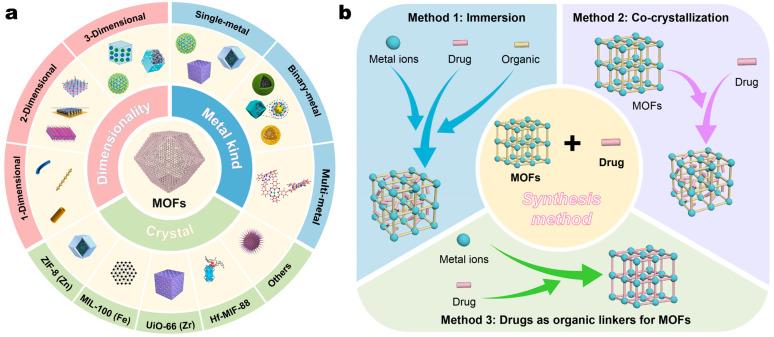
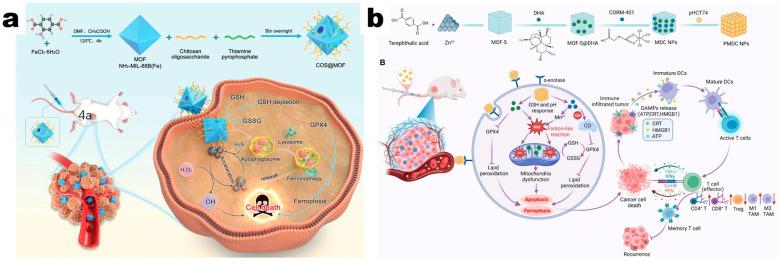
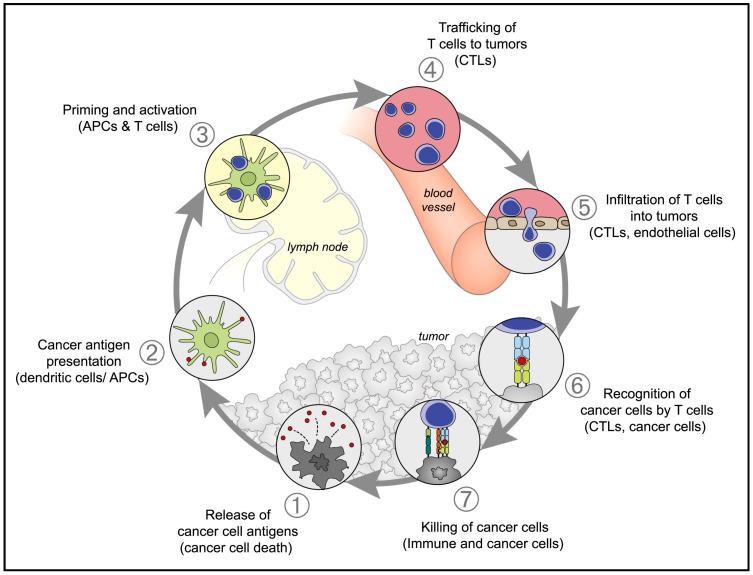
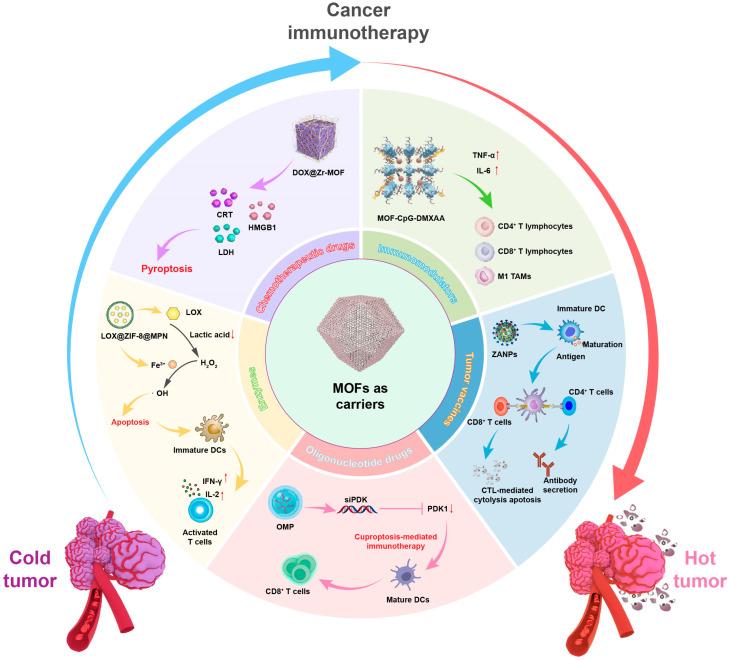
Metal-organic frameworks (MOFs) are a class of inorganic-organic hybrid nanoparticles formed by the coordination of metal ions/clusters and organic ligands. Due to their high porosities, large surface areas, adjustable structures, and responsiveness to light/sound, etc., MOFs have shown great clinical potential in the field of tumor therapy. Tumor immunotherapy exerts antitumor effects through reshaping tumor immune microenvironment, showing significant preclinical and clinical advantages. Based on the mechanisms of immunity activation, the tumor immunotherapy agents can be divided into chemotherapeutic agents, immunomodulators, enzymes, tumor vaccines and oligonucleotide drugs, etc. Herein, we review the MOFs-based drug delivery systems for tumor immunotherapy. The classification of MOFs, followed by their antitumor immunity activation mechanisms, are first introduced. Drug delivery systems based on MOFs with different immunotherapy agents are also summarized, especially the synergetic immunity activation mechanisms triggered by MOFs and their loadings. Furthermore, the merits and drawbacks of MOFs and the potential strategies for MOFs to promote their clinical applications are discussed.
金属有机框架材料(MOFs)是一类由金属离子/簇与有机配体配位形成的无机-有机杂化纳米粒子。由于其高孔隙率、大表面积、可调节结构以及对光/声等的响应性,MOFs在肿瘤治疗领域展现出了巨大的临床潜力。肿瘤免疫疗法通过重塑肿瘤免疫微环境发挥抗肿瘤作用,显示出显著的临床前和临床优势。基于免疫激活机制,肿瘤免疫治疗药物可分为化疗药物、免疫调节剂、酶、肿瘤疫苗和寡核苷酸药物等。在此,我们综述了用于肿瘤免疫治疗的基于MOFs的药物递送系统。首先介绍了MOFs的分类及其抗肿瘤免疫激活机制。还总结了基于MOFs与不同免疫治疗药物的药物递送系统,特别是MOFs及其负载物引发的协同免疫激活机制。此外,讨论了MOFs的优缺点以及促进其临床应用的潜在策略。


 Zotero 插件