
阿司匹林在癌症治疗中的应用:药理学与纳米技术进展
Aspirin in Cancer Therapy: Pharmacology and Nanotechnology Advances.
作者信息
Laila Umm E, Zhao Zi Lon, Liu Huai, Xu Zhi-Xiang
机构信息
School of Life Sciences, Henan University, Kaifeng, Henan Province, 475001, People's Republic of China.
出版信息
Int J Nanomedicine. 2025 Feb 23;20:2327-2365. doi: 10.2147/IJN.S505636. eCollection 2025.
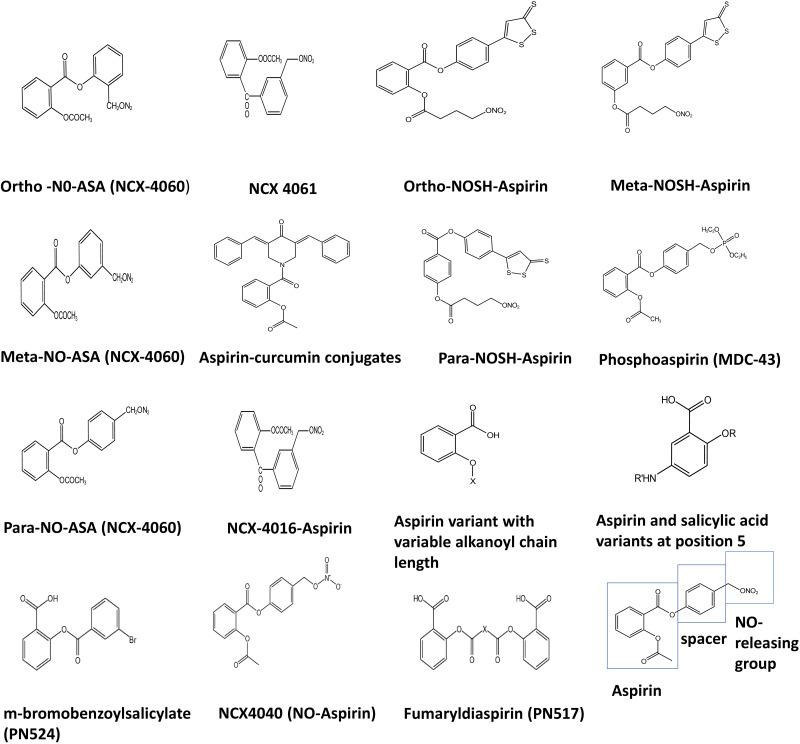
Aspirin, a non-steroidal anti-inflammatory drug (NSAID), has garnered significant attention for its anti-cancer potential. This review explores the pharmacological properties, chemical dynamics, and evolving therapeutic applications of aspirin, with an emphasis on its integration into advanced cancer therapies. Aspirin demonstrates broad-spectrum efficacy across diverse cancer types by modulating signaling pathways such as COX-dependent and COX-independent mechanisms, including Wnt, NF-κB, β-catenin/TCF, and IL-6/STAT3. Recent advancements highlight the role of nanotechnology in enhancing aspirin's targeted delivery, therapeutic effectiveness, and patient outcomes. Nanoparticle-based formulations, including liposomes, solid lipid nanoparticles, and mesoporous silica nanoparticles, offer improved solubility, stability, and bioavailability, enabling controlled drug release and tumor-specific targeting. These innovations reduce systemic toxicity and enhance therapeutic effects, paving the way for aspirin's integration into personalized cancer treatments. Ongoing clinical studies reinforce its safety profile, underscoring aspirin's role in cancer pharmacotherapy. This review calls for continued research into aspirin's repurposing in combination therapies and novel delivery systems to maximize its therapeutic potential.
阿司匹林是一种非甾体抗炎药(NSAID),因其抗癌潜力而备受关注。本综述探讨了阿司匹林的药理特性、化学动力学及不断发展的治疗应用,重点在于其融入先进癌症治疗方法的情况。阿司匹林通过调节信号通路,如COX依赖性和COX非依赖性机制,包括Wnt、NF-κB、β-连环蛋白/TCF和IL-6/STAT3,在多种癌症类型中展现出广谱疗效。近期进展凸显了纳米技术在增强阿司匹林靶向递送、治疗效果及患者预后方面的作用。基于纳米颗粒的制剂,包括脂质体、固体脂质纳米粒和介孔二氧化硅纳米粒,具有更好的溶解性、稳定性和生物利用度,能够实现药物的控释和肿瘤特异性靶向。这些创新降低了全身毒性并增强了治疗效果,为阿司匹林融入个性化癌症治疗铺平了道路。正在进行的临床研究强化了其安全性,突显了阿司匹林在癌症药物治疗中的作用。本综述呼吁继续研究阿司匹林在联合治疗和新型递送系统中的重新利用,以最大限度地发挥其治疗潜力。




 Zotero 插件