
基于端粒维持相关基因开发肝细胞癌的预后及药物治疗疗效预测模型。
Develop a prognostic and drug therapy efficacy prediction model for hepatocellular carcinoma based on telomere maintenance-associated genes.
作者信息
Zheng Jian-Hao, Shi Ding, Chen Yun-Jie, Liu Jian-Ping, Zhou Zheng
机构信息
Department of Gastroenterology, Ningbo No.2 Hospital, Ningbo, China.
Department of General Surgery, Ningbo No.2 Hospital, Ningbo, China.
出版信息
Front Oncol. 2025 Feb 14;15:1544173. doi: 10.3389/fonc.2025.1544173. eCollection 2025.
BACKGROUND
Hepatocellular carcinoma (HCC) poses a substantial global health challenge because of its grim prognosis and limited therapeutic options. Telomere maintenance mechanisms (TMM) significantly influence cancer progression, yet their prognostic value in HCC remains largely unexamined. This research aims to establish a telomere maintenance-associated genes(TMGs)-based prognostic model using transcriptomic and clinical data to evaluate its effectiveness in predicting patient outcomes in HCC.
METHODS
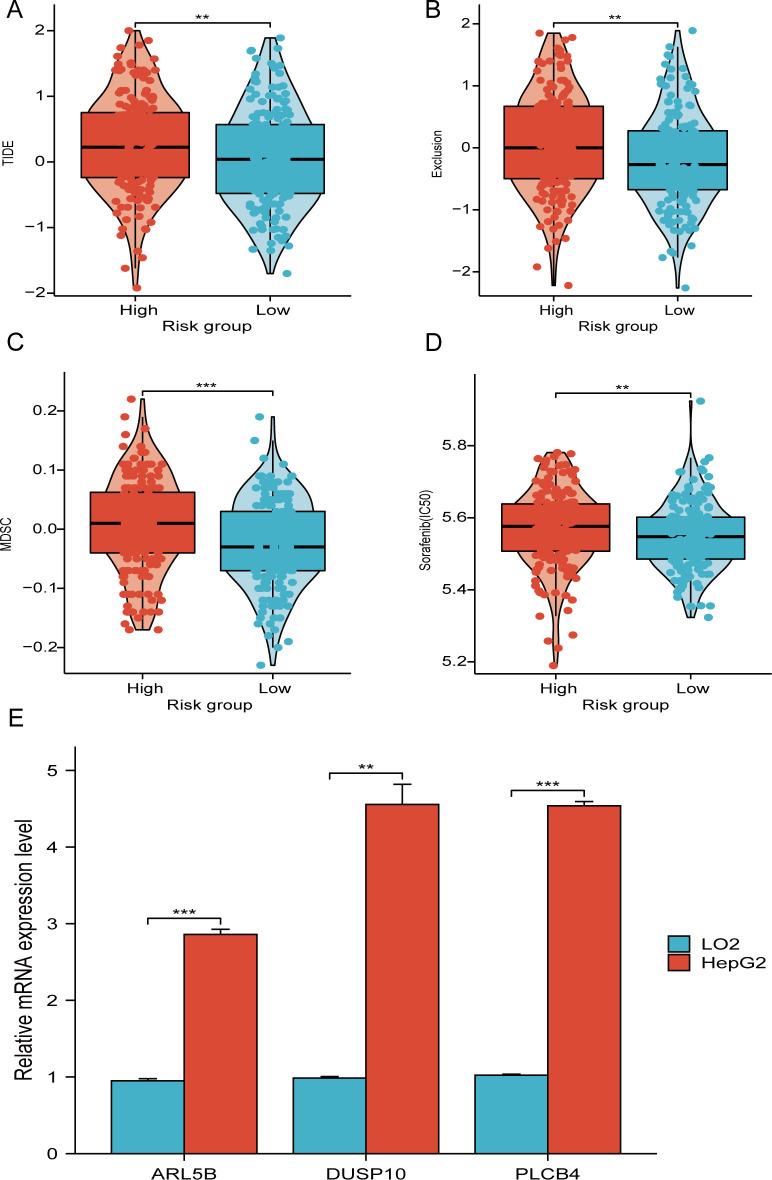
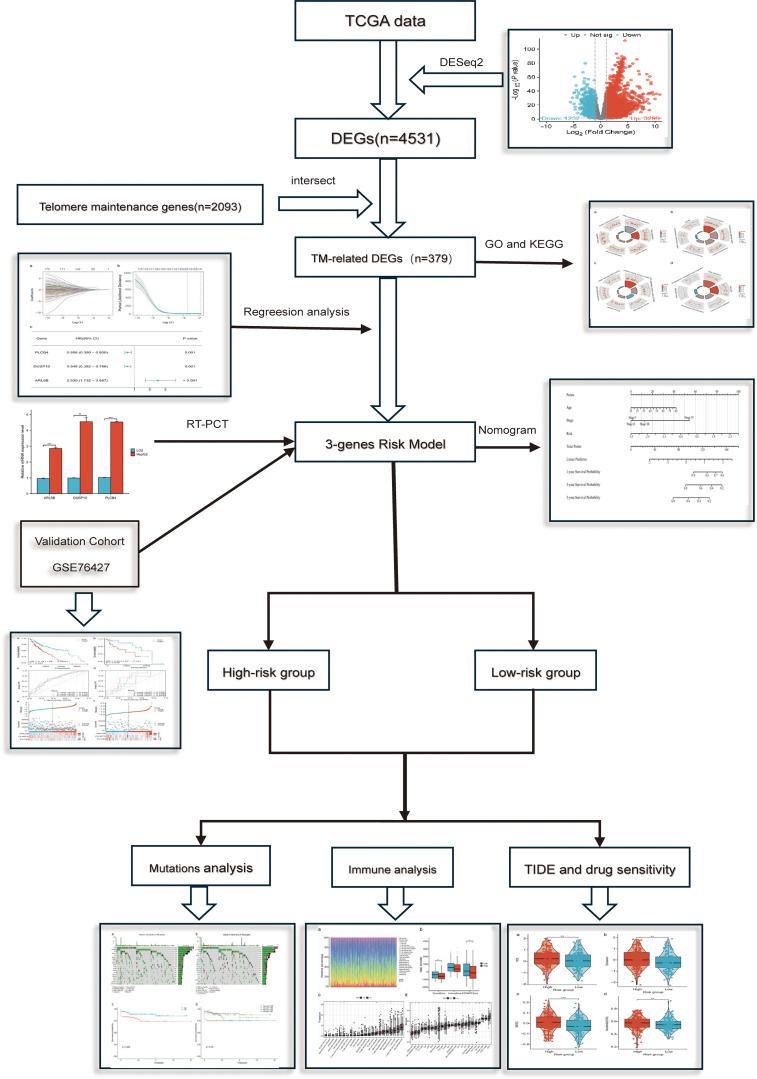
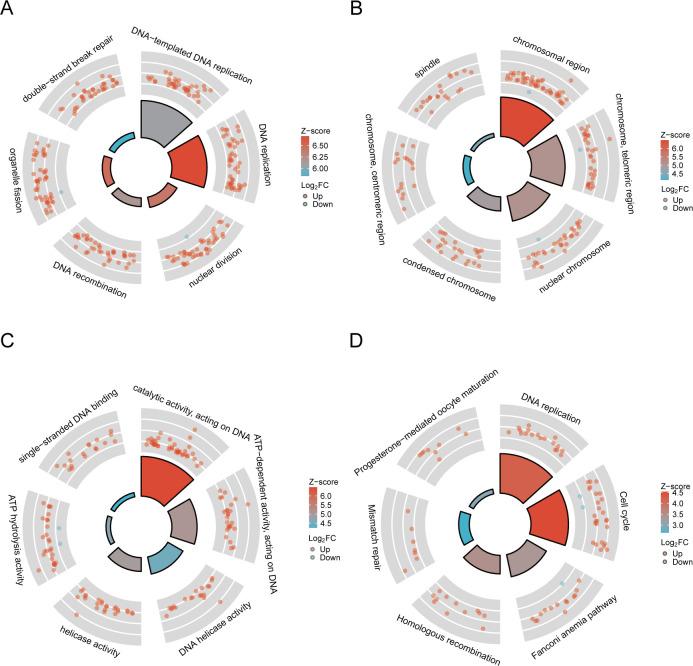
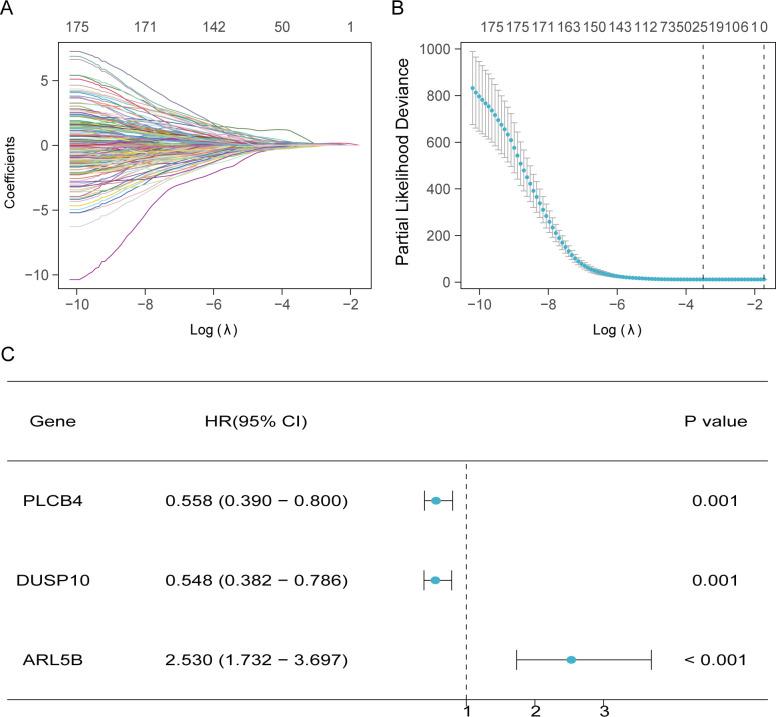
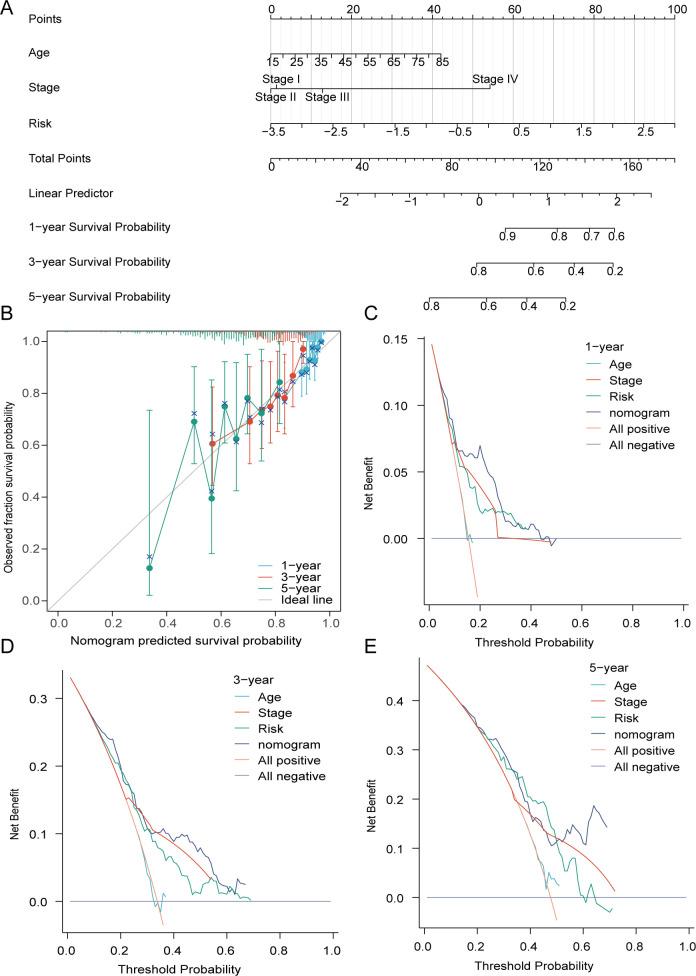
The identified differentially expressed genes (DEGs) were derived from the analysis of transcriptomic and clinical information sourced from the database of the Cancer Genome Atlas (TCGA) and were cross-referenced with TMGs. Candidate risk factors were initially assessed using univariate Cox regression, subsequently followed by LASSO, and then refined through multivariate Cox regression to establish a risk prediction model. This model's predictive accuracy was validated through Kaplan-Meier(K-M) survival analysis, with external validation in the Gene Expression Omnibus (GEO) dataset. Additionally, a nomogram incorporating age and tumor stage was developed. Tumor mutation burden (TMB), immune profile, and drug sensitivity in HCC were also analyzed. Furthermore, we employed RT-PCR to confirm the expression levels of the genes related to TMGs in HepG2 cell lines.
RESULTS
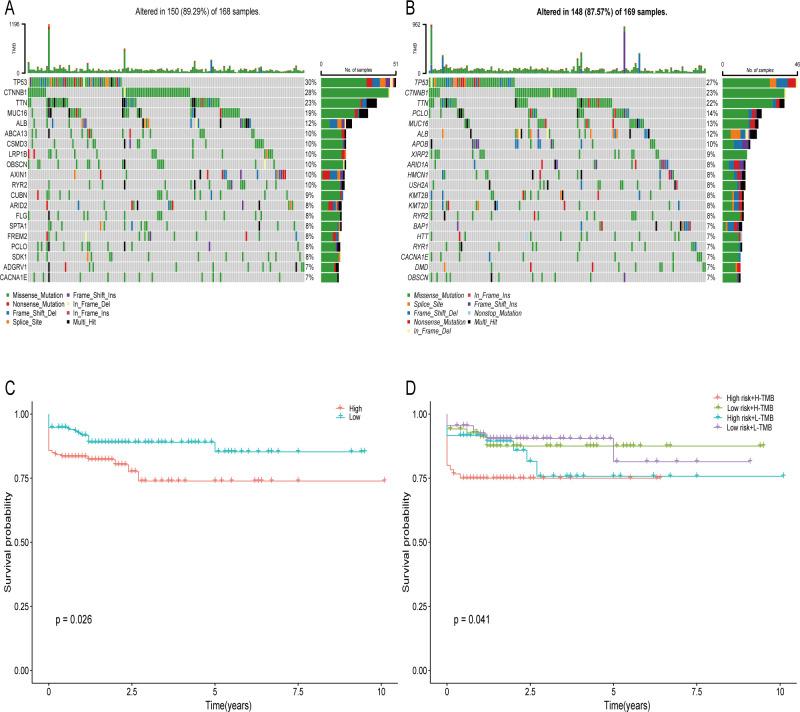
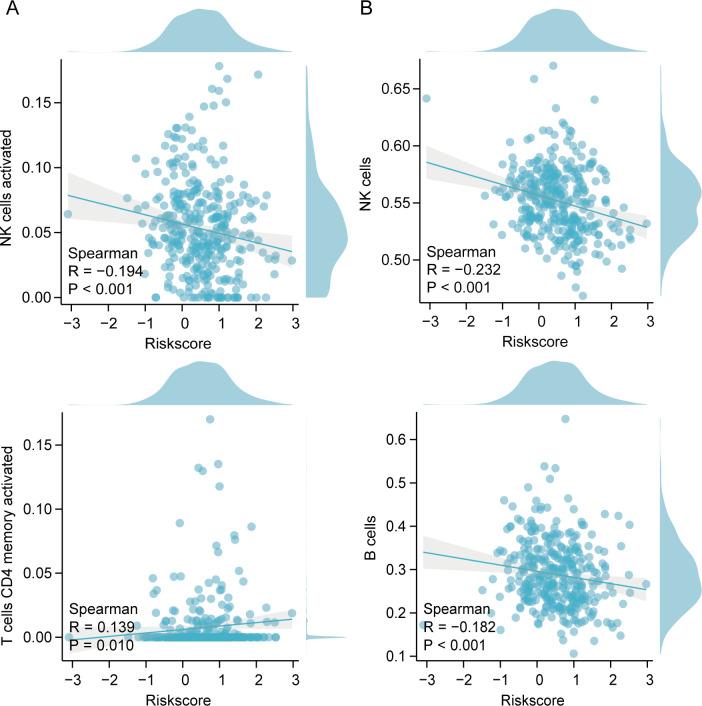
A prognostic model comprising 3 core genes was constructed, with high-risk individuals showing significantly lower overall survival (OS). The association between elevated TMB and diminished survival in high-risk patients was uncovered through TMB analysis. Immune profiling indicated notable disparities in immune infiltration among these groups, with high-risk patients displaying elevated Tumor Immune Dysfunction and Exclusion (TIDE) scores, suggesting potential immune evasion.
CONCLUSION
In short, our prognosis model based on TMGs effectively categorized HCC patients using risk scores, enabling dependable prognostic forecasts and identification of potential therapeutic targets for personalized treatment in HCC management. Future studies should explore integrating this model into clinical practice to improve patient outcomes.
背景
肝细胞癌(HCC)因其严峻的预后和有限的治疗选择,对全球健康构成了重大挑战。端粒维持机制(TMM)显著影响癌症进展,但其在HCC中的预后价值在很大程度上仍未得到研究。本研究旨在利用转录组学和临床数据建立一个基于端粒维持相关基因(TMG)的预后模型,以评估其在预测HCC患者预后方面的有效性。
方法
通过对来自癌症基因组图谱(TCGA)数据库的转录组学和临床信息进行分析,确定差异表达基因(DEG),并与TMG进行交叉对照。候选风险因素首先使用单变量Cox回归进行评估,随后进行LASSO分析,然后通过多变量Cox回归进行优化,以建立风险预测模型。通过Kaplan-Meier(K-M)生存分析验证该模型的预测准确性,并在基因表达综合数据库(GEO)数据集中进行外部验证。此外,还开发了一个纳入年龄和肿瘤分期的列线图。对HCC中的肿瘤突变负担(TMB)、免疫特征和药物敏感性也进行了分析。此外,我们采用逆转录聚合酶链反应(RT-PCR)来确认HepG2细胞系中与TMG相关基因的表达水平。
结果
构建了一个包含3个核心基因的预后模型,高危个体的总生存期(OS)显著较低。通过TMB分析发现,高危患者中TMB升高与生存期缩短之间存在关联。免疫特征分析表明,这些组之间在免疫浸润方面存在显著差异,高危患者的肿瘤免疫功能障碍和排除(TIDE)评分升高,提示可能存在免疫逃逸。
结论
简而言之,我们基于TMG的预后模型利用风险评分有效地对HCC患者进行了分类,能够进行可靠的预后预测,并为HCC管理中的个性化治疗识别潜在的治疗靶点。未来的研究应探索将该模型整合到临床实践中,以改善患者的预后。



 Zotero 插件