
心力衰竭的分子机制及其治疗潜力。
Molecular Mechanisms Underlying Heart Failure and Their Therapeutic Potential.
作者信息
Fonseka Oveena, Gare Sanskruti Ravindra, Chen Xinyi, Zhang Jiayan, Alatawi Nasser Hawimel, Ross Claire, Liu Wei
机构信息
Faculty of Biology, Medicine and Health, The University of Manchester, Manchester M13 9PT, UK.
出版信息
Cells. 2025 Feb 20;14(5):324. doi: 10.3390/cells14050324.
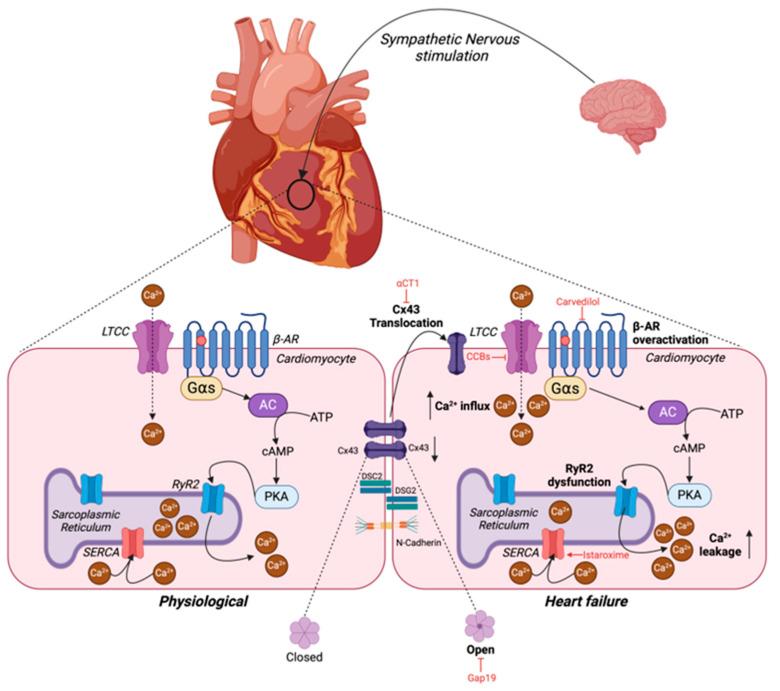
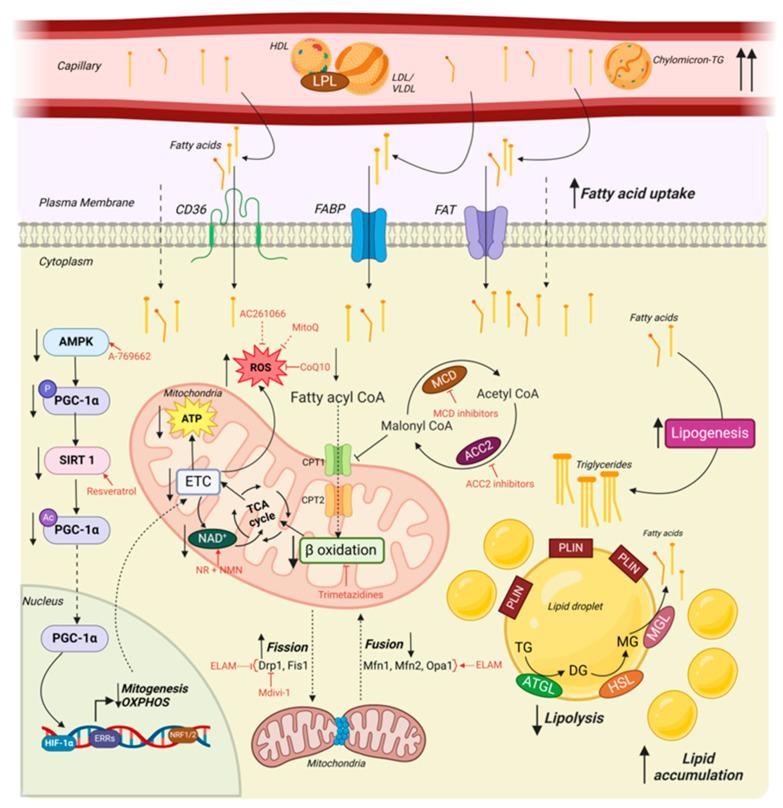
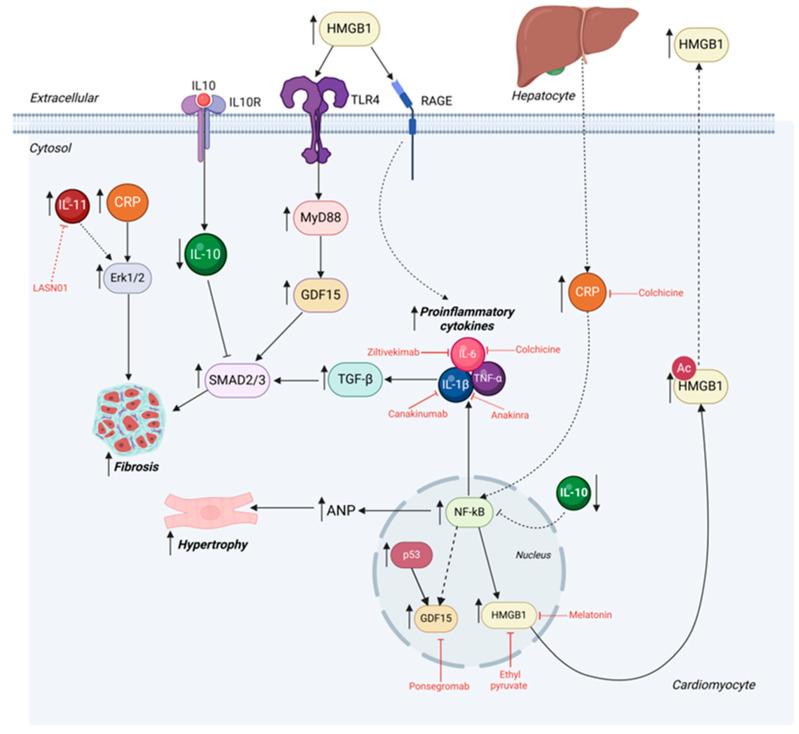
Heart failure (HF) is a prominent fatal cardiovascular disorder afflicting 3.4% of the adult population despite the advancement of treatment options. Therefore, a better understanding of the pathogenesis of HF is essential for exploring novel therapeutic strategies. Hypertrophy and fibrosis are significant characteristics of pathological cardiac remodeling, contributing to HF. The mechanisms involved in the development of cardiac remodeling and consequent HF are multifactorial, and in this review, the key underlying mechanisms are discussed. These have been divided into the following categories thusly: (i) mitochondrial dysfunction, including defective dynamics, energy production, and oxidative stress; (ii) cardiac lipotoxicity; (iii) maladaptive endoplasmic reticulum (ER) stress; (iv) impaired autophagy; (v) cardiac inflammatory responses; (vi) programmed cell death, including apoptosis, pyroptosis, and ferroptosis; (vii) endothelial dysfunction; and (viii) defective cardiac contractility. Preclinical data suggest that there is merit in targeting the identified pathways; however, their clinical implications and outcomes regarding treating HF need further investigation in the future. Herein, we introduce the molecular mechanisms pivotal in the onset and progression of HF, as well as compounds targeting the related mechanisms and their therapeutic potential in preventing or rescuing HF. This, therefore, offers an avenue for the design and discovery of novel therapies for the treatment of HF.
尽管治疗方案有所进步,但心力衰竭(HF)仍是一种严重的致命性心血管疾病,影响着3.4%的成年人口。因此,更好地了解HF的发病机制对于探索新的治疗策略至关重要。心肌肥大和纤维化是病理性心脏重塑的显著特征,是导致HF的原因。心脏重塑及随之而来的HF的发生机制是多因素的,在本综述中,将讨论其关键的潜在机制。这些机制分为以下几类:(i)线粒体功能障碍,包括动力学缺陷、能量产生和氧化应激;(ii)心脏脂毒性;(iii)内质网(ER)应激适应不良;(iv)自噬受损;(v)心脏炎症反应;(vi)程序性细胞死亡,包括细胞凋亡、焦亡和铁死亡;(vii)内皮功能障碍;(viii)心脏收缩功能缺陷。临床前数据表明,针对已确定的途径具有一定价值;然而,它们在治疗HF方面的临床意义和结果在未来还需要进一步研究。在此,我们介绍了在HF发生和发展过程中起关键作用的分子机制,以及针对相关机制的化合物及其在预防或挽救HF方面的治疗潜力。因此,这为设计和发现治疗HF的新疗法提供了一条途径。


 Zotero 插件