
尼曼-皮克病C型和泰-萨克斯病中的差异基因表达模式:对神经退行性机制的启示
Differential gene expression patterns in Niemann-Pick Type C and Tay-Sachs diseases: Implications for neurodegenerative mechanisms.
作者信息
Yousefpour Shahrivar Ramin, Karami Fatemeh, Karami Ebrahim
机构信息
School of Biological Sciences, Georgia Institute of Technology, Atlanta, Georgia, United States of America.
Department of Medical Genetics, Applied Biophotonics Research Center, Science and Research Branch, Islamic Azad University, Tehran, Iran.
出版信息
PLoS One. 2025 Mar 19;20(3):e0319401. doi: 10.1371/journal.pone.0319401. eCollection 2025.
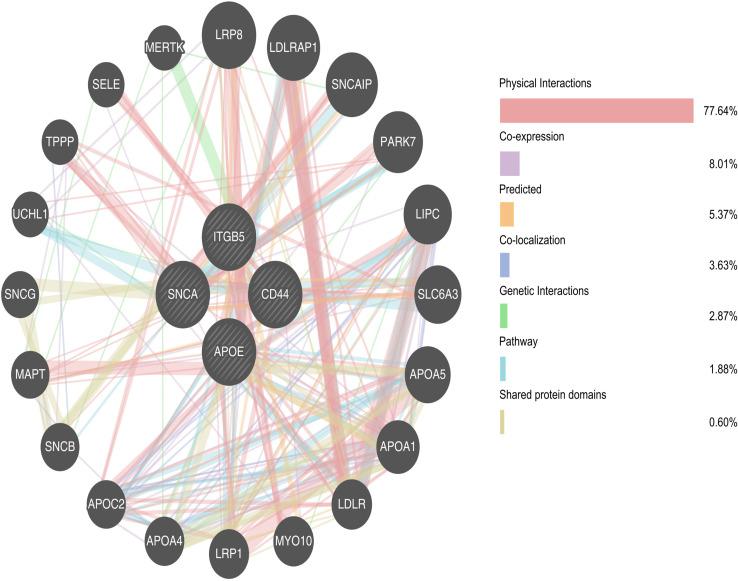
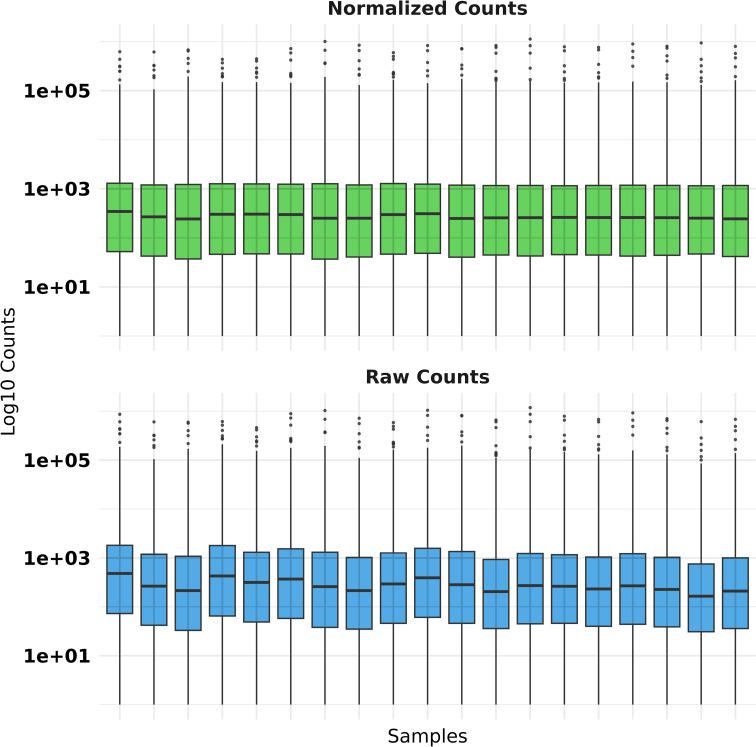
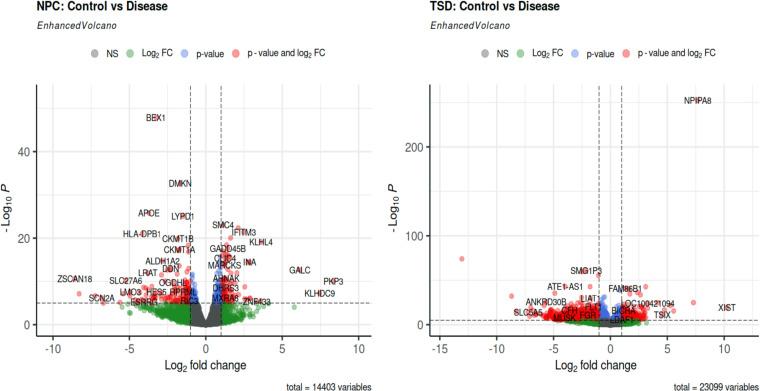
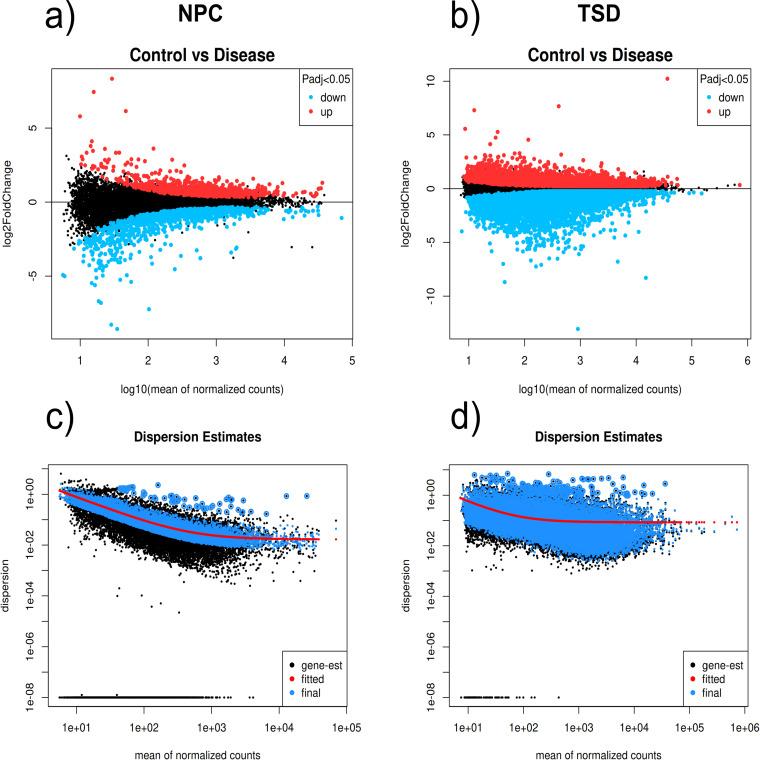
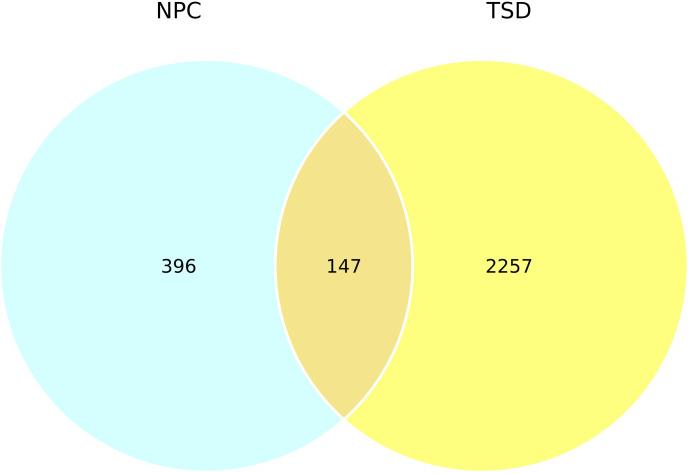
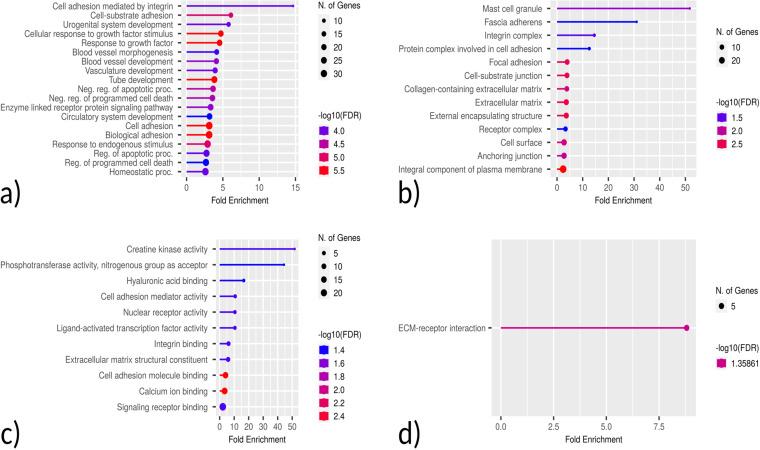
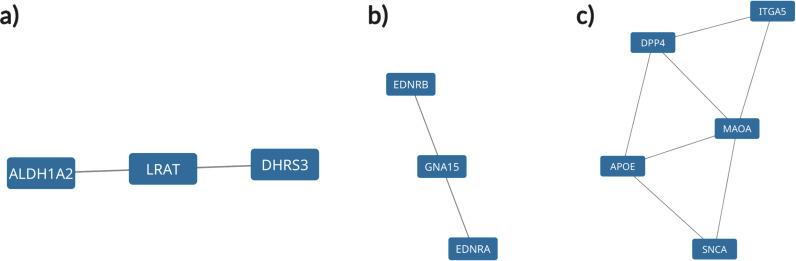
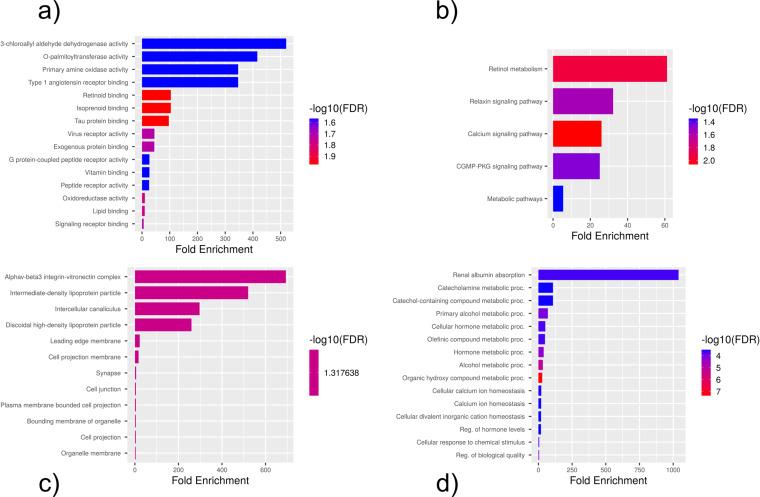
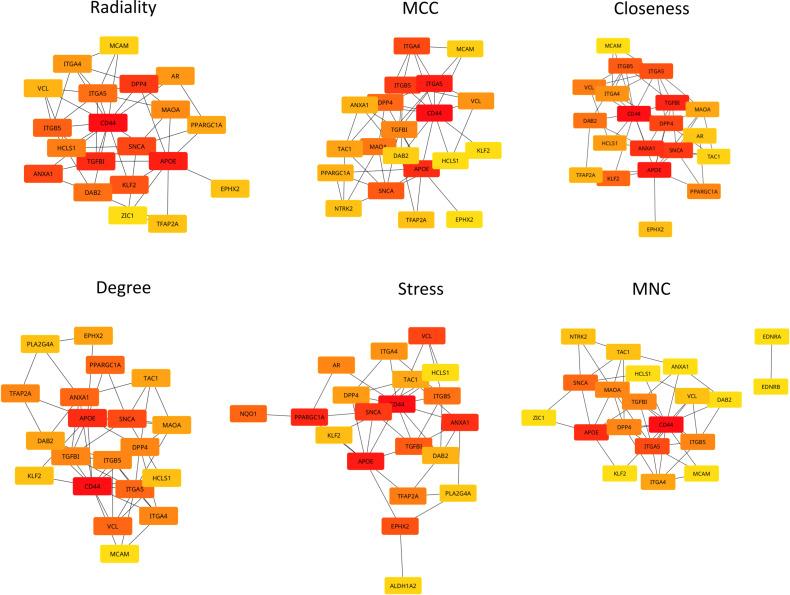
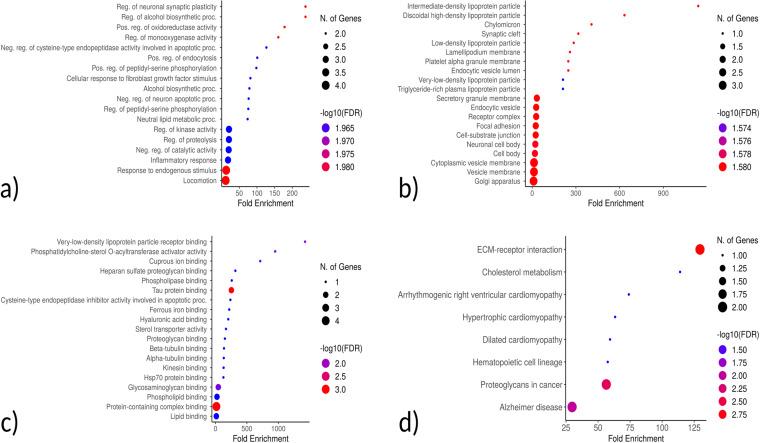
Lysosomal storage disorders (LSDs) are a group of rare genetic conditions characterized by the impaired function of enzymes responsible for lipid digestion. Among these LSDs, Tay-Sachs disease (TSD) and Niemann-Pick type C (NPC) may share a common gene expression profile. In this study, we conducted a bioinformatics analysis to explore the gene expression profile overlap between TSD and NPC. Analyses were performed on RNA-seq datasets for both TSD and NPC from the Gene Expression Omnibus (GEO) database. Datasets were subjected to differential gene expression analysis utilizing the DESeq2 package in the R programming language. A total of 147 differentially expressed genes (DEG) were found to be shared between the TSD and NPC datasets. Enrichment analysis was then performed on the DEGs. We found that the common DEGs are predominantly associated with processes such as cell adhesion mediated by integrin, cell-substrate adhesion, and urogenital system development. Furthermore, construction of protein-protein interaction (PPI) networks using the Cytoscape software led to the identification of four hub genes: APOE, CD44, SNCA, and ITGB5. Those hub genes not only can unravel the pathogenesis of related neurologic diseases with common impaired pathways, but also may pave the way towards targeted gene therapy of LSDs.In addition, they serve as the potential biomarkers for related neurodegenerative diseases warranting further investigations.
溶酶体贮积症(LSDs)是一组罕见的遗传疾病,其特征是负责脂质消化的酶功能受损。在这些溶酶体贮积症中,泰-萨克斯病(TSD)和尼曼-匹克C型病(NPC)可能具有共同的基因表达谱。在本研究中,我们进行了生物信息学分析,以探索TSD和NPC之间的基因表达谱重叠情况。对来自基因表达综合数据库(GEO)的TSD和NPC的RNA测序数据集进行了分析。利用R编程语言中的DESeq2软件包对数据集进行差异基因表达分析。在TSD和NPC数据集中共发现147个差异表达基因(DEG)。然后对这些差异表达基因进行了富集分析。我们发现,常见的差异表达基因主要与整合素介导的细胞黏附、细胞-基质黏附以及泌尿生殖系统发育等过程相关。此外,使用Cytoscape软件构建蛋白质-蛋白质相互作用(PPI)网络,确定了四个核心基因:载脂蛋白E(APOE)、CD44、α-突触核蛋白(SNCA)和整合素β5(ITGB5)。这些核心基因不仅可以揭示具有共同受损途径的相关神经疾病的发病机制,还可能为溶酶体贮积症的靶向基因治疗铺平道路。此外,它们作为相关神经退行性疾病的潜在生物标志物,值得进一步研究。


 Zotero 插件