
脑肿瘤与诱导多能干细胞技术:文献系统综述
Brain tumors and induced pluripotent stem cell technology: a systematic review of the literature.
作者信息
Shayestehfar Monir, Taherkhani Tina, Jahandideh Pardis, Hamidieh Amir A, Faramarzpour Mahsa, Memari Amirhossein
机构信息
Neuroscience Institute, Tehran University of Medical Sciences, Tehran, Iran.
Pediatric Cell and Gene Therapy Research Centre, Gene, Cell & Tissue Research Institute, Tehran University of Medical Science, Tehran, Iran.
出版信息
Ann Med Surg (Lond). 2025 Jan 9;87(1):250-264. doi: 10.1097/MS9.0000000000002760. eCollection 2025 Jan.
BACKGROUND
Induced pluripotent stem cells (iPSCs) provide a novel approach to studying the pathophysiology of brain tumors and assessing various therapeutic techniques with greater precision. This study aims to systematically review the existing literature to critically analyze and synthesize current research findings. The objective is to evaluate the role of iPSCs in understanding brain tumors and in the development of innovative treatment strategies.
METHODS
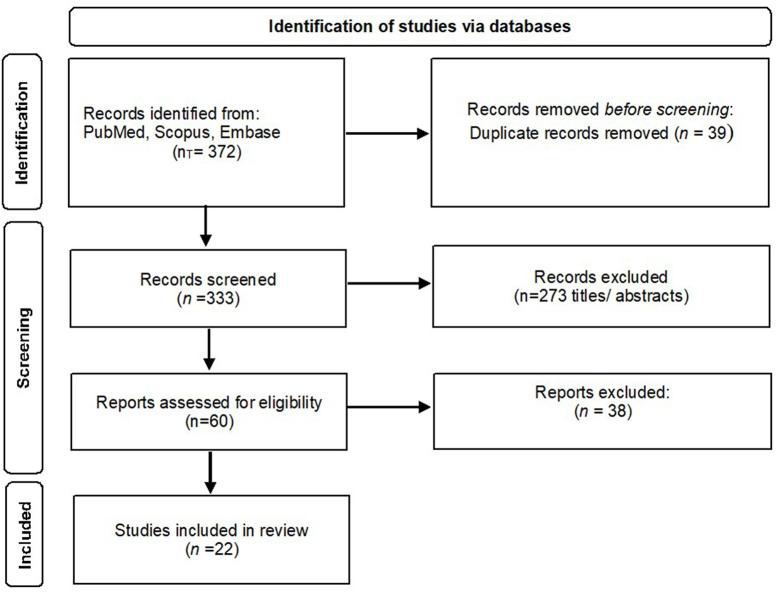
We systematically reviewed existing articles that utilized iPSC technology to assess either the pathophysiology of brain tumors or therapeutic techniques, following the standards of Preferred Reporting Items for Systematic review and Meta-Analysis guidelines. Key terms were comprehensively searched in electronic databases, including PubMed, EMBASE, and Scopus. Articles were screened based on specific inclusion and exclusion criteria. Ultimately, 22 relevant articles were chosen, and their data were extracted.
RESULTS
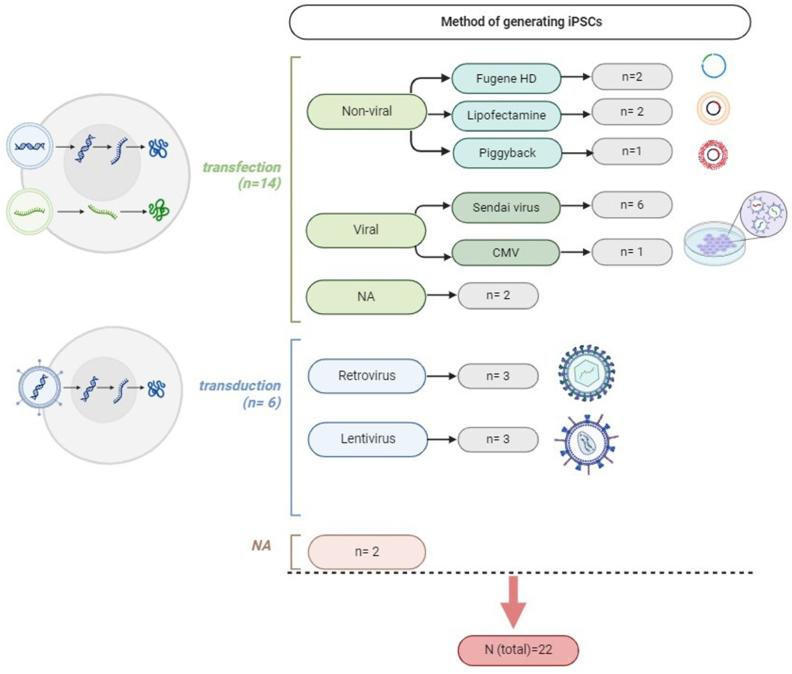
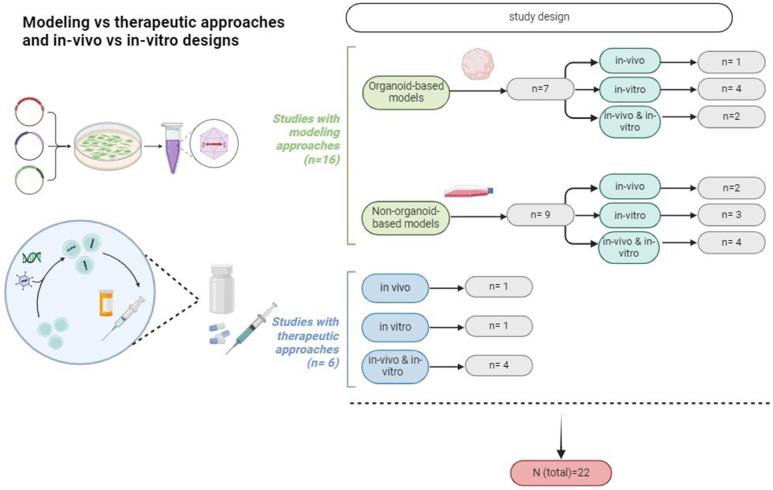
The summary of findings for each selected article was organized into two general categories: "Methods of Generating iPSCs" and "Applications of iPSCs." The methods of iPSC generation, including transfection and transduction, as well as the types of viral or non-viral vectors used, were extracted and reported for each study. Additionally, the main aims of the selected studies, whether modeling or therapeutic approaches, were gathered and reported in the results section.
CONCLUSION
iPSC technology is a novel vehicle that brings new solutions to overcome difficulties in brain tumor studies. In vivo and in vitro models generated from iPSCs provide suitable platforms to investigate the pathophysiology of brain tumors more precisely. Also, iPSCs have been utilized in various studies to examine how different antitumor agents may affect the target cells.
背景
诱导多能干细胞(iPSC)为研究脑肿瘤的病理生理学以及更精确地评估各种治疗技术提供了一种新方法。本研究旨在系统回顾现有文献,对当前研究结果进行批判性分析和综合。目的是评估iPSC在理解脑肿瘤以及开发创新治疗策略中的作用。
方法
我们按照系统评价和荟萃分析的首选报告项目标准,系统回顾了利用iPSC技术评估脑肿瘤病理生理学或治疗技术的现有文章。在包括PubMed、EMBASE和Scopus在内的电子数据库中全面搜索关键词。根据特定的纳入和排除标准筛选文章。最终,选择了22篇相关文章,并提取了它们的数据。
结果
每篇所选文章的研究结果总结分为两大类:“iPSC的生成方法”和“iPSC的应用”。提取并报告了每项研究中iPSC的生成方法,包括转染和转导,以及所使用的病毒或非病毒载体类型。此外,所选研究的主要目的,无论是建模还是治疗方法,都在结果部分进行了汇总和报告。
结论
iPSC技术是一种新型工具,为克服脑肿瘤研究中的困难带来了新的解决方案。由iPSC生成的体内和体外模型为更精确地研究脑肿瘤的病理生理学提供了合适的平台。此外,iPSC已在各种研究中用于研究不同的抗肿瘤药物如何影响靶细胞。

 Zotero 插件