
酒精及酒精中毒相关神经障碍:全球视角下的最新进展及近期建议
Alcohol and alcoholism associated neurological disorders: Current updates in a global perspective and recent recommendations.
作者信息
Sahu Prashanti, Verma Henu Kumar, Bhaskar Lvks
机构信息
Department of Zoology, GGU Bilaspur, Bilaspur 495009, Chhattīsgarh, India.
Department of Lung Health and Immunity, Helmholtz Zentrum Munich, Munich 85764, Bayren, Germany.
出版信息
World J Exp Med. 2025 Mar 20;15(1):100402. doi: 10.5493/wjem.v15.i1.100402.
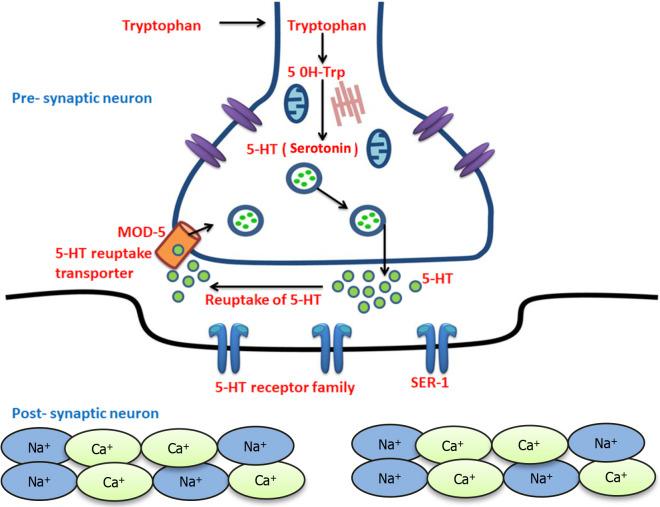
Alcohol use disorder (AUD) is a medical condition that impairs a person's ability to stop or manage their drinking in the face of negative social, occupational, or health consequences. AUD is defined by the National Institute on Alcohol Abuse and Alcoholism as a "severe problem". The central nervous system is the primary target of alcohol's adverse effects. It is crucial to identify various neurological disorders associated with AUD, including alcohol withdrawal syndrome, Wernicke-Korsakoff syndrome, Marchiafava-Bignami disease, dementia, and neuropathy. To gain a better understanding of the neurological environment of alcoholism and to shed light on the role of various neurotransmitters in the phenomenon of alcoholism. A comprehensive search of online databases, including PubMed, EMBASE, Web of Science, and Google Scholar, was conducted to identify relevant articles. Several neurotransmitters (dopamine, gamma-aminobutyric acid, serotonin, and glutamate) have been linked to alcoholism due to a brain imbalance. Alcoholism appears to be a complex genetic disorder, with variations in many genes influencing risk. Some of these genes have been identified, including two alcohol metabolism genes, and , which have the most potent known effects on the risk of alcoholism. Neuronal degeneration and demyelination in people with AUD may be caused by neuronal damage, nutrient deficiencies, and blood brain barrier dysfunction; however, the underlying mechanism is unknown. This review will provide a detailed overview of the neurobiology of alcohol addiction, followed by recent studies published in the genetics of alcohol addiction, molecular mechanism and detailed information on the various acute and chronic neurological manifestations of alcoholism for the Future research.
酒精使用障碍(AUD)是一种医学病症,会损害一个人在面对负面社会、职业或健康后果时停止或控制饮酒的能力。美国国家酒精滥用与酒精中毒研究所将AUD定义为一个“严重问题”。中枢神经系统是酒精不良影响的主要靶点。识别与AUD相关的各种神经障碍至关重要,包括酒精戒断综合征、韦尼克-科尔萨科夫综合征、马基亚法瓦-比尼亚米病、痴呆和神经病变。为了更好地了解酗酒的神经环境,并阐明各种神经递质在酗酒现象中的作用。对包括PubMed、EMBASE、科学网和谷歌学术在内的在线数据库进行了全面搜索,以确定相关文章。由于大脑失衡,几种神经递质(多巴胺、γ-氨基丁酸、血清素和谷氨酸)与酗酒有关。酗酒似乎是一种复杂的遗传疾病,许多基因的变异会影响患病风险。其中一些基因已被确定,包括两个酒精代谢基因,它们对酗酒风险有最显著的已知影响。AUD患者的神经元变性和脱髓鞘可能由神经元损伤、营养缺乏和血脑屏障功能障碍引起;然而,其潜在机制尚不清楚。本综述将详细概述酒精成瘾的神经生物学,随后介绍酒精成瘾遗传学、分子机制方面的最新研究,以及酗酒各种急性和慢性神经表现的详细信息,以供未来研究参考。


 Zotero 插件