
自噬与呼吸道病毒:机制、病毒利用及治疗见解
Autophagy and Respiratory Viruses: Mechanisms, Viral Exploitation, and Therapeutic Insights.
作者信息
Aligolighasemabadi Farnaz, Bakinowska Estera, Kiełbowski Kajetan, Sadeghdoust Mohammadamin, Coombs Kevin M, Mehrbod Parvaneh, Ghavami Saeid
机构信息
Division of BioMedical Sciences, Faculty of Medicine, Health Sciences Centre, Memorial University of Newfoundland, 300 Prince Phillip Dr., St. John's, NL A1B 3V6, Canada.
Department of Human Anatomy and Cell Science, University of Manitoba College of Medicine, Winnipeg, MB R3E 3P5, Canada.
出版信息
Cells. 2025 Mar 12;14(6):418. doi: 10.3390/cells14060418.
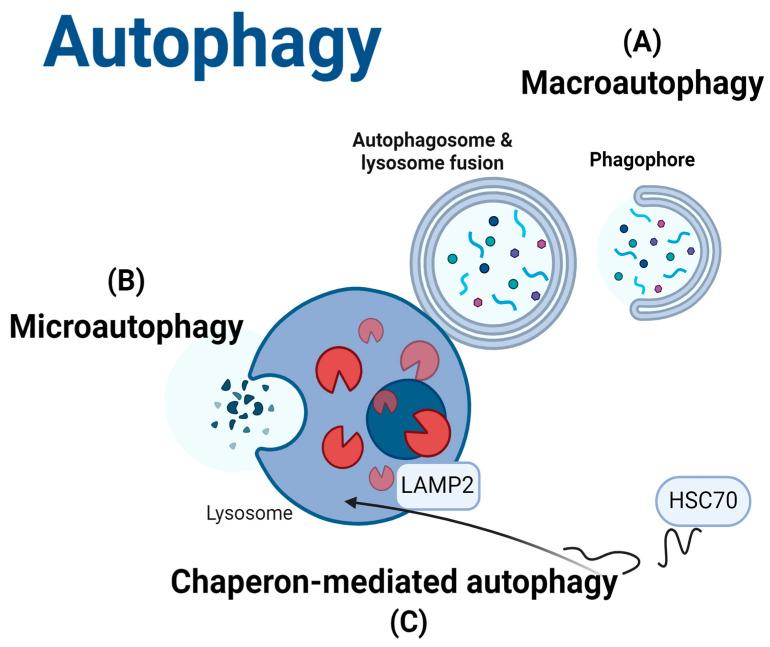
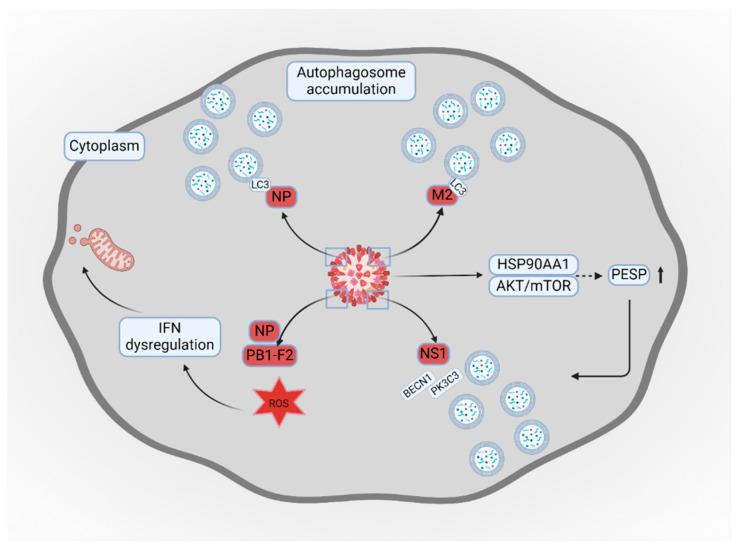
Respiratory viruses, such as influenza virus, rhinovirus, coronavirus, and respiratory syncytial virus (RSV), continue to impose a heavy global health burden. Despite existing vaccination programs, these infections remain leading causes of morbidity and mortality, especially among vulnerable populations like children, older adults, and immunocompromised individuals. However, the current therapeutic options for respiratory viral infections are often limited to supportive care, underscoring the need for novel treatment strategies. Autophagy, particularly macroautophagy, has emerged as a fundamental cellular process in the host response to respiratory viral infections. This process not only supports cellular homeostasis by degrading damaged organelles and pathogens but also enables xenophagy, which selectively targets viral particles for degradation and enhances cellular defense. However, viruses have evolved mechanisms to manipulate the autophagy pathways, using them to evade immune detection and promote viral replication. This review examines the dual role of autophagy in viral manipulation and host defense, focusing on the complex interplay between respiratory viruses and autophagy-related pathways. By elucidating these mechanisms, we aim to highlight the therapeutic potential of targeting autophagy to enhance antiviral responses, offering promising directions for the development of effective treatments against respiratory viral infections.
呼吸道病毒,如流感病毒、鼻病毒、冠状病毒和呼吸道合胞病毒(RSV),继续给全球健康带来沉重负担。尽管有现有的疫苗接种计划,但这些感染仍然是发病和死亡的主要原因,尤其是在儿童、老年人和免疫功能低下人群等弱势群体中。然而,目前针对呼吸道病毒感染的治疗选择往往仅限于支持性护理,这凸显了新型治疗策略的必要性。自噬,特别是巨自噬,已成为宿主对呼吸道病毒感染反应中的一个基本细胞过程。这个过程不仅通过降解受损细胞器和病原体来维持细胞稳态,还能实现异体吞噬,即选择性地靶向病毒颗粒进行降解并增强细胞防御。然而,病毒已经进化出操纵自噬途径的机制,利用这些途径逃避免疫检测并促进病毒复制。本综述探讨了自噬在病毒操纵和宿主防御中的双重作用,重点关注呼吸道病毒与自噬相关途径之间的复杂相互作用。通过阐明这些机制,我们旨在突出靶向自噬以增强抗病毒反应的治疗潜力,为开发针对呼吸道病毒感染的有效治疗方法提供有前景的方向。



 Zotero 插件