
始发态多能干细胞状态的调控架构
The regulatory architecture of the primed pluripotent cell state.
作者信息
Li Bo I, Alvarez Mariano J, Zhao Hui, Chirathivat Napon, Califano Andrea, Shen Michael M
机构信息
Department of Medicine, New York, NY, USA.
Systems Biology, New York, NY, USA.
出版信息
Nat Commun. 2025 Apr 9;16(1):3351. doi: 10.1038/s41467-025-57894-4.
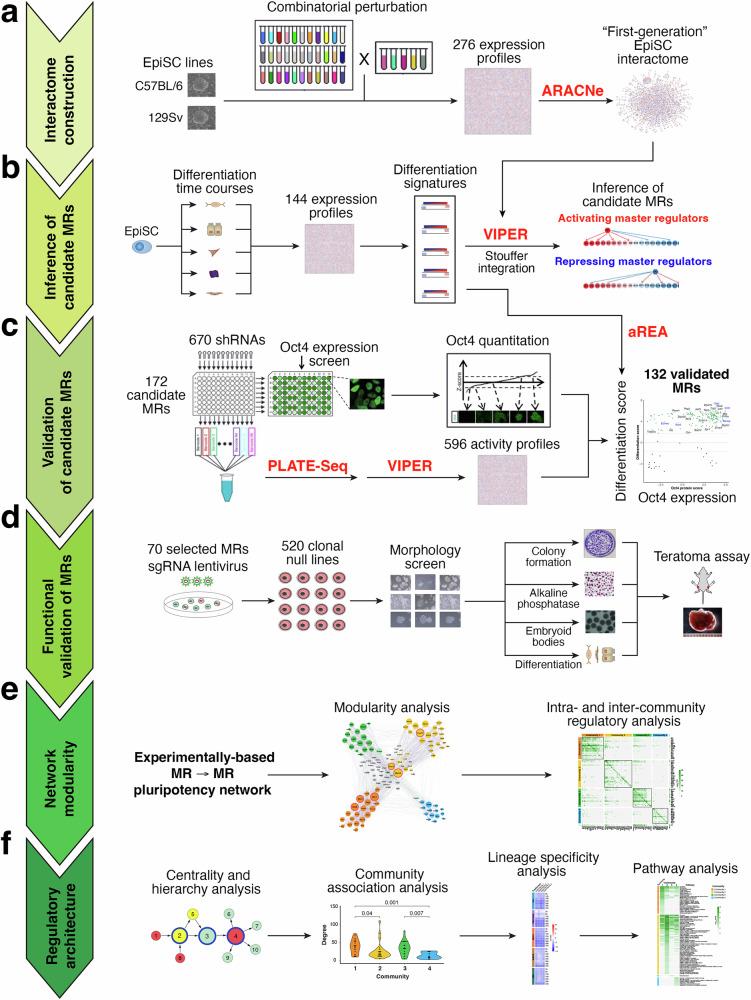
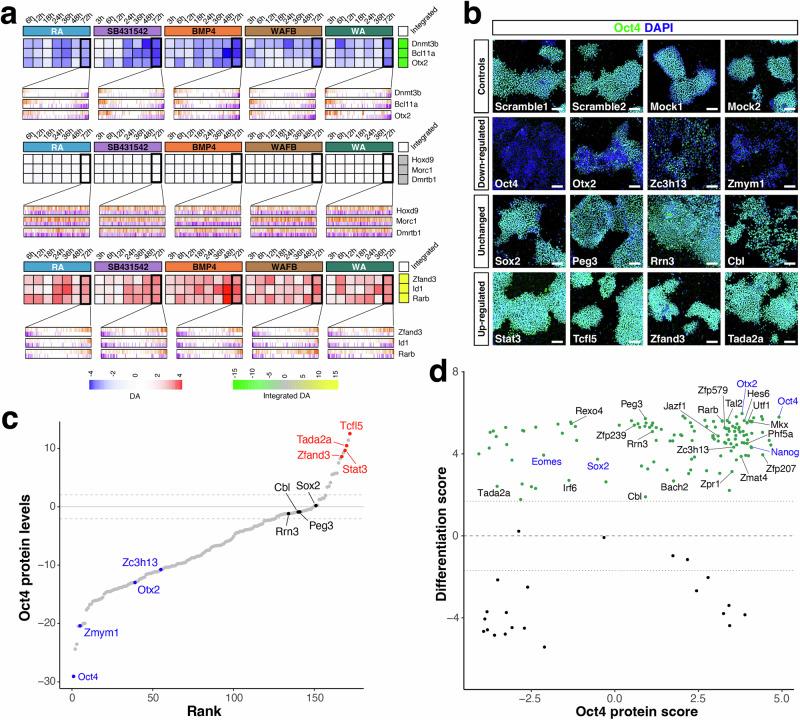
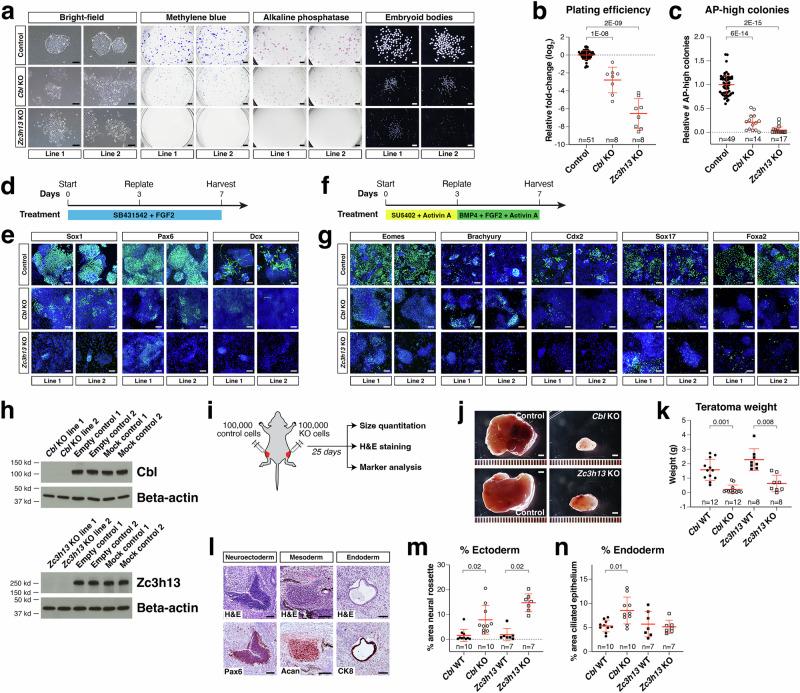
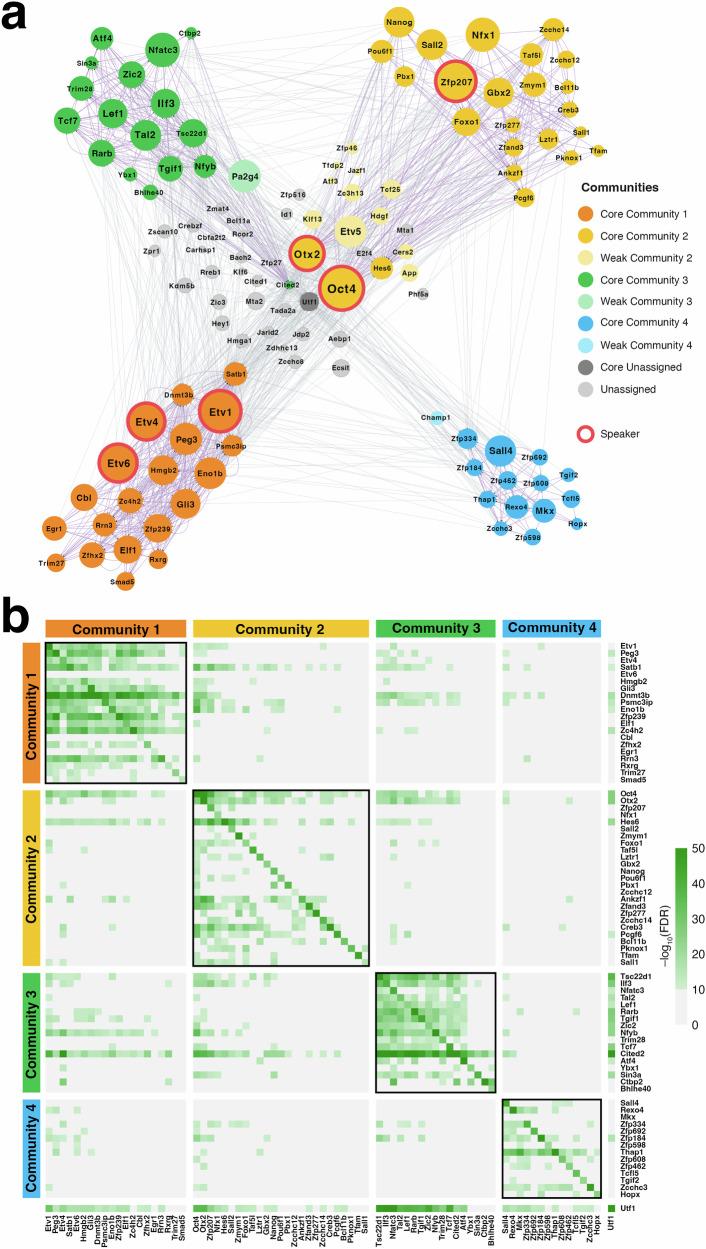
Despite extensive research, the gene regulatory architecture governing mammalian cell states remains poorly understood. Here we present an integrative systems biology approach to elucidate the network architecture of primed state pluripotency. Using an unbiased methodology, we identified and experimentally confirmed 132 transcription factors as master regulators (MRs) of mouse epiblast stem cell (EpiSC) pluripotency, many of which were further validated by CRISPR-mediated functional assays. To assemble a comprehensive regulatory network, we silenced each of the 132 MRs to assess their effects on the other MRs and their transcriptional targets, yielding a network of 1273 MR → MR interactions. Network architecture analyses revealed four functionally distinct MR modules (communities), and identified key Speaker and Mediator MRs based on their hierarchical rank and centrality. Our findings elucidate the de-centralized logic of a "communal interaction" model in which the balanced activities of four MR communities maintain primed state pluripotency.
尽管进行了广泛的研究,但控制哺乳动物细胞状态的基因调控结构仍知之甚少。在此,我们提出一种综合系统生物学方法来阐明启动态多能性的网络结构。使用一种无偏向性的方法,我们鉴定并通过实验证实了132个转录因子作为小鼠上胚层干细胞(EpiSC)多能性的主调控因子(MRs),其中许多通过CRISPR介导的功能测定进一步得到验证。为了构建一个全面的调控网络,我们使132个MRs中的每一个沉默,以评估它们对其他MRs及其转录靶点的影响,产生了一个由1273个MR → MR相互作用组成的网络。网络结构分析揭示了四个功能不同的MR模块(群落),并根据其层次排名和中心性确定了关键的发言者和介导者MRs。我们的研究结果阐明了“群落相互作用”模型的分散逻辑,其中四个MR群落的平衡活动维持启动态多能性。

 Zotero 插件